Category: Product Management
-

From Business Analyst to Product Manager: The Career Transition Playbook
Most business analysts feel it before they can name it. Fewer requirements docs get requested. Automation quietly absorbs the reporting work that used to fill a Tuesday. The role hasn’t disappeared, but it feels smaller than it did three years ago, and the growth path from here is not obvious. Product management is not a…
-

15 Best Product Management Software for Roadmaps, Backlogs & Collaboration
Most product teams don’t fail because of a bad roadmap. They fail because the roadmap lives in one tool, the backlog lives in another, and the conversation about priorities happens in Slack threads nobody can find three weeks later. By the time engineering starts a sprint, half the context is gone. That gap between strategy…
-
10 Best Product Planning Software Tools for Product Teams in 2026
Your engineering team just shipped a feature nobody asked for. Meanwhile, three customer requests worth real revenue are sitting in a Slack thread from six weeks ago that nobody revisited. This isn’t a discipline problem. It’s a tooling problem. When roadmaps live across spreadsheets, decks, and a dozen open browser tabs, priorities drift. Someone finds…
-
15 Best Product Roadmap Software Tools for Product Managers
Most product roadmaps still die in a slide deck. Someone builds it in PowerPoint, presents it once, and by the time engineering ships the third feature on it, nobody remembers where the file lives. Stakeholders ask for updates. The PM opens the deck, edits twenty boxes by hand, and re-sends it. That cycle repeats every…
-
How to Run Product Discovery: A Step-by-Step Process
Most product discovery still happens the old way: a research phase at the start of a project, a round of interviews, a handoff to design, then nothing. The team ships, moves to the next project, and doesn’t talk to a customer again until something breaks. The problem with this model isn’t the research itself, it’s…
-
Product Manager Interview Questions: What Actually Gets Asked in 2026
A staffing firm co-founder recently described a call that captures exactly what’s changed in PM interviews this year. A VP of Product candidate, four years at Stripe, two years at a foundation-model lab, turned down an offer after a grueling search, not because the compensation was wrong, but because the interview loop felt built for…
-
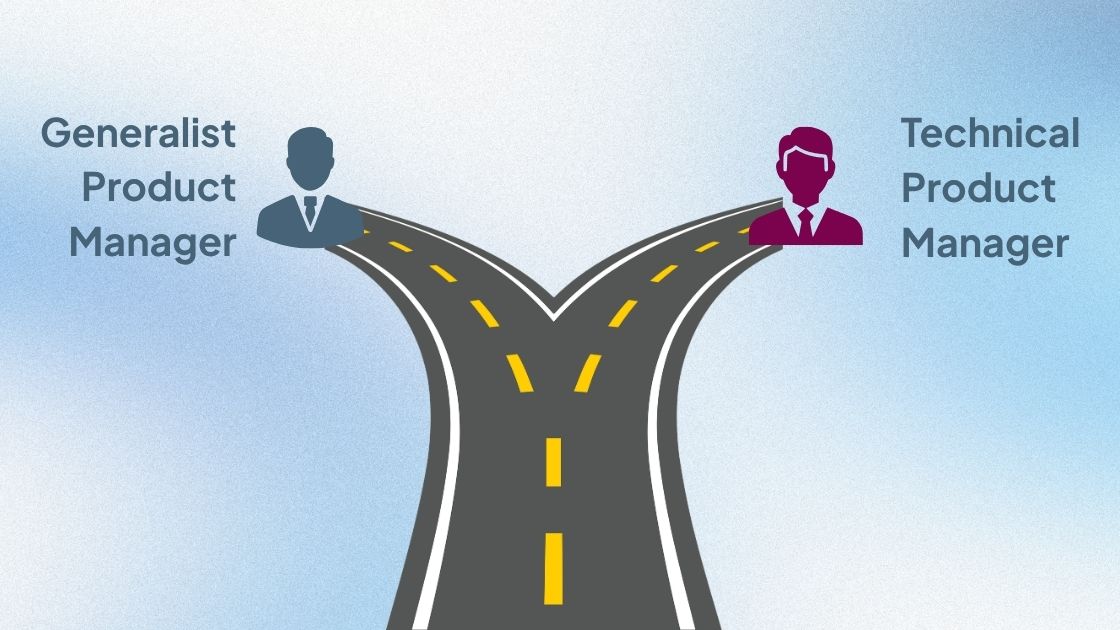
Technical Product Manager vs Generalist Product Manager: Which Path Should You Choose
Here’s an assumption worth challenging directly: that “technical product manager” is simply a more advanced, more serious version of “product manager,” and that generalist PM is what you do until you’re ready for the real thing. That framing is wrong, and believing it leads people to chase the technical PM title for status reasons rather…
-
How to Become a Product Manager Without a Technical Background
Here’s the question worth asking before any other: not “can I overcome my non-technical background to become a PM,” but “how do I convert what I already have into real product judgment.” That reframe matters, because most product managers today don’t write code and never will. The job sits at the intersection of business, user…
-
Product Manager vs Product Owner: What’s the Actually Difference
Two titles, both sounding like they mean roughly the same thing, both showing up on job boards for roles that overlap just enough to confuse everyone involved. Product manager and product owner get treated as interchangeable at some companies and as entirely separate careers at others, and neither camp is fully wrong. The confusion isn’t…
-
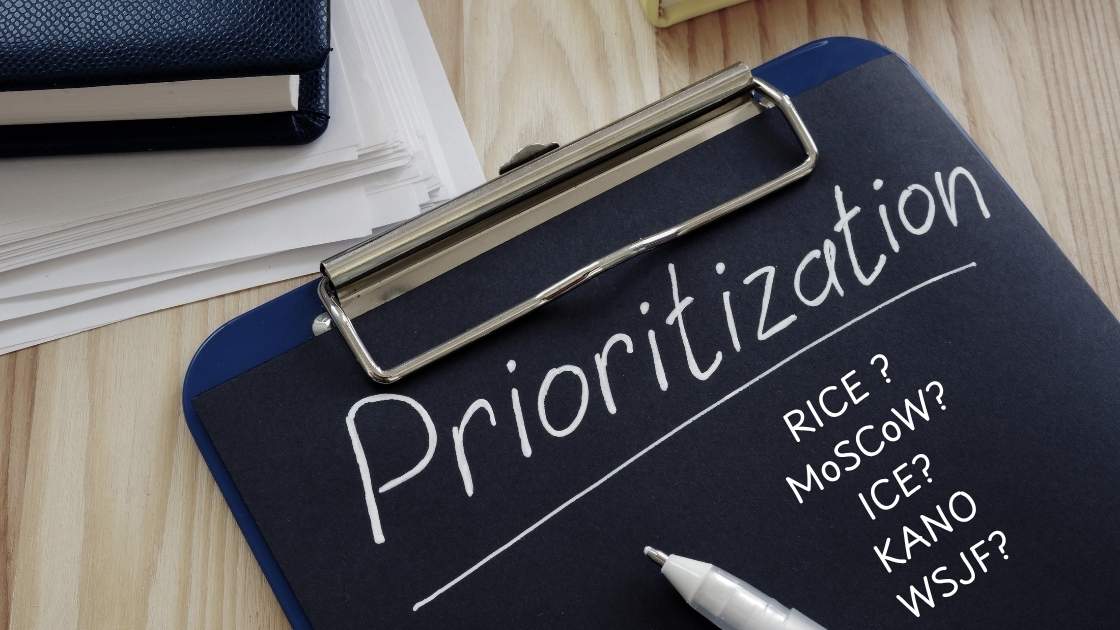
Product Prioritization Frameworks Every PM Should Know: RICE, MoSCoW, and When to Use Which
“Prioritize based on value and effort” sounds like a framework. It isn’t. It’s a vague instinct dressed up as a process, and it falls apart the moment two people in the room disagree about what “value” actually means for a given feature. A real product prioritization framework replaces that kind of gut-feel debate with a…