
This piece looks at native advertising examples, the way they actually show up out there; not the polished case studies, but the ones people scroll past… or stop for without really thinking why. Some of them just fit. Others try a bit too hard, and you can feel it almost immediately.
The blog moves through a mix of formats and familiar campaigns, but the real focus is on what’s happening underneath. Why does something click on one platform and feel off on another? It’s rarely one big reason. Usually small things; tone, placement, timing, even how the headline reads.
There’s also a bit of a shift happening. Nothing dramatic, but enough that older approaches don’t land the same way anymore.
Table of Contents
What Is Native Advertising?
Native advertising meaning in digital marketing
Native advertising sounds simple on paper. In practice… It’s where things get messy.
At its core, it’s paid content that blends into the platform it appears on. Not just in terms of design, but in how it reads, how it flows, how it feels alongside everything else.
And that “feels” part is where most of the difference comes from.
Because people don’t really analyze ads anymore, they react to them. Instantly. If something looks even slightly out of place, it gets skipped. No second thought.
Native ads work by softening that reaction. Sometimes, delaying it. Sometimes, avoiding it altogether.
They don’t pretend to be something else. They just don’t interrupt.
How native ads differ from display ads and sponsored ads
This is where things tend to blur a bit.
Display ads are obvious. Banners, pop-ups, sidebars; the kind of placements that sit outside the main content and try to pull attention away. That used to be enough. Now, most people barely register them.
Native ads take the opposite approach. They sit inside the content stream. Same format, same structure. You don’t shift your attention to see them; they’re already in front of you.
Sponsored content is where it gets tricky. Some of it works like native. Some of it doesn’t.
If it reads like a brand trying too hard to sound editorial, it usually shows. If it genuinely matches the platform and gives something useful, it blends in much better.
It’s a small difference on the surface. But in performance, it’s not small at all.
Why native advertising works
People haven’t lost attention. They’ve just become stricter about where they spend it.
Feeds are tighter now. Recommendations feel more intentional. There’s less patience for anything that breaks the flow.
That’s where native advertising quietly does well.
- It shows up where attention already exists
- It doesn’t force a shift in behavior
- It gives something before asking for anything back
There’s also this subtle move toward content that feels… aware. Not overly personalized, just relevant enough not to feel random.
Native ads fit into that pretty naturally. They don’t fight for attention. They meet it where it already is.
Native advertising vs content marketing (key differences)
This one gets mixed up a lot. And it’s easy to see why.
Both can look almost identical; same formats, similar tone, even similar storytelling.
The difference isn’t really in how they look. It’s in where they live and how they’re used.
Content marketing sits on owned platforms. Blogs, websites, brand pages. It builds over time. Slow, steady, consistent.
Native advertising works differently. It places content into spaces that already have attention. You’re stepping into someone else’s audience instead of building your own from scratch.
A simple way to look at it:
Content marketing builds the base.
Native advertising extends the reach.
They’re not separate strategies. Most of the time, they work better together than apart.
Why Native Advertising Examples Matter for Marketers
Learning from real native ad campaigns
There’s only so much you can learn from definitions and frameworks.
At some point, you need to see how things actually play out. Real campaigns, real placements, real execution. That’s where things start to click.
Because native advertising isn’t just a concept; it’s a series of small decisions. Tone, placement, visuals, timing. And those decisions are easier to understand when you see them in action.
Patterns show up pretty quickly when you look at enough examples. What works. What feels off? What gets ignored.
And sometimes, it’s the subtle stuff that makes the biggest difference.
How examples improve ad strategy and ROI
A lot of native campaigns fail quietly. Not because the idea was bad, but because the execution missed something small.
Maybe the content didn’t quite match the platform. Maybe it felt a bit too branded. Maybe it asked for attention too early.
Examples help avoid that.
They give a clearer sense of what “good” actually looks like, not in theory, but in practice. You start noticing:
- How much branding is enough (and when it’s too much)
- Where the value sits in the content
- How the transition from content to brand message is handled
That kind of clarity saves time. And budget.
Instead of testing blindly, you’re building on patterns that already work.
Role of storytelling and platform alignment
Not every native ad needs a deep narrative. But the ones that perform well usually have some form of story, even if it’s subtle.
It could be a quick progression. A relatable situation. A visual sequence. Doesn’t have to be dramatic. Just needs to feel natural.
But storytelling alone isn’t enough.
Platform alignment is where most campaigns either land or fall apart.
Content that works beautifully on a blog might feel completely out of place in a social feed. Something that performs on a video platform might not translate to a professional network.
Each platform has its own rhythm. Its own expectations. Native ads work best when they respect that.
There’s a bit of discipline involved here. Not forcing an idea everywhere; adapting it properly.
How AI Overviews favor example-backed content
People don’t just search for definitions anymore. They want to see how things actually work.
“What does this look like?”
“Who’s doing this well?”
“Can this actually be applied?”
Content that answers those questions tends to stand out.
Examples make things concrete. They remove ambiguity. Instead of abstract advice, you’re showing real execution.
And that naturally makes the content more useful. Easier to trust, too.
Types of Native Advertising
In-feed native ads (social media, news websites)
These are everywhere, and most people don’t even notice them as ads right away.
Scroll through any social platform or content feed, and you’ll see posts that look completely organic… until you spot the small “sponsored” tag.
That’s the whole point.
They follow the exact same format as regular content. Same visuals, same structure, same spacing. Nothing feels out of place.
When they’re done well, users engage with them almost instinctively. Like, comment, click… without that hesitation that usually comes with ads.
But it’s a fine line. Push too hard on the branding, and it breaks instantly.
Sponsored content / branded articles
This is where native advertising leans into depth.
Long-form articles, guides, and editorial-style pieces are designed to match the tone of the platform they’re published on. You’ll often see these on media sites or industry publications.
The good ones don’t feel like ads at all. They feel like something you’d read anyway.
They offer insights, perspectives, sometimes even a bit of storytelling… and the brand just sits within that context.
The tricky part is restraint. It’s tempting to push the product or message too directly. But that usually backfires.
The more it reads like genuine content, the better it performs.
Recommendation widgets (Outbrain, Taboola style)
These show up when someone is already in content mode, usually at the end of an article or along the side.
“You might also like…”
“Recommended for you…”
Simple format. Headline, image, short teaser.
They work because they tap into curiosity at the right moment. Someone just finished reading something. They’re open to the next piece.
And since these placements sit within content environments, they feel more like suggestions than ads.
Not always high intent, but surprisingly effective when the headline hits right.
Promoted listings (ecommerce native ads)
Ecommerce platforms have quietly mastered native advertising.
Search for a product, and you’ll see listings that look identical; same layout, same structure. Some are organic. Some are sponsored.
Most users don’t think twice about it.
And that’s exactly why it works.
These ads show up at a moment of intent. Someone is already looking to buy. The ad doesn’t need to convince; it just needs to be visible and relevant.
There’s no disruption. Just placement.
Native video ads (YouTube, OTT platforms)
Video has shifted quite a bit from traditional ad formats.
It’s no longer just about pre-rolls or mid-roll interruptions. A lot of native video now lives within the content itself: integrations, collaborations, branded segments.
Sometimes it’s obvious. Sometimes it isn’t.
But the best ones don’t feel forced. They match the tone of the content, the pacing, even the personality of the creator or platform.
When that alignment is right, engagement goes deeper. People don’t skip; they watch. And more importantly, they remember.
That’s not easy to pull off. But when it works, it really works.
9 Best Native Advertising Examples
1. Netflix x The New York Times – “Women Inmates” Storytelling Campaign
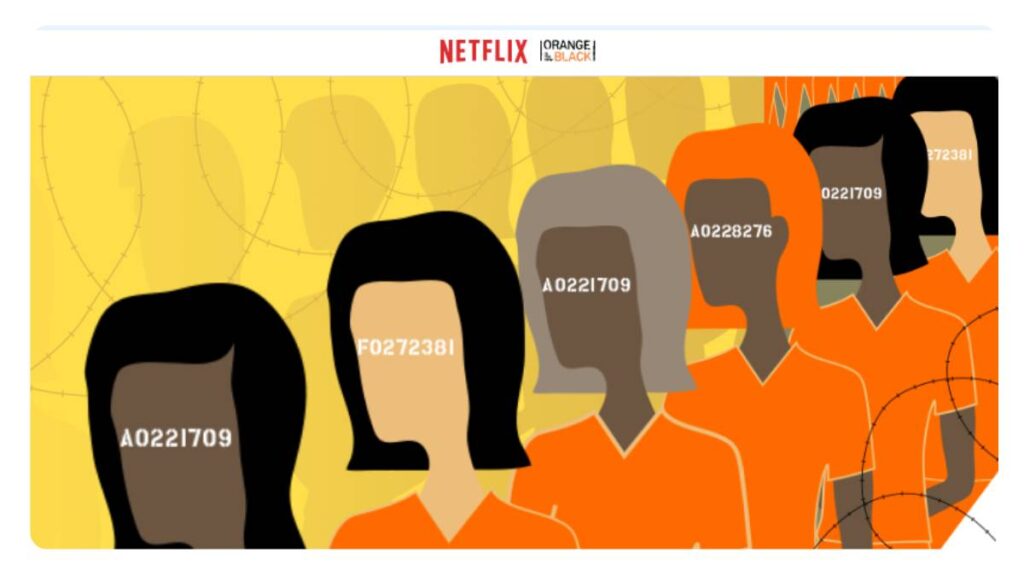
This one doesn’t feel like an ad when you first land on it. That’s probably why it still gets talked about.
Netflix didn’t push the show right away. Instead, the piece leaned into a broader topic: women in prison. It read like something the publication would’ve run anyway. Detailed, a bit heavy, actually worth spending time on.
The connection to Orange Is the New Black comes in later. Subtle. Almost secondary.
Format: Long-form sponsored article
Why it worked: It respected the reader. Didn’t rush the brand message. Let the content carry the weight.
Key takeaway: If it feels like content first and promotion second, people stick around longer. Simple as that.
2. Spotify Wrapped – Personalized Native Experience
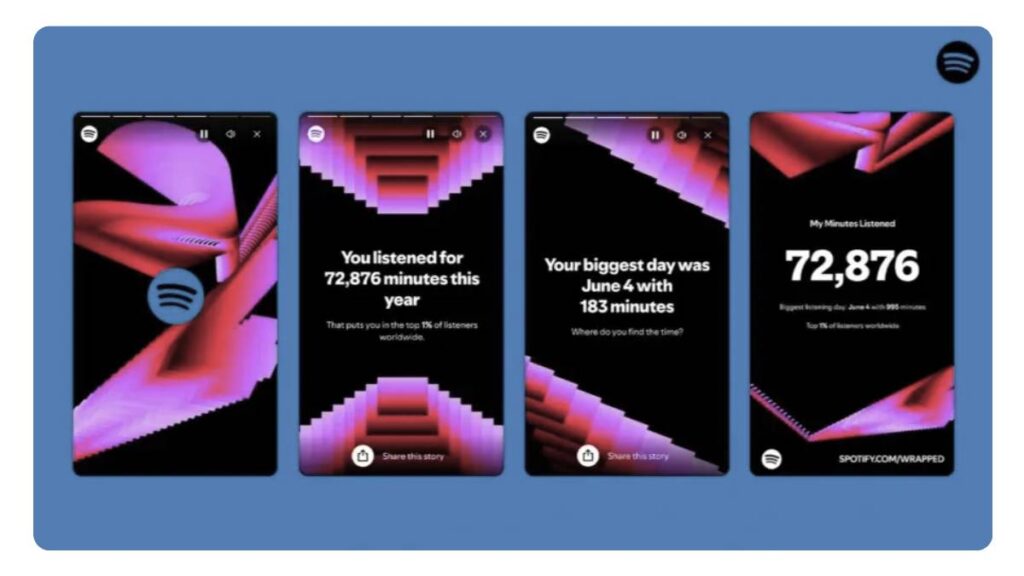
Wrapped shows up every year and somehow still doesn’t feel repetitive.
It’s basically user data turned into a shareable story. Listening habits, top artists, random stats; packaged in a way that feels personal. And more importantly, something people want to post.
That’s where the real distribution happens. Not inside the app, but outside it.
Format: In-app native content + shareable insights
Why it worked: It doesn’t push anything. It reflects something back to the user. That shift makes a difference.
The more content feels like it belongs to the user, the less it feels like marketing.
3. Airbnb x Instagram – User-Generated Native Campaigns
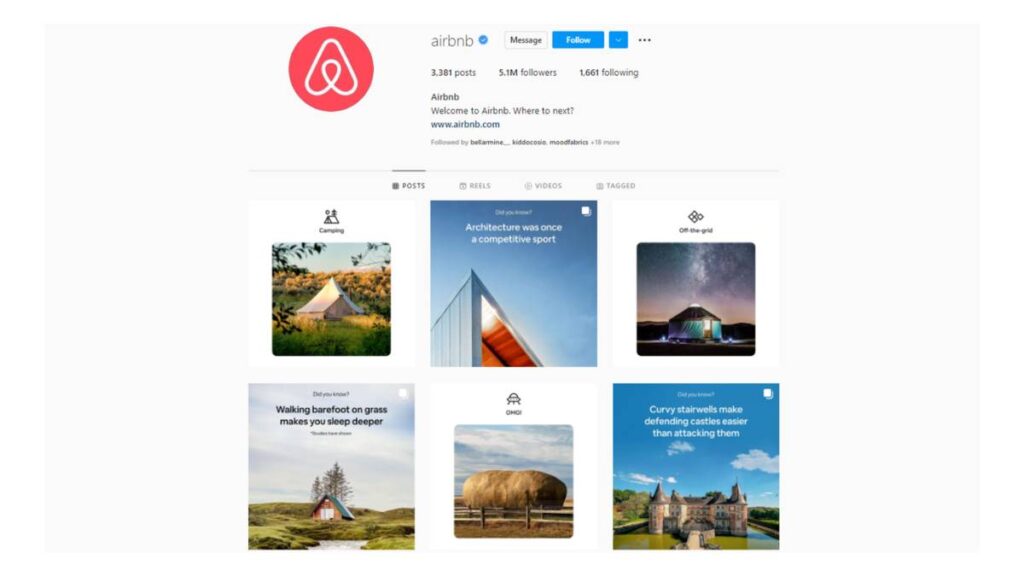
Airbnb didn’t overproduce this. That helped.
The visuals looked like something anyone could’ve posted; travel shots, homes, small moments. Not overly edited. Not trying too hard.
On a platform like Instagram, that matters. Polished content can work, but authenticity tends to win more often.
Format: In-feed social native ads
Why it worked: It matched how people already post and scroll. No friction.
Insight: When content blends into behavior, engagement feels almost automatic.
4. Apple Shot on iPhone – Native Visual Advertising
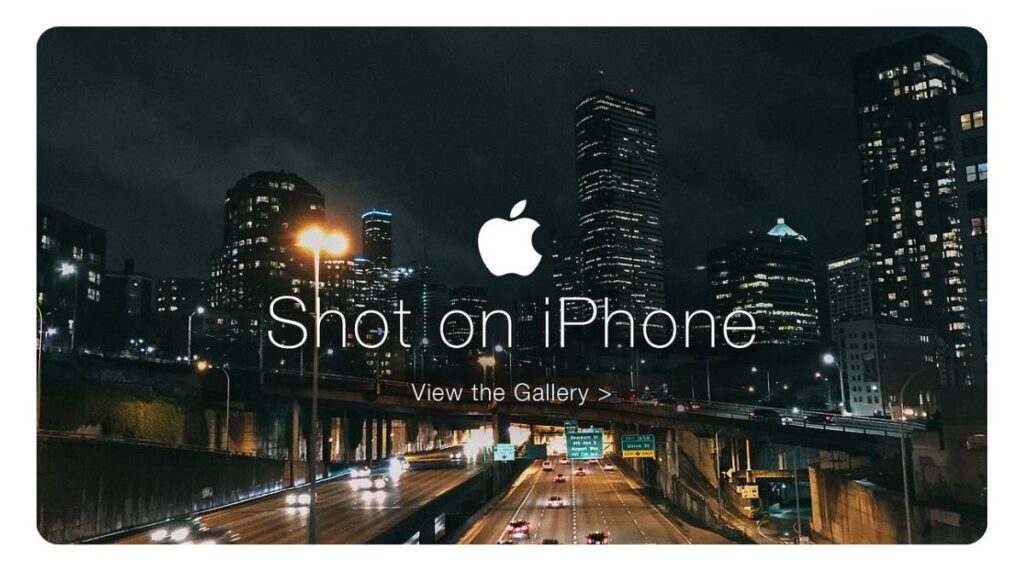
No heavy copy. No big explanations. Just visuals.
Photos taken on iPhones, displayed across different platforms: billboards, feeds, digital placements. Sometimes you barely notice the branding at first glance.
But you get the message anyway.
Format: Native image campaigns across platforms
Why it worked: It showed the result instead of talking about it. That lands better.
Insight: Demonstration beats explanation. Especially when the product is visual.
5. Amazon Sponsored Products – E-commerce Native Ads
These are easy to miss. Which is kind of the point.
Search for anything, and the results look uniform. Some listings are sponsored, some aren’t, but visually, there’s almost no difference.
And at that moment, users aren’t questioning placement. They’re comparing options.
Format: Promoted listings inside search results
Why it works: Timing. The user already has intent. The ad just fits into that process.
Insight: Native ads don’t always need creativity; sometimes placement does the job.
6. BuzzFeed x Tasty – Branded Native Content
Tasty content is built for quick consumption. Fast, visual, easy to follow.
Brands that show up in that format don’t interrupt it; they become part of it. A product appears in a recipe, or a step, or a quick tip. Nothing feels forced.
It’s subtle, but effective.
Format: Sponsored recipes and videos
Why it worked: The content still delivers what people came for. The brand just sits within it.
Insight: If the content works on its own, the brand doesn’t need to push.
7. Google Discovery Ads – AI-Powered Native Ads
These ads don’t feel like ads in the traditional sense. They show up in feeds: Discover, Gmail, and YouTube, where people are already browsing.
Visually consistent. Contextually placed. No hard shift in experience.
You scroll, and they’re just… there.
Format: Feed-based ads across the Google ecosystem
Why it works: It meets users in passive discovery mode, not interruption mode.
Discovery-based browsing keeps growing, and formats like this fit naturally into it.
8. Nike x YouTube – Native Video Storytelling
Nike rarely jumps straight into product talk. It builds something around it.
Stories, moments, athletes, culture; it all comes together in a way that feels bigger than the brand itself. The product is there, but it’s not the focus.
On YouTube, that approach works. People are there to watch, not to be sold to.
Format: Branded storytelling videos
Why it worked: It gave people something to watch, not something to skip.
Insight: If the content holds attention, the branding doesn’t need to fight for it.
9. LinkedIn Sponsored Content – B2B Native Advertising
B2B audiences are usually a bit more guarded. They don’t respond well to obvious promotion.
LinkedIn native ads tend to lean into insights: industry updates, perspectives, useful breakdowns. Stuff that feels relevant to work, not marketing.
The tone stays consistent with the platform. Slightly formal, but still readable.
Format: In-feed professional content
Why it works: It respects the mindset of the audience. Doesn’t push too hard.
Insight: In B2B, value tends to come before visibility.

Enroll Now: AI-Powered Performance Marketing Course
What Makes a Native Advertising Campaign Successful
Platform-content fit (the #1 ranking factor in native ads)
This is where most campaigns either work… or quietly fail.
Content has to feel like it belongs. Not just visually, but in tone, pacing, and even structure.
Something that works on a blog might feel out of place in a social feed. A video that performs well on one platform might fall flat somewhere else.
It’s not about forcing the same idea everywhere. It’s about adapting it properly.
Non-disruptive user experience
Native ads aren’t supposed to interrupt. That’s the whole idea.
But small things can break that: an overly aggressive headline, a visual that stands out too much, a call-to-action that comes too early.
Once it feels like an ad, the advantage is gone.
So the focus shifts. Less about grabbing attention, more about holding it without forcing it.
Storytelling vs selling approach
Most people aren’t looking to buy when they’re scrolling or reading. They’re just… consuming content.
So pushing a product too early usually doesn’t work.
A better approach is to build some level of interest first. Give context. Offer something useful or engaging. Let the brand come in naturally.
It takes a bit more patience, but the payoff is better.
Data-driven personalization and AI optimization
Relevance plays a bigger role now.
Not in an obvious way, but in how well the content lines up with what someone is already interested in. When that alignment is there, engagement feels easier.
When it’s not, even good content struggles.
So it’s less about targeting broadly, more about getting closer to the right context.
Clear but subtle brand integration
There’s always that balance.
Too subtle, and people don’t connect the content to the brand. Too obvious, and it feels like a promotion.
The middle ground is where things work best. The brand is visible, but it doesn’t take over the experience.
It sits within the content, not on top of it.
Native Advertising Best Practices
Create content that matches platform intent
Different platforms, different expectations.
People scroll quickly on social feeds. They spend more time on articles. They watch differently on video platforms.
Content needs to adjust to that. Not just in format, but in how quickly it delivers value.
Otherwise, it gets skipped.
Use AI tools for targeting and personalization
Better targeting helps, but it doesn’t fix weak content.
If the content doesn’t connect, no amount of precision will make it work. On the flip side, strong content tends to perform even with broader targeting.
So both matter, but content still carries most of the weight.
Focus on value-first content (education, entertainment)
There has to be a reason to engage.
Information, insight, entertainment; something that makes the content worth a few seconds of attention. Without that, it doesn’t matter how well it’s placed.
Native ads don’t get a free pass. They still have to earn it.
Optimize for engagement, not just clicks
Clicks can be misleading.
Someone clicks, lands, leaves. That counts, but it doesn’t say much about the actual impact.
Engagement tells a better story. Time spent. Interaction. Whether someone stayed long enough to absorb anything.
Those signals are harder to fake.
Blend seamlessly with organic content
This sounds simple, but it’s not.
Blending in takes attention to detail; visual style, tone, structure, and even timing. If any of those fall off, the ad stands out for the wrong reasons.
When everything aligns, though, the content just… fits.
And that’s when native advertising does what it’s supposed to do.
Common Native Advertising Mistakes to Avoid
Making ads too promotional
This one shows up more often than people admit.
A campaign starts with a good idea… then somewhere along the way, it turns into a brochure. Too many selling points. Too much urgency. Everything starts shouting at once.
And that’s usually where performance dips.
Native ads don’t need to push that hard. In fact, the harder they push, the faster people tune out. The better ones ease into the message. They give something first: an idea, a perspective, even just a moment of interest, before asking for anything back.
It’s a slower build. But it tends to stick.
Ignoring platform behavior
Every platform has its own unwritten rules. Not the official ones; the real ones.
How long do people pause? What they skip. What they actually engage with.
Miss that, and even a strong idea feels out of place.
A detailed, thoughtful piece dropped into a scroll-heavy feed? Most won’t even slow down.
A flashy, surface-level post on a platform where people expect depth? Feels empty.
There’s always a bit of adjustment needed. Tone, pacing, structure… small shifts, but they matter more than expected.
Poor disclosure (trust issues)
There’s a tendency to “hide it just a little.” Make it less obvious. Blend it more.
That usually backfires.
People aren’t against sponsored content. What they react to is the feeling of being misled. Even a slight sense of that, and the trust drops immediately.
Clear labeling doesn’t ruin the experience. If anything, it sets the tone right. The content can still do its job without trying to disguise itself completely.
Subtle is good. Sneaky isn’t.
Weak storytelling or low-value content
Sometimes everything around the content is right; the placement, the targeting, even the format.
But the content itself… doesn’t hold.
No clear idea. No real takeaway. Nothing that makes someone pause for even a second longer than usual.
That’s where native ads quietly fail.
Because, unlike disruptive ads, these don’t force attention. They depend on it being earned. If there’s no reason to stay, people just move on. No friction, no second thought.
And in most cases, they don’t come back.
Not measuring the right metrics
Clicks can be misleading. They look good in reports, but they don’t always reflect what actually happened.
A click doesn’t mean interest. Sometimes it’s just curiosity. Sometimes even accidental.
What matters more is what happens after.
- Did people stay?
- Did they scroll, read, or watch?
- Did they engage in any meaningful way?
Those signals are quieter. Not always as easy to track. But they tell a more accurate story.
Focusing only on top-level numbers tends to create false confidence. And that’s where bad decisions start creeping in.
Native Advertising vs Traditional Advertising
User experience differences
Traditional ads interrupt. That’s kind of their job.
They show up between content, before content, sometimes right in the middle of it. The goal is attention; immediate, direct.
Native ads take a softer approach. They sit inside the experience instead of breaking it.
Same feed. Same format. Nothing feels out of place at first glance.
That shift changes how people react. There’s less resistance. Less instinct to skip.
Not because the ad is better, but because it doesn’t feel like a disruption.
Performance and engagement comparison
Traditional ads still work, especially for reach. They can put a message in front of a lot of people, quickly.
But engagement… that’s where things usually taper off.
People have learned to ignore them. Almost automatically.
Native ads, when they’re done right, hold attention a bit longer. People read. Watch. Sometimes, even interact without realizing it’s sponsored at first.
That said, not all native ads perform well. Poor execution still gets ignored. The format helps, but it doesn’t fix weak content.
Cost vs ROI analysis
At a glance, native advertising can seem heavier on effort.
Content takes time. Placement can cost more. There’s more thinking involved upfront.
But ROI isn’t just about cost per click or impressions.
If the content builds familiarity, trust, or even a small level of interest, that tends to pay off over time. Not always instantly. But more steadily.
Traditional ads often give faster visibility. Native ads tend to build a stronger response.
Different pace. Different kind of return.
When to use native vs display ads
It’s rarely about choosing one over the other.
Display ads still make sense in certain moments:
- Quick reach
- Retargeting campaigns
- Short-term visibility pushes
Native ads fit better when the goal is deeper:
- Explaining something
- Building interest gradually
- Getting people to actually engage
Most effective strategies end up using both. Just… not in the same way.
How to Create High-Performing Native Ads (Step-by-Step)
Step 1: Define audience and platform
This part seems obvious, but it’s often rushed.
Not just who the audience is, but how they behave where they are. The same person scrolling through a social feed isn’t in the same mindset as when they’re reading an article or browsing products.
That context changes everything.
Skipping over it usually leads to content that feels slightly off. And “slightly off” is enough to lose attention.
Step 2: Choose native ad format
Format shapes the experience more than expected.
A long-form piece gives room to build an idea slowly. A short feed post needs to catch attention almost instantly. Video brings in pacing, visuals, and sound; all working together.
Choosing the format early helps avoid forcing the message later.
It’s easier to build with the format than to adjust around it.
Step 3: Create content that blends in
This is the part where things either click… or don’t.
Blending in doesn’t mean copying what’s already there. It’s more about understanding the tone. The rhythm. Even small details, like how headlines are phrased or how visuals are framed.
When something doesn’t match, people feel it. Even if they can’t explain why.
And usually, they just keep scrolling.
Step 4: Add subtle branding
Branding is still important. It just needs a lighter touch.
Instead of leading the entire piece, it sits within it. Maybe through a mention. Maybe through a visual cue. Sometimes, just through the overall perspective.
Too much branding, and it feels like an ad immediately. Too little, and the connection gets lost.
There’s no perfect formula here. It takes a bit of testing to get it right.
Step 5: Test, optimize, and scale
No campaign gets everything right on the first pass. That’s just how it goes.
Small tweaks, headline changes, different visuals, and slight shifts in placement can make a noticeable difference.
Over time, patterns start showing up. What people respond to. What they ignore.
That’s where the real improvement happens. Not in one big change, but in a series of small adjustments that slowly sharpen the campaign.
And once something starts working… that’s when it makes sense to scale it. Carefully. Not all at once.
Future of Native Advertising
AI-generated native content
Content production is speeding up. That part’s obvious.
What’s changing more quietly is how content gets shaped. Not just written faster, but adjusted, adapted, and refined based on how people respond.
Headlines shift. Visuals change. Formats evolve mid-campaign.
The result? Native ads that don’t stay static for long. They keep adjusting in the background, getting closer to what actually holds attention.
That said, speed alone doesn’t fix weak ideas. If the core message isn’t solid, no amount of optimization really saves it.
Hyper-personalized ad experiences
Generic messaging is fading out. Slowly, but clearly.
People are getting used to content that feels… oddly specific. Not in a creepy way, just relevant enough to feel intentional.
Different users seeing different variations of the same campaign isn’t new, but it’s getting sharper now. Messaging, visuals, and even tone can shift depending on context.
- Someone casually browsing sees something lighter
- Someone closer to a decision sees something more direct
It’s less about targeting segments and more about adapting to moments.
That’s where things are heading.
Native ads inside AI search results
Search is changing shape.
Instead of a list of links, people are getting summarized answers, recommendations, and curated responses. And within those… content still needs to find its place.
Native advertising starts blending into those environments as well. Not as banners or obvious placements, but as part of the content ecosystem itself.
Which means one thing:
If the content doesn’t add value, it simply doesn’t show up.
There’s less room for forced visibility. More pressure on relevance.
Privacy-first targeting strategies
Tracking isn’t what it used to be. And it’s not going back.
With less reliance on user-level data, targeting is shifting toward context again, where the content appears, what surrounds it, and what the user is already engaging with.
It sounds like a step back, but in practice, it’s pushing better creativity.
Because when targeting gets broader, the content has to work harder to stay relevant. It has to connect without depending too much on precise data.
In a way, it brings the focus back to fundamentals.
Rise of conversational native ads
There’s a noticeable shift toward more interactive formats.
Not just static content or passive video, but experiences where users engage, respond, and explore a bit.
Think less “watch this” and more “interact with this.”
It doesn’t always mean chat-based formats. Sometimes it’s just content that invites participation: quizzes, guided experiences, dynamic storytelling.
The line between content and interaction is getting thinner.
And native advertising is moving right along with it.
Conclusion:
Looking across these examples, a few patterns stand out. Not the obvious ones, but the ones that show up consistently.
First, native ads work best when they don’t try too hard to be ads. That balance, between visibility and subtlety, is where most of the effectiveness comes from.
Second, context matters more than creativity alone. A great idea in the wrong place underperforms. An average idea, placed perfectly and shaped to fit the platform, often does better than expected.
And then there’s value. This part gets talked about a lot, but it’s still easy to miss.
The campaigns that actually stick tend to give something first:
- A story worth reading
- A visual worth noticing
- A piece of information that feels useful
Not everything needs to convert immediately. In fact, most high-performing native ads don’t.
They build familiarity. Interest. Sometimes just recognition.
And over time, that adds up.
The gap is widening a bit. Between content that blends in naturally, and content that still feels forced.
The ones that blend? They’re not just getting seen. They’re getting remembered.
FAQs: Native Advertising Examples
What is the best example of native advertising?
There’s no single “best,” honestly. It shifts depending on what you’re trying to achieve. That said, campaigns like Netflix with The New York Times tend to stand out because they don’t feel like ads at all. They read like something you’d choose to consume anyway… and that’s kind of the point.
What are the most effective native ad formats?
In-feed ads usually do well. Sponsored articles too, especially on content-heavy platforms. But effectiveness isn’t just about format; it’s about fit. A format that works great on one platform can fall flat somewhere else. The closer it matches how people already consume content, the better it tends to perform.
Are native ads better than display ads?
“Better” depends on what’s needed. Native ads are stronger when the goal is engagement or building interest. Display ads still work fine for quick visibility or retargeting. They just play different roles. Trying to replace one with the other usually leads to average results instead of strong ones.
How do native ads improve engagement?
They don’t interrupt, and that changes everything. People don’t feel the need to skip them immediately. If the content is relevant, they stick around a bit longer. Maybe read a little, maybe watch. It’s a quieter kind of engagement, but often more meaningful than quick clicks.
What platforms are best for native advertising?
Anywhere people are already browsing or exploring content works well. Social feeds, publisher websites, and even ecommerce platforms. The common thread is intent; users are already in discovery mode. Native ads just slide into that flow instead of trying to pull attention away from it.
What are some real-world native advertising examples?
Spotify Wrapped still gets talked about a lot. Same with Amazon’s sponsored listings or Apple’s visual campaigns. They don’t push too hard. Instead, they fit into what users are already doing: listening, shopping, scrolling. That natural fit is what keeps them relevant even now.
How do brands measure the success of native advertising campaigns?
Clicks are only part of it, and not always the most useful part. What matters more is what happens after. Do people stay? Do they engage with the content? Those signals, time spent, and interaction give a clearer sense of whether something actually worked or just got noticed briefly.
What platforms offer the best native advertising opportunities?
Platforms with strong content ecosystems tend to work best. Think news sites, social media, and marketplaces. Places where people are already consuming content without a fixed goal. Native ads perform better there because they don’t feel out of place; they just become part of the experience.
How much does native advertising cost compared to display ads?
It can look more expensive upfront, mainly because content takes effort to create. But cost alone doesn’t tell much. If the engagement is deeper, the overall return often balances out. Display ads might be cheaper to launch, but native ads usually bring more meaningful interaction over time.
Are native ads suitable for small businesses and startups?
They can work, but they need a bit more thought. Throwing money at placements won’t fix weak content. Smaller brands tend to do better when they focus on simple, relevant ideas that fit a specific platform well. It’s less about scale, more about getting the basics right.
What industries benefit the most from native advertising?
Industries with strong visual or storytelling angles tend to get more out of it: travel, food, lifestyle, and tech. But it’s not limited to those. Even B2B works, as long as the content is useful or insightful. The format adapts surprisingly well when the message is handled properly.
How do native ads improve user engagement rates?
They remove friction. That’s really what’s happening. When something feels like part of the content instead of an interruption, people don’t resist it as much. Engagement improves almost quietly; no big spikes, just more consistent interaction across the board.
What is the difference between sponsored content and native advertising?
Sponsored content sits within native advertising. It’s just one type of it. Usually longer, more editorial in style. Native advertising is broader; it includes feed ads, product listings, and videos. The common idea is blending in, but the execution varies depending on the format.
Can native advertising be used for lead generation?
Yes, but it rarely works as a direct push. Native ads are better at warming people up first. Building interest, giving context. Once that’s there, lead generation becomes easier. Trying to jump straight to conversion often feels forced and doesn’t perform as well.
How do you disclose native advertising properly?
Keep it simple and visible. A small “sponsored” or “promoted” tag usually does the job. No need to overthink it. Hiding it too much creates distrust, and that’s harder to fix later. Clear disclosure doesn’t hurt performance as much as people assume.
What are the best tools for creating native ads?
Most platforms already offer what’s needed to run native ads. The bigger factor isn’t the tool; it’s the content itself. Good ideas, clear execution, strong understanding of the platform. Tools can support that, but they don’t replace it.
How does AI impact native advertising performance?
It mostly works in the background, adjusting targeting, refining delivery, and optimizing small details. Helpful, yes. But it doesn’t turn weak content into strong content. The core idea still matters more than the system running behind it.
What is the role of storytelling in native advertising examples?
It’s what keeps people from scrolling past. Without some form of narrative or structure, native ads feel flat pretty quickly. Storytelling doesn’t have to be dramatic; it just needs to give people a reason to stay a little longer.
How do native ads fit into a full-funnel marketing strategy?
They usually sit somewhere in the middle. After awareness, before conversion. That phase where people are exploring, comparing, and thinking things through. Native ads help hold attention there. They’re not always the first touchpoint, and rarely the last, but they play an important role.
What metrics should you track for native advertising campaigns?
Time spent, engagement rate, scroll behavior; those tend to reveal more than clicks alone. Clicks can be misleading. Someone might click and leave immediately. Watching how people actually interact with the content gives a better sense of whether it’s doing its job or not.