
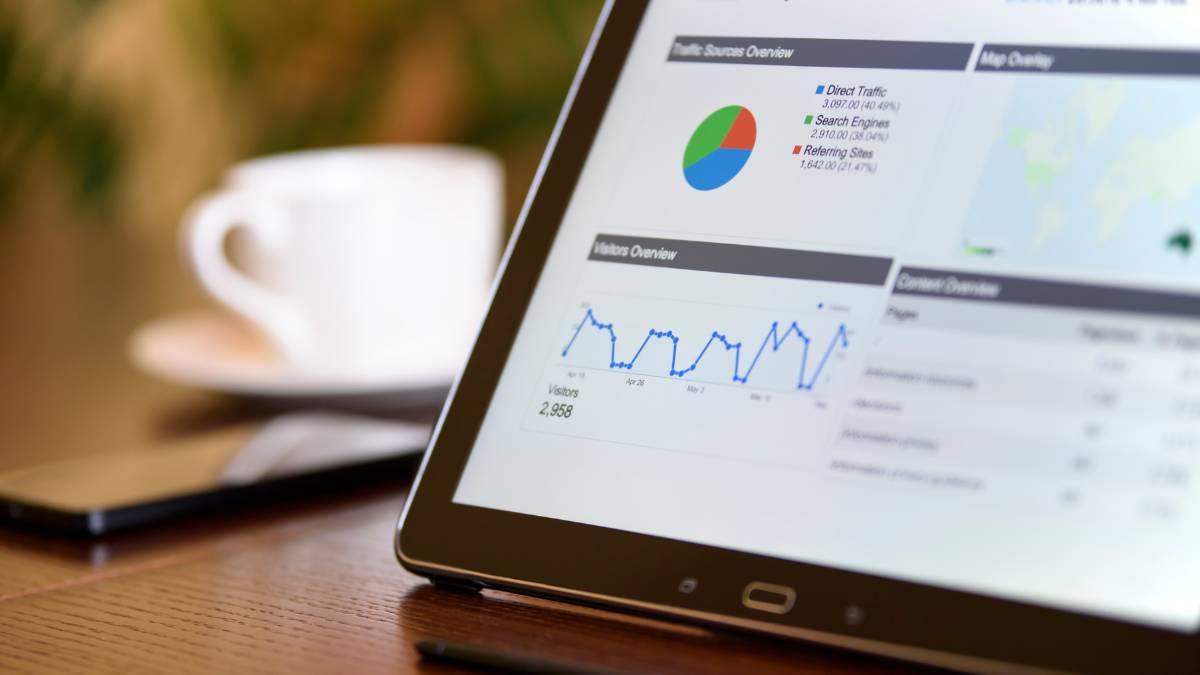
Facebook still drives serious business growth for a lot of brands, but the way it works now is messier than most guides make it sound. Organic reach feels unpredictable some days. Ads get expensive fast if the targeting or creative is even slightly off. And honestly, audiences notice lazy content immediately now. This blog breaks down a more practical Facebook marketing strategy for 2026, covering everything from Reels and Facebook Groups to ad campaigns, content planning, audience behavior, and conversion tracking. It also looks at why some businesses still grow consistently on Facebook while others burn budget without much traction. Small details matter more than they used to. Timing, positioning, creative style, community interaction… all of it adds up over time.
Table of Contents
What Is Facebook Marketing?
Facebook marketing is the process of using Facebook to attract attention, build trust, generate leads, and drive sales through both organic content and paid promotion. Simple definition, honestly. But the way businesses use Facebook today is very different from how it worked even four or five years ago.
Back then, many brands could post a graphic with a motivational quote, maybe add a few hashtags, and still pull decent engagement. That version of Facebook is mostly gone.
Now the platform behaves more like a recommendation engine mixed with a community platform. Content gets pushed based on relevance, interaction quality, watch time, and user behavior patterns. Not just followers.
So modern Facebook marketing is less about “posting regularly” and more about creating content people actually spend time with.
For businesses, Facebook marketing usually includes:
- Content creation
- Facebook advertising
- Community engagement
- Reels and video marketing
- Messenger communication
- Lead generation campaigns
- Retargeting
- Customer relationship building
And maybe the biggest shift in 2026… businesses can no longer separate content from distribution. Good content without reach struggles. Paid reach without strong content burns money fast.
The brands seeing consistent results usually combine both.
How Businesses Use Facebook Marketing
Brand awareness and visibility
A lot of businesses still underestimate how much repeated visibility matters.
People rarely buy after seeing a brand once. Usually, they notice a Reel, then another post a week later, maybe a customer review after that. Gradually, the business starts feeling familiar.
Facebook is strong at creating that familiarity because content appears in so many places now:
- Feed recommendations
- Reels discovery
- Groups
- Suggested videos
- Marketplace
- Shared posts from friends
The interesting thing is that reach isn’t entirely follower-dependent anymore. Smaller brands with strong content can suddenly get traction if engagement signals are good early on.
That happens more often than many marketers think.
Lead generation campaigns
Facebook remains one of the better platforms for lead generation, especially for service businesses.
Real estate agencies, consultants, coaches, education brands, clinics, SaaS companies… they still pull strong results from lead campaigns because Facebook reduces friction. Users can submit forms without leaving the app, which sounds minor but usually improves conversion rates noticeably.
Though lead quality depends heavily on the offer. Cheap leads are easy to get. Qualified leads are harder.
There’s a difference.
Businesses doing well here usually focus on:
- Clear offers
- Strong follow-up systems
- Retargeting sequences
- Educational ad creatives instead of overly sales-heavy messaging
Community building and audience engagement
Facebook Groups still matter. Probably more than most people expected.
Algorithms change constantly, but communities tend to survive those shifts because the engagement is intentional. People join Groups because they want discussions, recommendations, advice, or access to other people with similar interests.
That creates stronger retention.
Brands using Groups well usually avoid making them feel like nonstop sales channels. The strongest communities tend to feel useful first and promotional second.
Otherwise, engagement dies pretty quickly.
Ecommerce and product sales
Facebook continues to be a major ecommerce platform, especially when paired with video content and retargeting.
A fairly common buying journey now looks something like this:
- Someone watches a short Reel
- Sees the product again later through an ad
- Checks comments for social proof
- Visits the website
- Leaves without buying
- Gets retargeted two days later
- Finally purchases
It’s messy. Not linear at all.
But Facebook supports almost every stage of that process.
Customer support and retention
A surprising number of customers now expect businesses to respond through Facebook comments or Messenger instead of email.
Fast responses matter because people see them publicly. One ignored complaint under a viral post can shape perception faster than a polished ad campaign.
Brands that actively engage tend to build stronger trust over time. Not because every reply is perfect, but because responsiveness itself signals reliability.
Organic Facebook Marketing vs Paid Facebook Advertising
What organic Facebook marketing means
Organic Facebook marketing refers to unpaid efforts used to grow visibility and engagement naturally over time.
That usually includes:
- Posting content
- Sharing videos and Reels
- Running Facebook Groups
- Engaging in comments
- Publishing educational posts
- Hosting Lives
- Building conversations
Organic growth is slower than paid growth, but it builds trust differently. Audiences start recognizing the brand voice, content style, and expertise over time.
Still, organic reach isn’t easy anymore. Facebook filters weak content aggressively now. Posts that feel generic or overly promotional often disappear fast.
Content has to earn attention.
What does paid Facebook marketing include
Paid Facebook marketing involves using Meta Ads Manager to distribute ads across Facebook, Instagram, Messenger, and the Audience Network.
Businesses run campaigns for:
- Lead generation
- Website traffic
- Ecommerce sales
- Brand awareness
- Retargeting
- Video views
- App installs
One thing that’s changed recently is how much Meta relies on AI-driven optimization. Manual targeting still matters, but campaign performance now depends heavily on creative quality and conversion signals.
In other words, strong ads matter more than hyper-complicated targeting setups.
That shift caught a lot of advertisers off guard.
When brands should use both together
Organic and paid marketing work best together. Separating them completely usually creates weaker results.
Organic content helps:
- Build trust
- Warm up audiences
- Improve credibility
- Generate engagement signals
Paid campaigns help:
- Scale visibility
- Retarget interested users
- Accelerate lead generation
- Drive conversions faster
A smart approach many brands use now is simple:
Publish organically first. Watch what performs naturally. Then amplify winning content through paid campaigns.
That tends to outperform guessing.
Why Facebook Marketing Still Matters
Facebook’s active global user base
Every year, people claim Facebook is finished. Yet businesses continue generating leads, sales, and attention from it.
The platform’s usage has changed, though.
People may post fewer personal updates than they once did, but they still use Facebook heavily for:
- Videos
- Groups
- Marketplace
- Recommendations
- Local businesses
- Events
- Messaging
- Community discussions
And the scale is still massive. That matters.
Especially for businesses targeting broad demographics instead of niche internet subcultures.
Why Facebook still works for small businesses
Facebook remains surprisingly effective for small businesses because local targeting is still one of its strongest advantages.
A local gym, restaurant, salon, clinic, or retail shop can reach nearby customers without needing huge budgets. Community Groups help too. Recommendations spread quickly in local networks.
And honestly, smaller brands often outperform larger companies on Facebook because their content feels more human and less overproduced.
People respond to authenticity. Even if the content isn’t perfectly polished.
Sometimes, especially when it isn’t.
Facebook’s role in local marketing and ecommerce
Facebook sits in a strange middle ground between social media, search, and ecommerce.
People use it to:
- Discover businesses
- Read reviews
- Ask for recommendations
- Compare services
- Message brands directly
- Browse products
That combination is valuable because buying decisions rarely happen in one step anymore.
Customers research socially now. They check comments. They read reviews. They look for signals from other buyers before trusting a business.
Facebook supports that behavior naturally.
How AI-driven discovery is changing Facebook reach
The biggest change happening right now is recommendation-driven discovery.
Follower count matters less than before because Facebook increasingly pushes content based on predicted interest rather than existing connections.
That means:
- Smaller creators can grow faster
- Strong content can spread quickly
- Weak content dies almost immediately
- Audience retention matters heavily
- Engagement quality matters more than raw volume
The platform is getting better at understanding what people actually spend time consuming.
Which means brands can’t rely on clickbait tactics the way they once did. The algorithm eventually catches weak engagement patterns.
Useful content tends to survive longer.
What Is a Facebook Marketing Strategy?
Facebook Marketing Strategy Explained
A Facebook marketing strategy is basically a structured plan for how a business uses Facebook to achieve specific outcomes.
Not random posting.
Not boosting every post that gets a few likes.
An actual system.
That system usually defines:
- Business goals
- Target audience
- Content approach
- Advertising strategy
- Posting consistency
- Engagement process
- Performance tracking
Without a strategy, Facebook marketing becomes reactive. One week, businesses post educational content. Next week, they disappear completely. Then suddenly they run ads without proper targeting or creative testing.
Results become inconsistent because the approach is inconsistent.
A proper strategy creates direction. It helps businesses understand:
- What they’re trying to achieve
- Who they’re speaking to
- What type of content supports those goals
- How success will be measured
And honestly, strategy matters more now because organic reach is more competitive than before. Random content rarely performs consistently anymore.
Why Businesses Need a Facebook Marketing Strategy
Consistent brand positioning
Brands grow faster when audiences know what to expect from them.
Consistency builds recognition.
That doesn’t mean every post needs an identical design or wording. Actually, overly rigid branding often feels lifeless on social media. But there should still be a recognizable tone, perspective, and content style.
Otherwise, businesses blend into the feed.
Better audience targeting
Many Facebook campaigns fail before launch because businesses don’t understand their audience clearly enough.
They know broad demographics, maybe. Age range. Interests. Location.
But deeper questions matter more:
- What frustrates the customer?
- What content catches attention?
- What objections slow buying decisions?
- What language feels natural to them?
A good strategy forces businesses to answer those questions before spending money on ads or content production.
Improved engagement and conversions
Engagement improves when content feels relevant.
Pretty obvious statement, maybe, but many businesses still post content built around what they want to say instead of what audiences actually care about.
That disconnect hurts performance.
Strategic planning helps businesses align content with audience intent, which usually improves:
- Engagement rates
- Click-through rates
- Leads
- Sales
- Audience retention
Easier campaign measurement
Without goals, performance data becomes meaningless.
A campaign with low reach might still generate profitable leads. Another campaign with huge engagement might drive almost no business results.
Strategy creates context for measurement.
It helps businesses track the metrics that actually matter for their objectives instead of chasing vanity numbers constantly.
Core Elements of a Successful Facebook Marketing Strategy
Audience research
Strong Facebook marketing starts with understanding people properly.
Not just demographics. Behavior too.
Businesses need to know:
- What content formats audiences prefer
- What problems they’re trying to solve
- What motivates engagement
- What buying hesitations exist
- What language feels relatable
This research shapes everything else.
Content planning
Content planning keeps businesses consistent without making the content feel robotic.
The strongest content strategies usually mix:
- Educational posts
- Entertaining content
- Videos
- Reels
- Customer stories
- Promotional campaigns
- Community conversations
Too much promotion usually lowers engagement over time because audiences stop feeling value from the content itself.
Facebook advertising
Paid advertising plays a major role in modern Facebook growth.
Organic reach still matters, but ads help businesses:
- Reach new audiences
- Retarget visitors
- Scale conversions
- Accelerate traffic
- Test messaging faster
The mistake many brands make is relying only on targeting while neglecting creative quality.
Creative has become the bigger lever now.
Community management
Facebook rewards interaction.
Brands that respond to comments, answer messages, and participate in discussions generally perform better because engagement signals stay active longer.
Community management also improves trust. Audiences notice when brands are actually present instead of broadcasting content and disappearing.
Analytics and optimization
Good marketers pay attention to patterns.
They look at:
- Watch time
- Click-through rates
- Engagement trends
- Conversion rates
- Audience retention
- Ad frequency
- Creative fatigue
Then they adjust.
Facebook marketing is rarely static for long. Audience behavior shifts constantly, which means strategies need regular refinement, too.
Benefits of Facebook Marketing for Businesses
Increase Brand Visibility on Facebook
Expanding organic reach through shares and engagement
Facebook’s distribution system still relies heavily on interaction.
When users comment, share, or save content, visibility expands beyond the original audience. One strong post can continue circulating for days if engagement remains active.
But engagement today works differently than it used to.
Simple “like-bait” tactics don’t hold attention very well anymore. Facebook prioritizes deeper interaction signals now:
- Shares
- Long comments
- Discussions
- Watch time
- Repeat engagement
Which is why thoughtful content tends to outperform shallow promotional posting.
Building brand recognition through consistent posting
Recognition grows through repetition.
Most customers need multiple interactions before trusting a business enough to buy. Consistent posting increases those touchpoints gradually.
And consistency doesn’t always mean daily posting. Sometimes, brands posting three high-quality pieces weekly outperform accounts posting mediocre content every few hours.
Frequency matters. But relevance matters more.
Using Facebook Reels for discovery
Reels have become one of the strongest organic growth tools on Facebook.
Mostly because Meta aggressively prioritizes short-form video distribution right now.
Businesses using Reels effectively often see:
- Higher reach
- Better engagement
- Faster audience growth
- Improved ad performance later through retargeting
The strongest Reels usually hook attention immediately. Slow introductions tend to lose viewers fast.
Attention spans are shorter now. Or maybe just more selective.
Reach a Large and Targeted Audience
Local audience targeting
Facebook remains highly effective for local marketing because businesses can target audiences geographically with impressive precision.
Restaurants, gyms, clinics, salons, and service providers benefit heavily from this because campaigns stay focused on nearby users instead of wasting spend broadly.
Interest-based audience targeting
Interest targeting allows businesses to align campaigns with audience behavior and preferences.
For example, advertisers can target users interested in:
- Fitness
- Fashion
- Entrepreneurship
- Gaming
- Investing
- Travel
- Beauty
- Technology
That targeting flexibility helps brands tailor messaging much more effectively.
Behavioral and demographic targeting
Behavioral targeting goes deeper than interests alone.
Businesses can reach:
- Frequent online shoppers
- Recent website visitors
- Travelers
- Engaged social users
- Mobile device users
- Previous customers
Combined with demographic filtering, campaigns become significantly more precise.
Create More Engaging Social Media Content
Interactive Facebook post formats
Different content formats create different engagement behaviors.
Polls encourage quick participation.
Questions drive comments.
Videos increase watch time.
Memes generate shares.
Strong Facebook strategies usually combine multiple formats instead of relying on static image posts constantly.
Building conversations through comments and communities
Comments matter more than many brands realize.
When conversations happen under posts, Facebook interprets that as a strong relevance signal. Distribution often increases as engagement deepens.
That’s why discussion-driven content tends to outperform purely informational posting.
People engage with perspectives, opinions, debates, and relatable experiences more naturally than polished corporate messaging.
Why engagement matters for Facebook’s algorithm
Engagement tells Facebook whether content deserves broader distribution.
Strong engagement signals include:
- Shares
- Saves
- Comments
- Watch time
- Reply chains
- Meaningful interactions
Low-engagement content fades quickly because the platform assumes users are not finding it valuable.
Generate Leads and Sales Through Facebook
Facebook lead generation campaigns
Lead Ads continue to perform well because they reduce friction during the signup process.
Users don’t need to leave the app, which often improves completion rates.
Still, lead quality depends heavily on:
- Offer quality
- Audience targeting
- Follow-up speed
- Ad messaging
- Landing experience afterward
Generating leads is easy. Generating qualified leads consistently is harder.
Driving website traffic from Facebook
Facebook remains a strong traffic source when content creates genuine curiosity or value.
Educational posts, strong hooks, and compelling video content often drive significant referral traffic. Generic clickbait, though… performance usually collapses faster now because audiences recognize it immediately.
Using Facebook for ecommerce sales
Facebook works especially well for ecommerce when brands combine:
- Video creatives
- Retargeting campaigns
- User-generated content
- Customer reviews
- Creator collaborations
Social proof matters heavily in ecommerce advertising now. Buyers want reassurance before purchasing.
Use Cost-Effective Facebook Advertising
Lower advertising costs compared to other platforms
For many industries, Facebook still delivers relatively efficient advertising costs compared to platforms with heavier bidding competition.
Especially for:
- Lead generation
- Retargeting
- Mid-funnel campaigns
- Local targeting
Though cheaper traffic means nothing if conversions are weak. Businesses sometimes forget that part.
Budget-friendly campaigns for small businesses
Smaller businesses can test campaigns without enormous budgets.
That accessibility matters because businesses can validate:
- Messaging
- Creative formats
- Audience segments
- Offers
before scaling aggressively.
Scaling profitable Facebook ad campaigns
Scaling works best when businesses expand gradually while refreshing creatives consistently.
Many campaigns fail during scaling because ad fatigue appears faster than expected. Audiences stop responding once the same creative appears repeatedly.
Fresh creative usually solves more performance issues than endless targeting adjustments.
How the Facebook Algorithm Works
How Facebook Ranks Content in the Feed
Facebook’s algorithm now prioritizes predicted relevance more than chronological posting.
The platform evaluates user behavior constantly to decide:
- What content appears
- How long it stays visible
- Who receives recommendations
- Which posts gain extended reach
Follower count still matters somewhat, but not nearly as much as before.
Strong content from smaller pages can outperform weak content from larger accounts surprisingly often now.
Engagement signals that influence reach
Facebook tracks engagement quality closely.
Not all interactions carry equal value.
A thoughtful comment generally matters more than a passive reaction because it signals deeper attention. Shares are especially powerful because they introduce content to new audiences organically.
The platform also evaluates interaction patterns over time. Sudden low-quality engagement spikes don’t hold reach for long anymore.
Watch time and content retention
Watch time has become one of Facebook’s strongest ranking signals.
If users leave videos quickly, distribution usually slows. If viewers stay engaged longer, Facebook expands reach because the platform interprets that content as valuable.
This is why hooks matter so much now.
The first few seconds often determine whether a video scales or disappears quietly.
Shares, comments, and meaningful interactions
Meaningful interaction remains central to Facebook’s algorithm.
Content that creates:
- Discussions
- Debates
- Conversations
- Shares between users
- Community participation
usually receives stronger visibility over time.
Passive scrolling content tends to struggle.
How AI Recommendations Impact Facebook Content Distribution
Suggested content and interest-based discovery
Facebook increasingly pushes suggested content from accounts users don’t even follow.
Recommendations are driven by:
- Viewing behavior
- Engagement history
- Content similarity
- Watch patterns
- Predicted interests
This creates major opportunities for businesses producing strong content consistently.
Follower count alone no longer limits reach the way it once did.
Why short-form video performs better
Short-form video aligns perfectly with Facebook’s recommendation systems because it keeps users consuming content rapidly.
Reels especially perform well because they:
- Increase watch sessions
- Encourage repeat viewing
- Generate shares
- Improve retention metrics
Brands ignoring short-form video are probably limiting their organic growth potential significantly right now.
The rise of AI-personalized feeds
Feeds are becoming deeply personalized.
Two users following the same pages may see completely different content because Facebook adapts distribution based on individual behavior patterns.
That means businesses must optimize for audience relevance, not just broad visibility.
How to Optimize Content for the Facebook Algorithm
Posting consistency
Consistent publishing helps Facebook understand:
- What the page is about
- Who engages with it
- Which audiences should receive future content
Irregular posting often weakens momentum because engagement patterns become inconsistent too.
Content relevance and audience intent
The algorithm rewards content aligned with audience interests and behavior.
Promotional content can still work, but only when balanced with genuinely useful or engaging material.
Otherwise audiences disengage quickly.
Native video and Reels optimization
Facebook strongly favors native content uploaded directly to the platform.
For videos and Reels, strong optimization usually includes:
- Fast hooks
- Vertical formatting
- Captions
- Mobile-friendly editing
- Strong pacing
- Clear storytelling
Perfection matters less than retention.
Sometimes raw-looking videos outperform highly polished ads because they feel more natural in-feed.
Community engagement strategies
Brands that actively engage often gain stronger long-term reach because interaction signals stay active longer.
That includes:
- Replying to comments
- Asking questions
- Managing Groups
- Starting discussions
- Hosting live sessions
Facebook rewards participation. Not just publishing.
Best Facebook Marketing Strategies for Business Growth
Combine Organic Facebook Marketing and Paid Facebook Ads
A lot of businesses still treat organic content and Facebook ads as two completely separate things. That usually creates inconsistent results.
Organic content builds familiarity. Paid ads create scale.
The strongest Facebook strategies combine both in a way that feels connected rather than fragmented. A business might publish educational Reels organically for weeks, notice one topic consistently outperforming the others, and then turn that content angle into an ad campaign. That approach tends to work better than launching cold ads without any audience insight behind them.
Organic content also helps reduce resistance. By the time someone sees a conversion-focused ad, they may already recognize the brand from previous videos, posts, or community discussions. That familiarity matters more than most marketers admit.
Especially now, when attention spans are shorter and audiences are more skeptical of polished advertising.
Building full-funnel Facebook campaigns
High-performing Facebook campaigns usually guide users through stages instead of pushing for an immediate sale every single time.
A simple funnel often looks like this:
- Awareness content introduces the brand
- Educational posts build trust
- Retargeting ads reinforce credibility
- Conversion campaigns drive action
- Community engagement supports retention
The mistake many brands make is trying to sell too early to completely cold audiences. Sometimes the offer itself is fine. The audience just isn’t warm enough yet.
Facebook’s algorithm also performs better when campaigns generate layered engagement signals over time instead of isolated clicks.
Retargeting engaged audiences
Retargeting remains one of the highest-leverage strategies on Facebook.
Users who have already interacted with:
- Videos
- Reels
- Website pages
- Lead forms
- Instagram content
- Facebook posts
They are significantly more likely to convert compared to completely cold audiences.
And retargeting does not always need aggressive sales messaging. Sometimes, reminding people the brand exists is enough.
Short testimonial videos, customer reviews, educational clips, or behind-the-scenes content often outperform hard-sell creatives in retargeting campaigns because the audience already knows the business.
Boosting high-performing organic posts
Not every post deserves ad spend.
But when an organic post naturally gets:
- Shares
- Saves
- Strong comment activity
- Long watch time
- Higher-than-usual engagement
That’s usually a useful signal.
Boosting high-performing organic content often works better than promoting content designed purely as an advertisement because audiences have already validated it first. The engagement feels more natural, too, which can improve ad performance noticeably.
Some of the best-performing Facebook ads barely look like ads at all.
Use Facebook Reels for Organic Reach
Reels have changed Facebook marketing quite a bit. Honestly, ignoring short-form video now makes growth much harder than it needs to be.
Facebook aggressively prioritizes Reels because short-form video keeps users active on the platform longer. That means businesses creating strong Reels can reach audiences far beyond their existing followers.
And unlike traditional feed posts, Reels still offer meaningful organic discovery opportunities.
Creating short-form video content
The best Facebook Reels usually feel fast, direct, and easy to consume.
Overly scripted videos often underperform because audiences scroll quickly and immediately recognize content that feels too polished or corporate. Slightly raw content tends to blend into the feed more naturally.
Good Reel formats include:
- Quick educational breakdowns
- Product demonstrations
- Industry myths
- Before-and-after transformations
- Customer reactions
- Day-in-the-life style clips
- Behind-the-scenes content
The important part is clarity.
If viewers cannot understand the value within a few seconds, retention drops fast.
Reel hooks and audience retention
Hooks matter more than almost anything else in short-form video.
The first three seconds usually decide whether someone keeps watching or scrolls away.
Strong hooks often:
- Ask a sharp question
- Challenge a common assumption
- Show the outcome first
- Introduce tension quickly
- Use curiosity naturally
But retention is what really drives distribution.
A Reel with moderate views but strong completion rates often gets pushed harder than a flashy video people abandon halfway through.
That’s where pacing matters. Long intros usually hurt performance. So does unnecessary filler.
Trending audio and creative formats
Trending audio can help improve discoverability, though businesses sometimes force trends in ways that feel unnatural.
That rarely works long term.
The better approach is adapting trends to fit the brand voice rather than copying internet formats blindly. Audiences can tell when content feels forced.
Creative variation matters too. Repeating the exact same Reel structure over and over eventually leads to audience fatigue.
Even strong content formats wear out eventually.
Use Facebook Groups for Community Marketing
Facebook Groups remain one of the most underrated business growth channels on the platform.
Partly because Groups create something regular feed content often struggles to maintain: ongoing interaction.
People return to communities repeatedly when discussions feel useful, entertaining, or relevant to their interests.
That repeated engagement creates stronger audience loyalty over time.
Building niche communities
The strongest Facebook Groups are usually focused around specific interests, identities, or goals.
Broad communities often struggle because conversations become too generic.
Niche groups perform better because members feel more connected around:
- Shared problems
- Industry discussions
- Local interests
- Professional growth
- Hobbies
- Lifestyle topics
A smaller but highly engaged community often creates more long-term business value than a massive inactive audience.
Increasing engagement through discussions
Discussion-driven content works especially well inside Groups because Facebook prioritizes active conversations heavily.
Questions, polls, debates, and experience-sharing posts tend to generate stronger interaction than one-way announcements.
Businesses that dominate Group engagement usually focus less on broadcasting and more on participation.
That difference matters.
People join communities to contribute, not just consume promotions constantly.
Using Facebook Groups for customer retention
Groups also work well for retention because they extend the relationship beyond the purchase itself.
Brands use Groups for:
- Customer education
- Product support
- Networking
- Exclusive updates
- Community access
- Loyalty-building
Customers who feel connected to a brand community often stay engaged longer and recommend the business more frequently.
Not always because the product changed dramatically. Sometimes the community experience itself increases perceived value.
Leverage Facebook Influencer and Creator Collaborations
Creator marketing on Facebook has evolved quite a bit in recent years.
Audiences generally trust people more than polished brand messaging. That’s especially true in crowded industries where every company claims to be “the best” at something.
Creators help bridge that trust gap because recommendations feel more personal and contextual.
When partnerships are done well, anyway.
Partnering with niche creators
Large creators attract attention, but niche creators often drive stronger engagement and conversions.
Their audiences tend to be:
- More focused
- More loyal
- More responsive
- More community-driven
A smaller creator with highly engaged followers often outperforms broad-reach influencers with passive audiences.
Relevance matters more than raw follower count now.
Especially on Facebook, where engagement quality influences reach heavily.
Running influencer campaigns on Facebook
The best influencer campaigns usually avoid sounding overly scripted.
Audiences can spot forced promotional content immediately. Engagement drops when creator content suddenly feels disconnected from their normal tone or style.
Effective campaigns often give creators room to:
- Explain products naturally
- Share practical use cases
- Demonstrate real experiences
- Adapt messaging to their audience style
That flexibility usually creates more believable content.
User-generated content and creator trust
User-generated content performs well because it reduces the “advertisement feel” many branded campaigns struggle with.
Real customer photos, casual videos, product reactions, and community submissions create stronger social proof than heavily polished campaigns in many cases.
Consumers trust other consumers.
That hasn’t changed.
If anything, skepticism toward highly produced advertising has increased over time.
Use Employee Advocacy to Increase Reach
Employee advocacy is still underused by many businesses, which is surprising considering how effective it can be.
Company pages often face lower organic reach compared to personal profiles. Employee sharing helps extend visibility naturally through individual networks.
And personal sharing generally feels more authentic than corporate broadcasting.
Encouraging employees to share company content
The key is encouragement, not forcing participation.
When employees genuinely share:
- Company achievements
- Industry insights
- Team culture
- Events
- Product updates
the content usually feels more credible and relatable.
Forced advocacy programs often fail because the content becomes repetitive and obviously scripted.
Audiences notice that quickly.
Expanding organic brand visibility
Employee networks collectively create significant distribution potential.
A business with:
- Sales teams
- Leadership staff
- Customer support employees
- Subject matter experts
can dramatically increase content reach through consistent employee engagement.
This works especially well for B2B brands where personal credibility matters heavily.
Optimize Facebook Content for AI Overviews and SGE
Search behavior is changing. Users increasingly expect direct, conversational answers instead of digging through overly generic content.
Facebook content that performs well now often mirrors that shift. Clear explanations, practical insights, and structured answers tend to travel further because they align with how people consume information today.
Vague motivational posting doesn’t hold attention very long anymore.
Creating question-based content sections
Question-driven content works well because it naturally aligns with audience curiosity.
Posts framed around questions often generate stronger engagement:
- “Why are Facebook ads getting more expensive?”
- “What makes a Reel perform well organically?”
- “Why do some ads get clicks but no conversions?”
Questions create immediate context. They also make content easier to skim.
Using conversational headings and FAQs
Conversational formatting improves readability significantly, especially on mobile.
Dense corporate-style blocks usually perform poorly because social audiences scan quickly before deciding whether to continue reading.
Clear subheadings, direct answers, and FAQ-style formatting help users find relevant information faster.
Which improves retention.
Structuring content for featured snippets
Well-structured content tends to perform better across both search and social discovery systems.
Clear formatting helps because platforms can understand the content more easily when:
- Headings are descriptive
- Answers are concise
- Key ideas are separated properly
- Supporting details follow naturally
Messy structure weakens readability even when the insights themselves are strong.
Adding expert insights and first-hand examples
Generic advice is everywhere now.
What separates strong Facebook content is specificity. Practical observations. Nuance. Real-world context.
Audiences respond better to content that explains:
- Why something works
- When strategies fail
- What trade-offs exist
- What trends are changing
That depth builds trust gradually.
Covering search intent comprehensively
Thin content struggles because users expect complete answers quickly.
Strong Facebook content usually anticipates follow-up questions naturally instead of answering topics superficially. That doesn’t mean stuffing posts with unnecessary information. Just enough depth to make the content genuinely useful.
People stay longer when content actually solves something.
Improving topical authority with semantic keywords
Facebook increasingly understands contextual relationships between topics, not just isolated keywords.
Businesses creating consistent content around connected themes often build stronger authority over time because audiences begin associating the brand with specific expertise areas.
That consistency compounds slowly.
But it compounds.
How to Set Up Facebook Marketing for Your Business
Create a Facebook Business Page
Everything starts with the Facebook Business Page. Still one of the most important foundations, even now.
Some businesses rush through setup in ten minutes and then wonder why the page never gains traction. The details matter more than people think. A poorly optimized page immediately weakens credibility, especially for first-time visitors checking reviews, services, or contact information.
The Facebook Page often becomes the first impression before someone visits a website or sends a message.
And small trust signals add up fast online.
How to Create a Facebook Business Page Step by Step
Creating a Facebook Business Page is fairly straightforward, but the setup process should be intentional.
Typically, businesses need to:
- Create or log into a Facebook account
- Navigate to “Create Page”
- Add the business name
- Choose a category
- Upload branding assets
- Add contact information
- Write a proper description
- Configure action buttons
The biggest mistake during setup is leaving sections incomplete. Empty pages look abandoned, even if the business itself is active elsewhere.
Choosing the Right Facebook Business Category
Category selection affects discoverability and page features.
For example:
- Restaurants unlock menu-related features
- Ecommerce brands may connect product catalogs
- Service businesses can enable appointment options
Choosing broad categories just because they sound popular usually creates confusion later.
Specificity tends to work better.
Optimizing Your Facebook Page Name and Username
Page names should stay simple and recognizable.
Stuffing extra keywords or slogans into the business name often looks spammy and harder to remember. Clean branding almost always performs better long term.
Usernames matter too because they affect:
- Page URLs
- Search visibility
- Brand consistency across platforms
Shorter usernames are usually easier to share and recall.
Adding Contact Information and Business Details
This part gets ignored surprisingly often.
Businesses should include:
- Website links
- Phone numbers
- Email addresses
- Operating hours
- Service locations
- Booking links
People regularly check Facebook pages specifically for contact information. Missing details create friction immediately.
Especially for local businesses.
Optimize Your Facebook Business Page for SEO and Engagement
A Facebook Page should not feel static. It should feel active, useful, and trustworthy.
Visitors decide very quickly whether a business feels legitimate online. Profile setup, visual consistency, response activity, and content quality all shape that perception within seconds.
Writing a keyword-rich Facebook About section
The About section should explain:
- What the business does
- Who it helps
- What makes it different
- Why someone should care
A lot of brands either write too little or turn this section into corporate jargon nobody actually reads.
Natural language works better.
Clear explanations outperform buzzwords almost every time.
Designing profile and cover images
Visual branding matters because Facebook is crowded. Users scroll fast.
The profile image should stay recognizable even at smaller sizes. Usually logos work best there. Cover images can highlight:
- Brand positioning
- Current campaigns
- Products
- Services
- Community messaging
Outdated cover images quietly hurt credibility more than many businesses realize.
Adding Facebook CTA buttons
Facebook allows businesses to add action-focused buttons like:
- Contact Us
- Shop Now
- Learn More
- Book Now
- Send Message
These buttons seem small, but they reduce friction significantly. If users must search for the next step, conversion rates usually drop.
Simple navigation matters.
Pinning important Facebook posts
Pinned posts help direct attention toward important updates or high-value content.
Businesses often pin:
- Offers
- Product launches
- Welcome posts
- Case studies
- Brand introductions
- Lead magnets
- Customer testimonials
A strong pinned post can immediately improve the visitor experience for new audiences landing on the page.
Setting up Messenger automation
Messenger automation helps businesses respond faster, especially outside business hours.
Automated replies can:
- Confirm inquiries
- Share FAQs
- Route support requests
- Collect lead information
- Set response expectations
But over-automation becomes frustrating quickly.
People still expect some level of human interaction eventually.
Create a Facebook Ad Account
Running Facebook marketing seriously without proper ad account setup usually creates problems later.
Permissions, payment methods, business ownership… all of it should be configured correctly from the beginning.
Setting up Meta Business Manager
Meta Business Manager centralizes access to:
- Facebook Pages
- Ad accounts
- Pixels
- Team permissions
- Instagram accounts
Businesses managing multiple team members or agencies especially need a proper setup here. Otherwise, account access becomes messy very quickly.
And recovering lost ownership access later can be painful.
Configuring Facebook Ads Manager
Ads Manager is where campaigns are created, monitored, and optimized.
Proper setup includes:
- Campaign objectives
- Billing configuration
- Account permissions
- Security settings
- Tracking integrations
Many advertisers jump straight into campaign creation before fully configuring the account structure. That usually causes reporting or access issues later.
Connecting Instagram and Facebook accounts
Connecting Instagram improves campaign flexibility because ads can run across both platforms simultaneously.
It also helps:
- Share audiences
- Sync messaging
- Manage creatives
- Unify reporting
Cross-platform integration matters more now because audiences move constantly between apps.
Setting payment methods and permissions
Businesses should configure:
- Backup payment methods
- Admin permissions
- Role-based access controls
- Security settings
Too many brands share one login across multiple people. That creates unnecessary risk.
Especially once ad spend increases.
Install Facebook Pixel for Conversion Tracking
Tracking matters because Facebook optimization depends heavily on data quality.
Without proper conversion tracking, campaigns operate almost blindly.
What Facebook Pixel is
Facebook Pixel is a tracking code installed on a website that helps monitor user behavior after ad clicks.
It tracks actions like:
- Purchases
- Form submissions
- Add-to-cart events
- Page visits
- Checkouts
- Leads
That data feeds back into Meta’s advertising system.
Why Facebook Pixel matters for advertisers
Pixel data improves campaign optimization significantly because Facebook learns which users are more likely to convert.
Without tracking, advertisers lose:
- Conversion visibility
- Retargeting accuracy
- Campaign optimization quality
- Audience insights
The algorithm performs far better with strong conversion data.
How Facebook Pixel improves retargeting
Retargeting depends on behavioral data.
The Pixel allows businesses to reconnect with users who:
- Visited product pages
- Started checkout
- Viewed services
- Engaged with landing pages
- Left before converting
These audiences are often much more valuable than completely cold traffic.
Tracking ecommerce and lead generation events
Businesses should track meaningful actions, not just page views.
Important events usually include:
- Purchases
- Leads
- Booking requests
- Add-to-cart activity
- Trial signups
- Checkout initiation
Better event tracking creates better optimization opportunities over time.
And honestly, many campaign performance problems come down to weak tracking setups rather than bad ads.
How to Create a Facebook Marketing Strategy That Drives Results
Set Clear Facebook Marketing Goals
A surprising number of businesses start posting on Facebook without defining what success actually looks like.
That creates confusion fast.
Because a strategy built for engagement looks very different from one built for ecommerce sales or lead generation.
Clear goals help shape:
- Content direction
- Campaign structure
- Budget allocation
- Performance measurement
- Audience targeting
Without goals, businesses often chase vanity metrics that don’t contribute much to actual growth.
Brand awareness goals
Awareness campaigns focus on visibility and recognition.
The objective here is usually to:
- Reach more people
- Increase content visibility
- Build familiarity
- Improve recall over time
Metrics like reach, impressions, video views, and engagement become more important at this stage.
Engagement and community growth goals
Some businesses prioritize interaction and audience loyalty.
That usually means focusing on:
- Comments
- Shares
- Group participation
- Community discussions
- Audience retention
Engagement-driven strategies often create stronger long-term brand relationships.
Website traffic goals
Traffic campaigns are designed to move users from Facebook to external pages.
This works well for:
- Blogs
- Ecommerce stores
- Landing pages
- Webinar registrations
- Lead magnets
But traffic alone means very little if visitors do not convert afterward.
That’s where funnel quality matters.
Lead generation goals
Lead generation strategies focus on collecting inquiries, signups, or customer information.
The strongest lead campaigns usually balance:
- Strong offers
- Clear messaging
- Fast follow-up
- Audience intent
Low-quality lead generation tends to create wasted sales effort later.
Sales and conversion goals
Conversion-focused strategies prioritize revenue outcomes directly.
Businesses running these campaigns often optimize around:
- Purchases
- Return on ad spend
- Cost per acquisition
- Checkout completion
- Average order value
At this stage, creative quality and conversion tracking become extremely important.
Define Your Facebook Target Audience
Audience clarity changes everything.
A lot of weak Facebook marketing comes from trying to speak to everyone at once. The messaging becomes too broad, too safe, too generic.
Specific audiences respond to specific language, pain points, and content styles.
Research audience demographics and interests
Basic audience research should cover:
- Age groups
- Locations
- Interests
- Income levels
- Buying habits
- Platform behavior
But demographics alone are not enough anymore.
Behavioral understanding matters just as much.
Identify customer pain points and buying behavior
Good Facebook content usually solves something specific.
That requires understanding:
- Frustrations
- Objections
- Hesitations
- Motivations
- Desired outcomes
Businesses that deeply understand customer psychology usually create stronger ads and content naturally.
Create Facebook customer personas
Customer personas help organize audience insights into usable profiles.
A persona may include:
- Goals
- Interests
- Challenges
- Preferred content types
- Purchase triggers
The goal is not to create fictional characters for the sake of it. The goal is to build messaging clarity.
Use Facebook Audience Insights for targeting
Audience Insights help businesses understand:
- Engagement patterns
- Audience demographics
- Interest overlaps
- Behavioral trends
These insights can shape:
- Content topics
- Ad creatives
- Campaign messaging
- Targeting decisions
Sometimes the data reveals audience segments businesses were not initially considering.
Create a Facebook Content Strategy
Content strategy is where many businesses either build momentum or slowly disappear into the feed.
Consistency matters, but direction matters more.
Posting constantly without clear positioning usually creates noise instead of growth.
Define your Facebook content pillars
Content pillars create structure.
Most strong Facebook strategies revolve around recurring themes like:
- Education
- Entertainment
- Community
- Industry insights
- Product awareness
- Customer success stories
This helps businesses stay recognizable while still varying content formats.
Educational vs promotional Facebook content
Too much promotion usually weakens engagement over time.
People follow business pages for value, entertainment, information, or community. Not nonstop advertisements.
Educational content often performs better because it builds trust before asking for action.
That balance matters.
Creating value-first content for engagement
Value-first content focuses on helping the audience before selling to them.
This could include:
- Tips
- Tutorials
- Industry observations
- Mistakes to avoid
- Common misconceptions
- Useful breakdowns
Content earns attention more consistently when audiences feel they gained something from it.
Building topical authority through consistent posting
Businesses that repeatedly publish around related topics gradually become associated with expertise in those areas.
That consistency builds familiarity and trust over time.
Random disconnected posting weakens that effect.
Build a Facebook Content Calendar
Content calendars reduce inconsistency and reactive posting.
Without planning, businesses often disappear for weeks and then suddenly flood the feed with promotional posts during launches.
That rhythm rarely works well.
Benefits of a Facebook content calendar
Content calendars help businesses:
- Stay consistent
- Plan campaigns properly
- Balance content types
- Coordinate launches
- Avoid repetitive posting
Consistency tends to improve audience retention over time because followers know the brand remains active.
Planning weekly and monthly Facebook posts
Planning ahead allows businesses to:
- Batch content creation
- Align posts with campaigns
- Maintain posting frequency
- Avoid rushed content
Though over-planning too rigidly can sometimes make content feel lifeless. Flexibility still matters.
Scheduling content around campaigns and launches
Major promotions, product launches, and events should connect to broader content schedules instead of appearing randomly.
Pre-launch content often matters as much as launch-day content itself.
Building anticipation improves results.
Tracking content performance over time
Performance tracking reveals patterns.
Businesses should regularly analyze:
- Reach
- Engagement
- Saves
- Watch time
- Shares
- Conversion impact
The goal is to identify what audiences consistently respond to.
Choose the Best Types of Facebook Posts
Different content formats trigger different user behaviors.
Strong strategies mix formats intentionally instead of repeating the exact same posting style constantly.
Text posts for engagement
Text posts still work surprisingly well when they:
- Spark discussion
- Share strong opinions
- Ask thoughtful questions
- Address relatable frustrations
Simple posts sometimes outperform heavily designed graphics because they feel more conversational.
Image posts and branded graphics
Visual posts remain useful for:
- Announcements
- Quotes
- Product showcases
- Infographics
- Brand consistency
But static graphics alone rarely drive strong growth anymore unless the messaging itself is compelling.
Facebook carousel posts
Carousel posts work well for:
- Step-by-step breakdowns
- Product showcases
- Educational sequences
- Before-and-after examples
The swipe interaction increases engagement time naturally.
Facebook video marketing content
Video remains one of the strongest content formats for:
- Attention
- Retention
- Education
- Storytelling
Especially short-form video.
Facebook Stories strategy
Stories work best for casual, temporary, behind-the-scenes content.
Businesses use Stories for:
- Quick updates
- Polls
- Flash promotions
- Community interaction
- Daily activity
Stories feel less polished, which often makes them feel more authentic too.
Facebook Reels strategy
Reels should focus heavily on:
- Fast hooks
- Short pacing
- Clear value delivery
- Mobile-friendly viewing
Retention matters more than production quality alone.
Facebook Live videos
Live content still creates strong engagement because of the real-time interaction.
Businesses use Lives for:
- Q&As
- Product launches
- Interviews
- Tutorials
- Community discussions
Though Lives work best when there’s already some audience loyalty built beforehand.
User-generated content campaigns
User-generated content increases trust because audiences view it as more authentic than branded messaging.
Customer reviews, photos, reactions, and testimonials create strong social proof.
Especially for ecommerce and local businesses.
Post at the Best Times on Facebook
Timing still affects visibility, though not as dramatically as it once did.
Content quality matters more overall. But posting when audiences are active can improve early engagement signals.
Best times to post on Facebook
Best posting times vary depending on:
- Industry
- Audience location
- User behavior
- Content type
General benchmarks help somewhat, but platform-specific audience data usually matters more than generic timing advice.
How to analyze audience activity
Businesses should monitor:
- Peak engagement periods
- Video watch times
- Comment activity
- Audience online behavior
Patterns usually become visible after consistent posting.
Why posting consistency matters
Consistency helps build audience familiarity and stronger engagement habits.
Irregular posting often weakens momentum because the audience stops expecting content from the brand.
Engage With Your Facebook Audience Consistently
Audience engagement is no longer optional.
Brands that ignore comments, messages, or conversations usually struggle to build meaningful community momentum.
Responding to comments and DMs
Fast responses improve:
- Trust
- Retention
- Customer satisfaction
- Visibility signals
Even simple replies help keep conversations active.
Encouraging conversations and shares
Good engagement often starts with content designed for participation.
Questions, opinions, polls, and discussion prompts tend to create stronger interaction than passive announcements.
Building a loyal Facebook community
Community loyalty develops slowly through repeated positive interactions.
Brands that consistently educate, entertain, and engage usually build stronger long-term audience relationships.
Managing Facebook reviews and reputation
Reviews influence buying decisions heavily.
Businesses should actively monitor:
- Customer feedback
- Public comments
- Ratings
- Complaints
Ignoring reputation issues publicly usually creates larger trust problems later.
Enroll Now: AI-Powered Performance Marketing Course
Facebook Advertising Strategy
What Are Facebook Ads?
Facebook Ads are paid campaigns businesses run through Meta’s advertising ecosystem to reach targeted audiences across Facebook, Instagram, Messenger, and partner placements.
What makes Facebook advertising powerful is not just reach. It’s targeting precision combined with behavioral data.
Businesses can reach users based on:
- Interests
- Website activity
- Purchase behavior
- Demographics
- Engagement history
- Customer lists
That combination still makes Facebook one of the strongest performance marketing platforms available.
Overview of the Meta advertising ecosystem
Meta’s ecosystem connects multiple placements under one advertising system.
Campaigns can appear across:
- Facebook Feed
- Instagram Feed
- Reels
- Stories
- Messenger
- Audience Network
This allows advertisers to scale campaigns across different user behaviors and content formats.
Facebook ad placements explained
Different placements perform differently depending on campaign objectives.
For example:
- Reels placements work well for short-form video
- Stories support quick mobile engagement
- Feed placements often support longer-form messaging
- Messenger ads can improve direct conversations
Creative should match placement behavior whenever possible.
Benefits of Facebook advertising
Facebook ads offer:
- Precise targeting
- Flexible budgets
- Strong retargeting capabilities
- Detailed analytics
- Scalable reach
Though performance depends heavily on creative quality now. More than before, honestly.
Types of Facebook Ads
Facebook image ads
Image ads remain useful for:
- Product showcases
- Simple offers
- Brand awareness
- Local campaigns
But static images need stronger messaging now because feeds are increasingly video-heavy.
Facebook video ads
Video ads usually generate:
- Better engagement
- Higher retention
- Stronger storytelling opportunities
Especially when optimized for mobile viewing.
Facebook carousel ads
Carousel ads work well for:
- Product collections
- Educational sequences
- Multi-step explanations
- Ecommerce campaigns
The swipe interaction increases user involvement naturally.
Facebook collection ads
Collection ads combine product discovery with ecommerce browsing experiences.
They’re especially useful for mobile shopping campaigns.
Facebook lead ads
Lead Ads reduce friction because users submit information directly within Facebook.
This often improves completion rates significantly.
Facebook retargeting ads
Retargeting ads reconnect with users who already showed interest.
These campaigns typically target:
- Website visitors
- Cart abandoners
- Video viewers
- Past customers
- Engaged social audiences
Retargeting usually converts more efficiently than cold traffic campaigns.
Dynamic product ads
Dynamic ads automatically show users products they previously viewed or interacted with.
For ecommerce brands, this remains one of the strongest conversion-driving formats available.
How to Create High-Converting Facebook Ads
Writing effective Facebook ad copy
Strong ad copy feels clear and relevant.
Not overly clever. Not stuffed with buzzwords.
Good copy usually:
- Addresses a problem quickly
- Creates curiosity
- Explains value clearly
- Reduces friction
- Includes a strong CTA
Long copy can still work, but only if the messaging holds attention throughout.
Creating scroll-stopping ad creatives
Creative quality often determines campaign success now more than targeting alone.
Strong creatives usually:
- Capture attention immediately
- Feel native to the platform
- Use clear visual focus
- Prioritize mobile viewing
- Deliver the message quickly
Ads that feel too corporate often get ignored instantly.
Mobile-first Facebook ad design
Most Facebook consumption happens on mobile devices.
That changes how ads should be designed:
- Vertical formats work better
- Text must stay readable
- Hooks should appear early
- Videos need captions
- Visual clarity matters heavily
Mobile behavior is fast. Ads have very little time to earn attention.
Writing strong CTAs for Facebook ads
Good CTAs reduce hesitation.
Clear calls-to-action like:
- Learn More
- Book Now
- Shop Today
- Get Started
- Download Free Guide
usually outperform vague messaging because users understand the next step immediately.
Facebook Ad Targeting Strategies
Core audience targeting
Core audiences are built using:
- Demographics
- Interests
- Behaviors
- Locations
This works best for reaching new potential customers.
Custom audiences
Custom audiences allow businesses to target:
- Existing customers
- Website visitors
- Email subscribers
- Video viewers
- Social engagers
These audiences tend to perform better because familiarity already exists.
Lookalike audiences
Lookalike audiences help businesses find users similar to existing customers or leads.
This remains one of the better scaling strategies for successful campaigns.
Retargeting website visitors and engaged users
Retargeting works because users rarely convert on first interaction.
Campaigns targeting warm audiences often produce:
- Lower acquisition costs
- Higher conversion rates
- Better return on ad spend
Facebook Ad Budget Optimization
Daily vs lifetime budgets
Daily budgets provide consistent spend control, while lifetime budgets allow Meta to optimize pacing across a campaign duration.
Both work. Choice usually depends on campaign flexibility and testing strategy.
Campaign budget optimization
Campaign Budget Optimization allows Meta to distribute spend toward better-performing ad sets automatically.
This often improves efficiency, especially in larger campaigns.
Scaling winning Facebook ads
Scaling should happen gradually.
Increasing budgets too aggressively can destabilize campaign performance surprisingly fast.
Creative refreshes often become necessary during scaling phases because audience fatigue increases with spend.
Reducing Facebook ad costs
Lowering costs usually comes down to:
- Better creatives
- Stronger offers
- Improved targeting
- Better landing pages
- Higher engagement rates
Cheap clicks alone rarely matter if conversions stay weak.
Common Facebook Advertising Mistakes to Avoid
Weak audience targeting
Broad targeting without strategic direction often wastes budget.
Even good creatives struggle when shown to the wrong audience.
Ignoring creative testing
Creative fatigue happens quickly on Facebook.
Businesses that stop testing new creatives usually see performance decline over time.
Running ads without Pixel tracking
Without proper tracking, campaign optimization becomes significantly weaker.
Conversion data matters heavily.
Overlapping audiences
Audience overlap can increase costs because ad sets compete against each other internally.
This issue becomes more common as campaigns scale.
Ad fatigue and creative burnout
Users stop responding when they repeatedly see the same ads.
Creative refreshes are essential for maintaining performance long term.
Facebook Marketing for Small Businesses
Why Facebook Marketing Works for Small Businesses
Facebook still gives small businesses something many platforms struggle to offer consistently: affordable local visibility.
Smaller brands can compete effectively without massive production budgets because engagement and relevance matter heavily.
People care about trust and familiarity locally. Facebook supports both.
Local audience reach
Small businesses can target nearby audiences precisely using:
- Geo-targeting
- Local Groups
- Community engagement
- Location-specific campaigns
This makes Facebook especially valuable for restaurants, salons, clinics, gyms, agencies, and retail businesses.
Affordable advertising opportunities
Businesses can start testing campaigns with relatively small budgets.
That flexibility matters because smaller companies rarely have room for massive advertising risk early on.
Community-driven engagement
Local communities engage differently compared to broad national audiences.
Recommendations, reviews, comments, and shares carry stronger trust signals when audiences already share geographic or social connections.
Facebook Marketing Tips for Small Businesses
Using local Facebook Groups
Local Groups remain extremely valuable for:
- Recommendations
- Community visibility
- Event promotion
- Networking
- Referral generation
But businesses should participate naturally instead of treating Groups like advertising boards.
Overpromotion usually backfires.
Running geo-targeted Facebook ads
Geo-targeted ads help businesses avoid wasting spend outside service areas.
This improves:
- Relevance
- Conversion efficiency
- Local visibility
Especially for service-based businesses.
Leveraging customer reviews and testimonials
Reviews influence local buying decisions heavily.
Strong customer testimonials create trust faster than polished promotional messaging in many cases.
Creating hyper-local Facebook content
Hyper-local content often performs well because it feels immediately relevant.
Businesses can create content around:
- Local events
- Neighborhood updates
- Community trends
- Area-specific humor
- Local partnerships
That relevance increases engagement naturally.
Best Facebook Campaign Types for Small Businesses
Lead generation campaigns
Lead generation works well for:
- Service businesses
- Consultants
- Clinics
- Real estate
- Education brands
Especially when paired with strong follow-up systems.
Traffic campaigns
Traffic campaigns help drive visitors toward:
- Websites
- Booking pages
- Blogs
- Landing pages
Though conversion tracking should always support traffic campaigns properly.
Conversion campaigns
Conversion campaigns optimize directly for purchases or lead actions.
These campaigns usually require stronger tracking infrastructure but often produce better revenue-focused outcomes.
Awareness campaigns
Awareness campaigns help smaller brands increase recognition locally before pushing aggressive sales messaging.
Sometimes visibility comes first. Then conversions follow later.
Facebook Video Marketing Strategy
Why Video Content Performs Best on Facebook
Video dominates Facebook because it holds attention longer than almost any other format on the platform. That’s really what the algorithm rewards now. Attention. Retention. Interaction.
Static posts still work sometimes, especially opinion-driven text posts or community discussions, but video creates a different kind of engagement. People stop scrolling. They watch. They react emotionally. And even short videos can communicate far more context than a single image ever could.
The shift toward video-first behavior has been gradual for years, though in 2026 it feels completely baked into the platform experience.
Higher engagement and reach
Facebook pushes content that keeps users active inside the app. Video naturally supports that because users spend more time consuming it.
Well-performing videos often generate:
- More comments
- More shares
- Longer watch sessions
- Better organic reach
- Higher engagement signals
Especially short-form vertical videos.
The interesting part is that highly polished production is not always necessary anymore. Audiences respond more to relevance and pacing than perfect editing.
Better audience retention
Retention matters heavily on Facebook.
If users leave a video after three seconds, distribution usually slows down. If they continue watching, replay clips, or engage afterward, reach often expands naturally.
This is why the first few seconds matter so much. Weak openings quietly kill otherwise good content.
Fast hooks tend to perform better because Facebook users scroll quickly and make instant decisions.
Increased social sharing
Video is easier to share because it creates emotional reactions faster.
People share:
- Funny clips
- Useful tutorials
- Strong opinions
- Relatable moments
- Quick educational breakdowns
Content that makes audiences feel informed, entertained, or understood usually spreads further.
And honestly, boring corporate-style video still struggles badly on Facebook. Even with ad spend behind it sometimes.
Types of Facebook Videos That Drive Results
Not all video content performs equally. Different formats serve different goals.
Some videos build awareness. Others generate leads. Some strengthen community trust. The strongest Facebook strategies usually combine multiple video types instead of relying on one format repeatedly.
Educational videos
Educational content consistently performs well because it creates immediate value.
Businesses use educational videos for:
- Tutorials
- Tips
- Industry breakdowns
- Common mistakes
- How-to content
- Quick insights
Short educational clips tend to work especially well when they simplify something audiences already care about.
Overcomplicating content usually hurts retention.
Product demos
Product demos help reduce buying hesitation.
Instead of simply telling audiences a product is useful, demos show:
- Features
- Outcomes
- Functionality
- Ease of use
- Real applications
This works particularly well for ecommerce, software, fitness, beauty, and consumer products.
People want to see products in action now. Static promotion alone rarely feels convincing anymore.
Behind-the-scenes videos
Behind-the-scenes content makes brands feel more human.
These videos can include:
- Team culture
- Operations
- Production processes
- Event preparation
- Daily workflow
- Brand personality moments
Audiences often connect more strongly with imperfect authenticity than heavily scripted brand messaging.
That shift has become pretty obvious over the past few years.
Customer testimonials
Testimonial videos build trust because they provide social proof from real users instead of direct brand claims.
Strong testimonials usually focus on:
- Specific outcomes
- Emotional transformation
- Solved problems
- Honest feedback
Over-scripted testimonials often feel fake immediately, though. Audiences pick up on that quickly.
Facebook Reels and short-form videos
Short-form video has become one of the biggest growth drivers on Facebook.
Reels work well because they:
- Match modern attention spans
- Encourage discovery
- Increase shareability
- Support mobile consumption
- Reach non-followers more easily
Brands still treating Reels like traditional advertisements usually struggle to gain traction there.
Facebook Reels Marketing Strategy
Reels are no longer optional for brands trying to grow organically on Facebook.
The platform aggressively distributes short-form video because it keeps users engaged longer and competes directly with TikTok-style consumption habits.
But simply posting random short videos isn’t really a strategy.
Creating high-retention Reels
Retention drives Reel performance.
The strongest Reels usually:
- Start fast
- Avoid long intros
- Deliver value quickly
- Use visual movement early
- Keep pacing tight
Even small pauses can hurt retention if nothing visually interesting is happening.
Good Reels often feel conversational rather than overly structured.
Repurposing content across platforms
Repurposing content saves time and improves efficiency.
Brands commonly adapt:
- Instagram Reels
- TikTok videos
- YouTube Shorts
- Webinar clips
- Podcast snippets
But cross-platform repurposing works best when content is adjusted slightly for Facebook audiences rather than copied identically everywhere.
Different platforms still have different audience behavior.
Consistency and frequency tips
Consistency matters more than occasional viral moments.
Brands posting Reels regularly tend to:
- Build stronger audience familiarity
- Improve distribution consistency
- Generate more engagement signals
- Learn faster from audience behavior
Though quality still matters. Flooding the feed with weak content usually backfires eventually.
Facebook Marketing Tools for Better Performance
Facebook Ads Manager
Facebook Ads Manager remains the central platform for creating, managing, and optimizing advertising campaigns across Meta properties.
For advertisers, this is where most campaign decisions happen:
- Audience targeting
- Budget allocation
- Creative testing
- Performance analysis
- Conversion tracking
The platform has become more automated over time, though manual strategic input still matters a lot. Strong advertisers understand that automation works best when campaigns start with clear direction.
A poorly structured account rarely performs well consistently.
Ads Manager also provides detailed reporting around:
- CPC
- CTR
- ROAS
- Frequency
- Conversion rates
- Audience breakdowns
That level of visibility is one reason Facebook advertising still remains attractive for businesses across industries.
Meta Business Suite
Meta Business Suite helps businesses manage Facebook and Instagram operations from a single dashboard.
It combines:
- Scheduling
- Messaging
- Notifications
- Insights
- Content management
- Basic ad tools
For smaller businesses especially, this simplifies day-to-day management considerably.
The messaging system is particularly useful because audiences now expect quick responses across platforms. Slow response times hurt trust faster than they used to.
Business Suite also helps brands monitor:
- Audience growth
- Engagement patterns
- Content performance
- Posting consistency
Not every metric matters equally, though. Some businesses become too obsessed with vanity numbers while ignoring actual business outcomes.
Canva for Facebook Content Design
Design speed matters on Facebook because content cycles move quickly.
Canva became popular largely because it reduced the friction around creating:
- Social graphics
- Carousel visuals
- Story templates
- Ad creatives
- Reels thumbnails
The platform works especially well for smaller businesses without dedicated design teams.
Still, templates should not completely replace originality. Audiences notice when every brand starts looking visually identical.
That’s becoming more common lately.
Hootsuite for Facebook Scheduling
Scheduling tools help businesses maintain consistency without manually posting every day.
Hootsuite supports:
- Post scheduling
- Multi-platform publishing
- Team collaboration
- Monitoring streams
- Basic analytics
Consistency becomes much easier when content is planned in advance instead of created reactively.
That said, scheduling should not completely replace real-time engagement. Facebook still rewards active participation and conversations.
Buffer for Content Planning
Buffer focuses heavily on content organization and scheduling simplicity.
Businesses often use it for:
- Planning content calendars
- Queueing posts
- Monitoring publishing cadence
- Managing multiple channels
The main advantage is workflow efficiency.
Without structured planning, many brands fall into inconsistent posting patterns where activity spikes during campaigns and disappears afterward.
Sprout Social for Analytics and Listening
Sprout Social is often used for deeper analytics and social listening capabilities.
Beyond scheduling, it helps businesses monitor:
- Brand mentions
- Audience sentiment
- Competitor activity
- Engagement trends
- Customer conversations
Listening matters because audiences constantly reveal:
- Pain points
- Feedback
- Content preferences
- Buying concerns
Brands paying attention to audience conversations usually create stronger marketing over time.
Facebook Pixel for Conversion Tracking
Facebook Pixel remains one of the most important parts of performance tracking.
It tracks user behavior after someone interacts with an ad or visits a website.
This includes actions like:
- Purchases
- Form submissions
- Add-to-cart events
- Checkout activity
- Lead generation
Without proper Pixel tracking, optimization becomes much weaker because Meta loses conversion feedback signals.
Retargeting also depends heavily on Pixel data.
Businesses that skip tracking setup often struggle to scale campaigns efficiently because the system lacks enough behavioral insight.
How to Measure Facebook Marketing Success
Important Facebook Marketing Metrics to Track
Metrics only matter if they connect back to actual business objectives.
A lot of businesses track everything and understand almost nothing from it. Data overload becomes a real issue quickly.
The goal should be identifying which numbers actually reflect audience behavior and campaign performance.
Reach and impressions
Reach measures how many unique users saw content.
Impressions measure how many total times content appeared.
These metrics help evaluate:
- Brand visibility
- Content distribution
- Campaign exposure
High impressions with weak engagement usually signal that content is being shown but not resonating strongly.
Engagement rate
Engagement rate tracks interactions like:
- Comments
- Shares
- Reactions
- Saves
- Clicks
Strong engagement often indicates that content feels relevant or emotionally compelling to audiences.
Shares matter especially because they expand organic visibility significantly.
Click-through rate (CTR)
CTR measures how often users click after seeing content or ads.
Low CTR usually points toward:
- Weak hooks
- Poor targeting
- Unclear messaging
- Weak creative
Sometimes small copy adjustments improve CTR dramatically.
Cost per click (CPC)
CPC measures how much advertisers pay per click.
Lower CPCs generally indicate stronger audience relevance and engagement quality.
But cheap clicks alone do not guarantee profitability. Traffic quality matters more than traffic volume.
Conversion rate
Conversion rate measures how many users complete desired actions after clicking.
This includes:
- Purchases
- Form submissions
- Registrations
- Bookings
Weak conversion rates often reveal problems outside Facebook itself, especially on landing pages.
Return on ad spend (ROAS)
ROAS measures revenue generated compared to advertising spend.
For ecommerce businesses especially, this becomes one of the most important performance indicators.
Though ROAS should be interpreted carefully. Short-term profitability and long-term customer value are not always identical.
How to Analyze Facebook Marketing Performance
Performance analysis should focus on patterns, not isolated numbers.
One viral post or one bad campaign rarely tells the full story.
Long-term trends matter more.
Using Meta Business Suite analytics
Meta Business Suite provides detailed visibility into:
- Audience growth
- Engagement trends
- Content performance
- Reach patterns
- Follower behavior
Businesses should review analytics regularly instead of only checking results during campaigns.
Consistency reveals insights over time.
Identifying top-performing content
High-performing content often shares common characteristics:
- Strong hooks
- Emotional relevance
- Clear value
- Better pacing
- Audience alignment
Businesses should identify recurring themes behind successful posts instead of treating each success as random.
Tracking audience growth and engagement trends
Audience growth matters, but engagement quality matters more.
A smaller engaged audience often outperforms a large passive one.
Watching long-term engagement trends helps businesses understand:
- Content fatigue
- Audience preferences
- Seasonal behavior
- Community health
How to Improve Facebook Marketing ROI
Improving ROI usually requires optimization across multiple areas simultaneously.
There’s rarely one magic fix.
A/B testing Facebook ads and creatives
Testing remains critical because assumptions are often wrong.
Businesses should test:
- Headlines
- Hooks
- Visual styles
- CTAs
- Audience segments
- Video formats
Even small creative differences can produce very different results.
Optimizing audience targeting
Audience quality strongly affects campaign efficiency.
Overly broad targeting often wastes spend, while hyper-restrictive targeting can limit scale.
Finding balance matters.
Improving conversion funnels
Facebook campaigns do not exist in isolation.
Landing pages, checkout experiences, mobile speed, forms, and offers all influence overall performance.
Sometimes the ad is fine. The funnel is the real problem.
Repurposing high-performing content
Strong content can often be adapted into:
- Ads
- Reels
- Carousels
- Stories
- Email campaigns
Repurposing successful content usually performs better than constantly reinventing everything from scratch.
Common Facebook Marketing Mistakes to Avoid
Posting Too Much Promotional Content
One of the fastest ways to lose audience attention is nonstop self-promotion.
Users do not open Facebook hoping to see endless sales pitches from brands. They want entertainment, insight, conversation, or value.
Businesses that constantly push offers without balancing educational or engaging content often see declining reach and weaker interaction over time.
Promotion works better when audiences already trust the brand.
Ignoring Audience Engagement
Ignoring comments and messages quietly damages community growth.
When businesses fail to respond, audiences notice.
Engagement signals also affect visibility because Facebook prioritizes meaningful interactions. Dead comment sections usually indicate weak community connection.
Even simple replies help strengthen relationships and increase activity around posts.
Inconsistent Facebook Posting
Inconsistency weakens momentum.
Some businesses disappear for weeks and then suddenly post aggressively during product launches or sales periods. That unpredictable rhythm makes audience retention harder.
Consistent posting helps maintain:
- Visibility
- Familiarity
- Engagement patterns
- Audience trust
Though consistency should never come at the expense of quality.
Not Using Facebook Reels and Video
Brands avoiding video are limiting their reach significantly now.
Facebook continues prioritizing:
- Reels
- Native video
- Short-form content
Text and images still matter, but video dominates attention across the platform.
Businesses slow to adapt usually struggle with organic growth.
Running Ads Without Proper Tracking
Poor tracking creates optimization problems almost immediately.
Without Pixel data and conversion tracking, advertisers lose visibility into:
- Purchases
- Leads
- Audience behavior
- Funnel performance
That makes scaling much harder.
A surprising number of businesses still launch campaigns before fully configuring tracking properly.
Ignoring Mobile Optimization
Most Facebook users browse on mobile devices.
Ads and content that look fine on desktop may perform terribly on smaller screens.
Businesses should optimize for:
- Vertical viewing
- Fast loading
- Readable text
- Mobile-friendly layouts
- Short attention spans
Mobile-first thinking is no longer optional.
Failing to Test Facebook Ad Creatives
Creative fatigue happens quickly.
Audiences stop responding when they repeatedly see the same visuals, messaging, or hooks.
Brands that avoid testing often blame targeting or budgets when the real issue is stale creative.
Testing should happen continuously.
Targeting the Wrong Audience
Even excellent creative fails when shown to irrelevant audiences.
Weak targeting leads to:
- Poor engagement
- High acquisition costs
- Low conversions
- Wasted ad spend
Audience understanding still sits at the center of effective Facebook marketing.
Without that foundation, optimization becomes much harder than it needs to be.
Successful Facebook Marketing Examples
BMW Facebook Marketing Strategy
BMW has treated Facebook more like a brand experience platform than a sales catalogue for years now. That difference shows up in the content almost immediately. There’s very little desperation to “convert now” in the messaging. No constant discount pushing. No cluttered creatives trying to explain fifteen features at once.
Instead, the brand leans into mood, aspiration, motion, design. The feeling around the car becomes just as important as the car itself.
And honestly, that’s usually how premium brands win on social platforms. People rarely share luxury content because of specifications alone. They share identity. Taste. Emotion. Status, sometimes. Facebook still responds well to that kind of emotional positioning when it’s done carefully.
Premium visual storytelling
BMW’s visual direction stays remarkably disciplined across campaigns. Even when formats change, the identity doesn’t drift much.
The content regularly highlights:
- Sharp design details
- Lighting and motion
- Driving environments
- Interior craftsmanship
- Innovation-focused visuals
- Lifestyle framing around ownership
A lot of automotive brands overload visuals with text overlays and promotional noise. BMW generally avoids that. The imagery breathes a little.
Even static posts feel cinematic in tone. That consistency builds familiarity over time without needing aggressive branding in every frame.
There’s also restraint in the messaging. Which matters more than people think.
Not every post tries to say everything.
Video-first engagement strategy
BMW adapted early to Facebook’s shift toward video-heavy distribution. But more importantly, the brand understood that platform-native video behaves differently from traditional advertising.
Shorter edits. Faster pacing. Cleaner storytelling.
The content mix often includes launch films, short driving clips, Reels, event footage, and behind-the-scenes production moments. The videos are polished, yes, but they rarely feel disconnected from how people actually consume content inside feeds.
That’s where many large brands struggle a bit. They upload television commercials to social media and expect the same outcome.
Facebook audiences scroll differently. Attention behaves differently too.
BMW’s shorter motion-based content usually gets straight to visual stimulation within the first few seconds. Engine sound. Motion blur. Interior transitions. Tight cuts. Small things, but they help retention.
Brand positioning through content
One of the strongest parts of BMW’s Facebook strategy is positioning consistency.
The themes stay relatively stable across campaigns:
- Performance
- Precision
- Driving experience
- Engineering innovation
- Premium lifestyle appeal
A surprising number of brands lose effectiveness because their identity shifts every few weeks chasing trends. BMW experiments creatively without diluting the core brand image.
That balance is difficult to maintain at scale.
The content evolves. The positioning doesn’t.
Sephora Facebook Marketing Strategy
Sephora’s Facebook presence works for a completely different reason. The brand doesn’t rely on distance or exclusivity the way luxury automotive brands often do. Instead, it leans heavily into participation.
Community matters a lot in beauty marketing now. Maybe more than polished advertising itself.
People want recommendations, demonstrations, reviews, comparisons, routines. They want to see products used by real people in real settings, not just perfect campaign imagery floating in isolation.
Sephora understands that dynamic extremely well.
Community-driven engagement
A large part of Sephora’s engagement strategy revolves around conversation rather than broadcasting.
The brand regularly creates interaction through:
- Beauty discussions
- Tutorials
- Trend conversations
- Product recommendation threads
- Polls and community questions
- Comment-focused posts
And the tone usually feels social-first. Not overly corporate.
That’s important because beauty audiences can spot forced brand communication very quickly now. Especially on Facebook, where community interaction tends to outperform polished one-way messaging over time.
The strongest posts often invite contribution instead of simply presenting information.
Small shift. Big difference.
User-generated content campaigns
User-generated content plays a central role in Sephora’s broader Facebook ecosystem.
Customers appear throughout the content strategy through:
- Makeup tutorials
- Product reviews
- Transformation videos
- Community challenges
- Everyday beauty routines
This creates stronger trust signals because audiences naturally respond more to peer experiences than direct advertising claims.
And beauty consumers have become far more skeptical in recent years. Perfect brand-controlled messaging doesn’t land the same way anymore.
Real texture performs better.
Not messy content necessarily. Just believable content.
Sephora blends polished campaigns with creator-driven and customer-led content in a way that keeps the feed feeling active rather than overproduced.
Ecommerce and social commerce integration
One thing Sephora handles particularly well is commerce integration without overwhelming the audience with constant selling.
The shopping experience feels embedded into the content flow rather than interrupting it.
Tutorials lead naturally into product discovery. Reviews connect to product pages. Recommendations tie into collections and launches without feeling too forced.
That balance matters because Facebook users rarely open the app looking to be sold to immediately. But discovery-driven shopping? That still works incredibly well.
Especially when the transition between inspiration and purchase feels frictionless.
Pizza Hut Facebook Marketing Strategy
Pizza Hut approaches Facebook with a much faster, more reactive style. Which makes sense for the category.
Food content performs differently online. It’s emotional, impulsive, visual, seasonal, sometimes even chaotic. Brands in this space usually perform better when they stop overthinking polish and start leaning into relevance.
Pizza Hut has done that fairly consistently.
The brand mixes promotions with entertainment, local culture, seasonal moments, sports tie-ins, memes, and audience interaction. The feed feels active rather than scheduled six months in advance by committee.
That flexibility helps.
Localized promotions and campaigns
One of Pizza Hut’s smarter moves has been localization.
Rather than pushing identical campaigns everywhere, the brand regularly adapts messaging around regional behavior, events, and audience preferences.
Localized campaigns often include:
- City-level offers
- Regional menu items
- Festival promotions
- Sports partnerships
- Location-specific creatives
That local relevance still performs extremely well on Facebook because people naturally engage more with content that feels geographically close to them.
Especially in food marketing.
A generic nationwide creative rarely generates the same emotional pull as something tied to local culture or timing.
Interactive seasonal content
Pizza Hut also leans heavily into seasonal engagement cycles.
And honestly, food brands have an advantage here because eating behavior naturally connects to celebrations, gatherings, sports events, and entertainment.
The brand regularly builds campaigns around:
- Cricket tournaments
- Festivals
- Holidays
- Movie releases
- Weekend moments
- Pop culture trends
The content often feels playful rather than overly strategic. Which probably helps more than hurts.
Not every post needs to behave like a polished campaign asset.
Sometimes lighter content creates stronger engagement because it feels easier to interact with while scrolling casually.
Fast-response customer engagement
One underrated part of Pizza Hut’s Facebook strategy is responsiveness.
Customer service interactions on social platforms are highly visible now. Public replies shape perception far beyond the original complaint or question.
Fast engagement helps reinforce:
- Trust
- Brand accessibility
- Reliability
- Community activity
- Customer satisfaction
And audiences notice tone quickly.
Brands that respond like scripted support systems usually feel cold. Pizza Hut’s interactions often feel faster, simpler, and more conversational.
That human layer still matters on Facebook. Maybe more than brands expect.
Future Trends in Facebook Marketing
AI-Powered Facebook Advertising
Facebook advertising is becoming increasingly automated, but automation hasn’t removed the need for strategy. If anything, weak strategy becomes more obvious now.
The platform can optimize delivery, placements, bidding, and audience expansion faster than manual systems ever could. But it still depends heavily on inputs. Bad creative combined with vague positioning usually leads to average performance, regardless of automation.
Some advertisers expected automated systems to replace marketing fundamentals entirely. That hasn’t really happened.
Strong messaging still matters. Creative quality still matters. Audience understanding definitely still matters.
Automated campaign optimization
Meta keeps pushing advertisers toward simplified campaign structures with heavier automation built into delivery systems.
Campaigns now automatically adjust things like:
- Audience delivery
- Placement selection
- Budget distribution
- Creative combinations
- Bid optimization
This reduces manual campaign management quite a bit. But it also shifts more pressure onto creative performance because the system reacts based on engagement and conversion signals.
Weak ads tend to fail faster now.
There’s less room to hide mediocre creative behind endless targeting tweaks.
AI-generated audience targeting
Targeting has also changed significantly.
Facebook increasingly relies on behavioral prediction instead of rigid manual audience segmentation. The system studies interaction patterns, content consumption, purchase behavior, engagement history… all of it.
That’s why broader targeting is often outperforming ultra-narrow targeting in many industries now.
A few years ago, advertisers obsessed over stacking interests endlessly. Now, overly restrictive targeting can actually limit performance.
Especially when creative quality is strong enough to help the algorithm identify the right users naturally over time.
The Rise of Short-Form Video Content
Short-form video has fundamentally changed how Facebook users consume content.
People scroll faster now. Attention drops faster too. Feeds are more competitive than they used to be, and static-only strategies are becoming harder to sustain organically unless the brand already has strong loyalty.
Movement captures attention quicker. That’s really the core shift.
Reels-first content strategies
Many businesses now build content around Reels first and adapt outward from there.
That changes how teams approach:
- Editing pace
- Hooks
- Storytelling structure
- Shooting style
- Content frequency
Reels are no longer treated like optional experimental content. They’ve become central to Facebook visibility.
And not just for influencers or creators.
Even traditional businesses are seeing stronger reach through short-form educational clips, quick demonstrations, before-and-after content, reactions, and fast commentary-style videos.
The production quality doesn’t always need to be cinematic either. Sometimes slightly raw content performs better because it feels native to the platform.
Changing audience attention spans
Audience patience has changed quite a bit over the last few years.
Long intros struggle. Slow pacing struggles. Generic openings struggle even more.
Most successful Facebook videos now get into movement, tension, curiosity, or value almost immediately.
Usually within seconds.
Audiences expect:
- Faster pacing
- Immediate context
- Mobile-friendly framing
- Clear visual stimulation
- Shorter information loops
That doesn’t mean depth is disappearing. But delivery style absolutely changed.
Social Commerce and In-App Shopping
Social commerce keeps growing because users increasingly prefer convenience over multi-step buying journeys.
The distance between discovering a product and purchasing it keeps shrinking inside Meta’s ecosystem.
And honestly, friction reduction changes behavior more than marketers sometimes realize.
Facebook Shops growth
Facebook Shops continue becoming more integrated into the browsing experience.
For ecommerce brands, that creates advantages like:
- Faster product discovery
- Seamless mobile browsing
- Easier checkout experiences
- Better integration between content and products
When users can move from inspiration to purchase without leaving the platform repeatedly, conversion behavior tends to improve.
Particularly on mobile.
Live shopping experiences
Live shopping is still evolving, but certain industries are seeing strong engagement already.
Especially:
- Beauty
- Fashion
- Home decor
- Electronics
- Fitness products
Live shopping combines demonstration, entertainment, urgency, and interaction all at once.
People can ask questions in real time. Products feel more tangible. The buying experience feels less static compared to traditional ecommerce pages.
That interaction layer builds trust surprisingly fast.
Community-Led Facebook Marketing
One-way brand broadcasting continues losing effectiveness across social platforms.
People want interaction now. Belonging. Participation. Conversation.
That shift explains why Facebook Groups remain important even while other areas of the platform evolve.
Growth of Facebook Groups
Groups create stronger engagement loops because they revolve around shared interests instead of passive consumption.
Brands increasingly use Groups for:
- Customer support
- Community discussions
- Education
- Networking
- Feedback collection
- Loyalty-building
The strongest Groups rarely feel overly branded either.
They feel useful first.
That distinction matters because communities built entirely around promotion tend to lose momentum quickly.
Building loyal online communities
Community-driven marketing creates a different kind of customer relationship compared to transactional advertising.
Strong communities often lead to:
- Better retention
- More referrals
- Repeat purchases
- Organic user-generated content
- Stronger customer advocacy
And once audiences begin interacting with each other, not just the brand, the ecosystem becomes much harder to replicate competitively.
That’s where long-term value starts compounding a bit.
Privacy Changes and First-Party Data
Privacy updates continue reshaping how Facebook advertising works behind the scenes.
Tracking visibility isn’t what it used to be. Advertisers now operate with less third-party data access, reduced attribution clarity, and more platform-level limitations.
The shift has forced businesses to rely more heavily on owned data and stronger customer relationships.
The future of tracking and targeting
Modern advertisers deal with increasing limitations caused by:
- Cookie restrictions
- Consent requirements
- Device-level privacy controls
- Attribution gaps
- Reduced third-party tracking visibility
This makes campaign measurement less straightforward than it was years ago.
Performance data still exists, but interpreting it requires more context now. Especially for businesses relying heavily on direct-response advertising.
Importance of owned audience data
First-party data has become one of the most valuable long-term assets brands can build.
That includes:
- Email subscribers
- Customer databases
- Website visitor audiences
- Purchase histories
- Community members
Brands with stronger owned audiences are generally more stable because they rely less on unpredictable platform changes alone.
And honestly, that stability matters more every year.
Conclusion
Is Facebook Marketing Worth It in 2026?
Why Facebook still delivers strong ROI
Facebook still works because very few platforms combine audience scale, targeting depth, video distribution, community engagement, and ecommerce capability in one place quite like this. But success looks different now. Brands cannot rely on lazy posting schedules or repetitive ad creatives anymore. The businesses seeing strong results are usually the ones adapting faster, testing consistently, and understanding how audiences actually behave inside the platform today. Attention is harder to earn now. Still possible, though.
Businesses that benefit most from Facebook marketing
Facebook remains especially effective for ecommerce brands, local businesses, restaurants, coaches, educators, service providers, and community-driven companies. Businesses that depend on repeat engagement and trust-building tend to perform particularly well because Facebook still rewards ongoing interaction over time.
The value of combining organic and paid strategies
Organic content builds familiarity, trust, and audience connection. Paid campaigns scale visibility and conversions faster. Separately, both have limitations. Together, they usually create a much stronger long-term growth system.
Final Tips for Building a Successful Facebook Marketing Strategy
Stay consistent with content
Consistency still matters more than occasional bursts of activity. Brands that show up regularly tend to learn faster, improve faster, and stay more recognizable over time.
Prioritize audience engagement
Engagement is no longer just a vanity metric sitting inside analytics dashboards somewhere. Conversations, replies, shares, and interactions directly influence visibility now. Brands that actively participate usually build stronger audience trust too.
Test and optimize continuously
Facebook changes constantly. Audience behavior changes too. Creative formats that worked six months ago can suddenly slow down without warning. Continuous testing helps businesses adapt before performance drops too heavily.
Focus on value-driven content
The strongest Facebook strategies rarely feel obsessed with selling every second. The content that performs best usually teaches something, entertains people, sparks conversation, or solves small problems first. That value layer builds attention naturally. And over time, trust follows.
FAQs:
What is Facebook marketing?
Facebook marketing is basically the process of using Facebook to attract attention, build trust, stay visible, and eventually drive business growth. Sometimes that growth comes through leads. Sometimes sales. Sometimes just staying relevant in a crowded market. It includes content, ads, videos, communities, customer conversations… all of it working together. The businesses doing well on Facebook now usually treat it less like a billboard and more like an active relationship channel.
What is a Facebook marketing strategy?
A Facebook marketing strategy is the structure behind everything a business does on the platform. Without it, posting becomes random pretty fast. One week educational content, next week hard selling, then silence for ten days. A strategy helps keep messaging, targeting, content style, and campaign goals aligned. It also makes performance easier to understand because there’s an actual direction behind the activity instead of constant experimentation without purpose.
How do I start Facebook marketing?
Start simple. A properly set-up business page still matters more than people think. Clear branding, accurate business details, decent visuals, and consistent messaging make a difference early on. After that, focus on understanding the audience before pushing aggressive promotions. Too many businesses rush into ads immediately. Usually better to build some content rhythm first, see what audiences respond to, then scale gradually.
Is Facebook marketing worth it?
Yes… but not in the same way it worked years ago. Facebook still has enormous reach, strong ad infrastructure, and highly active communities. What changed is audience behavior. People scroll faster now. Attention is shorter. Content expectations are higher. Businesses still getting results are the ones adapting to video, conversations, and community-led engagement instead of relying only on promotional posting every single day.
Does Facebook marketing work for small businesses?
For many small businesses, Facebook is still one of the most practical marketing channels available. Local targeting is strong, advertising can stay relatively affordable, and direct interaction helps build familiarity faster. Restaurants, salons, fitness businesses, consultants, local service providers… they often perform surprisingly well with consistent effort. Especially when the content feels local and relevant instead of looking copied from larger corporate brands.
How much should I budget for Facebook ads?
There’s no perfect number honestly. Budget depends on competition, audience size, industry, and goals. Some businesses start seeing traction with small testing budgets, while others need larger investments because their market is more expensive. The bigger mistake is scaling too fast before understanding what’s actually converting. Strong creative and accurate targeting usually matter more early on than throwing large amounts of money into campaigns.
What is the best Facebook marketing strategy?
The strongest Facebook strategies usually combine organic content, paid ads, video, retargeting, and community engagement together. Not separately. Businesses relying only on ads often struggle with trust over time, while businesses relying only on organic content grow slowly. The balance matters. Consistency matters too. Audiences respond better when brands show up regularly without sounding overly polished or constantly sales-driven.
How often should businesses post on Facebook?
There’s no magic posting frequency, even though people keep searching for one. Some brands post daily and perform well. Others post three times a week and still maintain strong engagement. The bigger factor is consistency. Audiences notice inactive pages quickly. At the same time, overposting low-quality content can hurt reach too. Better to stay steady than disappear and suddenly flood the feed again.
Is organic reach dead on Facebook?
Not dead. Definitely harder, though. Facebook simply became more competitive over the years, and weak content disappears quickly now. Posts that create conversations, watch time, shares, or genuine reactions still reach people organically. Reels helped a lot with discovery too. The real issue is that many businesses still post outdated promotional content and expect old levels of visibility. That rarely works anymore.
What kind of Facebook posts get the most engagement?
Usually, the posts that feel human. Short-form videos, relatable opinions, useful tips, community discussions, behind-the-scenes moments, and emotionally familiar content tend to perform well. Audiences engage when something feels relevant to their life or experience. Overly polished graphics with generic captions often get ignored. And honestly, comment-friendly content usually travels much further than brands initially expect.
What is the best time to post on Facebook?
The “best time” depends heavily on the audience. Industry matters. Location matters. Even content type changes engagement timing sometimes. General benchmarks can help a little, but businesses usually learn more by watching audience activity patterns over time. Many brands discover their strongest engagement happens outside standard recommendations. Consistency tends to matter more than obsessing over the exact posting minute anyway.
How long should Facebook ads run?
Most Facebook ads need enough time to gather useful performance data before major decisions are made. Killing campaigns too early is extremely common, especially with newer advertisers. Some campaigns stabilize after several days once the platform understands audience behavior better. That said, creative fatigue happens fast too. If engagement drops sharply, fresh creative usually becomes necessary even if targeting still looks strong.
What is Facebook Pixel used for?
Facebook Pixel tracks what users do after clicking on ads or visiting a website. That includes purchases, sign-ups, page visits, and other conversion actions. Without proper tracking, campaign optimization becomes much less reliable. Pixel data also improves retargeting because businesses can reconnect with visitors who already showed interest. For ecommerce especially, it’s difficult to scale campaigns properly without strong tracking in place.
What’s more important on Facebook: quality or quantity?
Quality usually wins long term, but consistency still matters quite a bit. One great post every two months won’t build momentum. At the same time, posting constantly without value just creates noise. The best-performing brands generally find a middle ground. Useful content. Regular visibility. Clear audience understanding. That combination tends to outperform aggressive posting schedules filled with repetitive promotional content.
How important is Facebook video marketing?
Very important now. Probably more than many businesses initially realize. Video captures attention faster, increases watch time, and generally creates stronger engagement signals across Facebook. Reels especially changed content consumption habits. Audiences expect movement almost immediately while scrolling. Static posts still work in some cases, but video often drives broader reach and stronger retention when executed properly. Even simple videos can perform surprisingly well.
What does Facebook Group marketing mean?
Facebook Group marketing focuses on building communities instead of only broadcasting content outward. Brands create spaces where audiences can ask questions, share experiences, discuss problems, or interact with each other directly. That community aspect matters more now because trust increasingly comes from interaction, not polished advertising alone. Groups also encourage repeat engagement, which strengthens visibility and audience loyalty over time.
How can brands optimize Facebook content for AI Overviews and SGE?
Brands should focus on clarity, useful explanations, conversational structure, and strong topical depth. Content that directly answers questions usually performs better than vague surface-level writing. Detailed sections, natural language, and practical insights help a lot. Thin content struggles now because discovery systems prioritize usefulness more aggressively. And honestly… audiences do too. Helpful content tends to survive algorithm changes better overall.
What is the best way to measure Facebook marketing success?
Success depends on the actual business goal, which sounds obvious but gets ignored constantly. Some campaigns are meant for visibility. Others focus on leads, purchases, or retention. Looking only at likes or reach can become misleading pretty quickly. Strong measurement usually combines engagement quality, conversion data, customer behavior, and long-term growth patterns together instead of obsessing over one isolated metric.