

Most people think co branding is just two companies putting their logos on the same campaign and calling it a partnership. Sometimes that’s basically what happens, honestly. But the collaborations that actually stick in people’s minds usually go deeper than that. They change perception a little. Maybe even customer behavior.
This blog looks at co branding examples that did more than create short-term noise online. Some partnerships opened brands to completely new audiences. Others made older companies feel culturally relevant again without forcing it too hard. Nike and Apple did that early. Starbucks and Spotify approached it differently, quieter maybe, but still effective.
There’s also a bigger shift happening now. Brands are finding it harder to grow in isolation, especially when attention moves this fast. So the article breaks down why certain collaborations worked, where some brands get co-branding wrong, and what companies should probably think about before jumping into partnerships just because collaboration feels trendy right now.
Table of Contents
Introduction
What is Co-Branding?
Co-branding gets talked about a lot in marketing circles, but most explanations flatten it into something too simple. Usually it’s framed as “two brands working together.” Technically true. Not especially useful though.
A real co-branding partnership changes how people feel about both brands involved. That’s the part many companies miss.
At its core, co-branding happens when two brands intentionally combine their identity, audience, or experience into something customer-facing. Sometimes it’s a product. Sometimes a campaign. Sometimes, an ecosystem integration nobody expected, but everyone suddenly starts using.
And when it works, it doesn’t feel like marketing.
That’s important.
The strongest collaborations feel oddly natural, even when the pairing is surprising at first glance. Customers look at it and think, “Yeah… that actually makes sense.”
That reaction matters more than clever campaign copy most of the time.
Some partnerships are highly functional. Think Apple and Nike building connected fitness experiences years before wearable tracking became mainstream. Others are more emotional or cultural. Fashion brands do this constantly now. So do food brands, gaming companies, even payment platforms.
The underlying idea stays the same though: both brands become more valuable together than they were separately.
Not always bigger. Just stronger in perception.
Co branding definition in marketing
In marketing terms, co branding refers to a strategic collaboration where two or more brands are visibly integrated into a shared customer experience.
The visibility part matters.
This is what separates co branding from quiet backend partnerships customers never notice. In co branding, consumers actively recognize both brands as part of the offering itself.
That offering could be:
- A product launch
- A limited-edition collaboration
- A service integration
- A loyalty ecosystem
- A campaign
- A retail experience
Sometimes even packaging alone changes customer perception dramatically.
Intel Inside is probably still one of the clearest examples. Consumers buying laptops saw Intel branding alongside Dell, Lenovo, HP, and others for years. Most customers didn’t fully understand processor architecture. They didn’t need to.
The Intel association signaled reliability.
That tiny badge became shorthand for quality, and eventually customers started actively looking for it before buying a computer. That’s co branding doing exactly what it’s supposed to do. Building trust through association.
How co branding works between two brands
Most successful co branding starts with audience overlap. Not identical audiences necessarily. That can actually limit growth sometimes.
The better partnerships usually happen when two brands share similar lifestyles, values, or aspirations, but bring slightly different strengths into the relationship.
A fitness company and a wearable tech brand make sense because the customer mindset already overlaps.
A luxury fashion label collaborating with an automotive brand also works, assuming both speak to status, craftsmanship, or exclusivity in similar ways.
The partnership has to feel believable.
That sounds obvious, but plenty of collaborations fail because they chase attention instead of alignment. Consumers can tell when brands are forcing relevance. Maybe not analytically, but instinctively. Something just feels off.
Strong co branding partnerships usually involve an exchange of assets beyond money:
- One brand brings distribution
- Another brings cultural relevance
- One contributes technology
- The other contributes emotional loyalty
- One owns infrastructure
- The other owns attention
The balance shifts depending on the industry.
And honestly, some of the best collaborations don’t even look massive initially. A small integration feature, if it improves customer experience naturally, can outperform a huge celebrity campaign with no strategic fit behind it.
Why co branding matters in modern brand strategy
Brand growth has become noisy. Expensive too.
Customer acquisition costs keep climbing across most digital channels, audiences are harder to hold onto, and people trust polished advertising less than they used to. Attention still exists, obviously. It’s just fragmented everywhere now.
Co branding helps brands bypass some of that resistance.
Instead of trying to build trust from zero, companies borrow familiarity from each other. That changes how consumers approach the interaction. A customer may ignore a standalone product launch completely but suddenly care once a trusted or culturally relevant brand gets attached to it.
Partnerships also create novelty, which still drives disproportionate engagement online.
People naturally talk about unexpected collaborations. Especially when the pairing feels smart, weird, or culturally timely. That conversation creates reach brands would otherwise spend heavily to manufacture through paid campaigns.
There’s another layer too.
Modern consumers increasingly move through ecosystems rather than isolated products. Streaming connects to retail. Payments connect to devices. Fitness connects to technology. Entertainment connects to food, fashion, gaming, travel… everything overlaps now.
Co branding works because customer behavior itself has become interconnected.
The brands adapting fastest to that shift usually stay culturally visible longer.
Why Co Branding Matters
By, co branding has moved beyond being a flashy campaign tactic. For a lot of companies, it’s become part of long-term market strategy.
Partly because traditional differentiation is getting harder.
Features get copied fast. Pricing advantages disappear quickly. Even visual branding trends cycle through industries at ridiculous speed now. Partnerships give brands another way to stay visible without constantly reinventing themselves every quarter.
And consumers respond to collaborations differently than they respond to standard advertising.
A regular campaign asks for attention.
A good collaboration earns curiosity first.
That distinction changes engagement completely.
Consumer trust and partnership-driven growth
Trust has become one of the biggest variables in modern marketing. Maybe the biggest in some categories.
Consumers trust familiar brands, creators, communities, recommendations, and ecosystems far more than polished corporate messaging. Co branding taps directly into that behavior.
When two respected brands collaborate, credibility transfers between them almost automatically.
Someone already loyal to Spotify becomes more open to Starbucks through their music partnership. A sneaker fan who trusts Adidas may suddenly pay attention to a creator collaboration they otherwise would’ve ignored.
The unfamiliar brand feels safer because it arrives attached to something recognizable.
That reduction in friction matters more than many brands realize.
Especially now, when consumers are overloaded with choices and increasingly skeptical of anything that feels overly manufactured.
The strongest partnerships don’t just generate visibility. They create reassurance.
Brand collaboration as a competitive advantage
Some brands still approach collaboration cautiously, almost defensively. But the companies moving fastest right now usually treat partnerships as acceleration mechanisms.
Because honestly, collaboration speeds up relevance.
Building cultural presence organically takes years. Sometimes decades. Strategic partnerships compress that timeline by plugging brands into existing audiences, conversations, and behaviors already happening elsewhere.
That’s why collaborations now stretch across completely different industries:
- Fashion brands partnering with gaming companies
- Tech platforms collaborating with payment providers
- Fitness brands integrating with entertainment ecosystems
- Food companies working with streetwear labels
A few years ago, some of these pairings would’ve seemed random. Now they feel normal because customer lifestyles themselves are blended across platforms constantly.
People don’t consume brands in neat categories anymore.
Everything overlaps.
And the brands understanding that shift tend to stay culturally visible longer than the ones operating in isolation.
Why brands use co branding campaigns for market expansion
Entering new markets has always been risky. Expensive too.
Co branding reduces part of that risk because customers are more willing to engage with unfamiliar brands when there’s already a layer of trust attached.
A regional company entering international markets may partner with a globally recognized platform to accelerate credibility. A legacy business trying to connect with younger audiences may collaborate with creators or digitally native brands already embedded in those communities.
The partnership acts almost like social proof at scale.
Customers think less about whether the unfamiliar brand deserves attention because the association already answers part of that question for them.
And sometimes the objective isn’t even direct expansion. It’s repositioning.
A heritage brand wanting to appear more modern may collaborate with contemporary artists, athletes, or creators. A tech company trying to feel more lifestyle-oriented may partner with fashion or entertainment brands.
Perception shifts happen faster through association than through advertising alone. Always have.
What Makes a Co Branding Campaign Successful?
Not every collaboration works. Actually, plenty fail quietly.
Usually because the partnership looks interesting in a boardroom presentation but doesn’t make much emotional sense to actual customers.
Consumers are surprisingly good at spotting collaborations built purely for attention.
The successful ones tend to share a few patterns though.
Shared audience alignment
Audience alignment is where most strong partnerships begin.
Not identical audiences. That’s a common misconception.
If both brands already reach exactly the same people in exactly the same way, the growth upside is often limited. The better collaborations usually involve adjacent audiences with overlapping interests or values.
Nike and Apple worked because fitness and technology naturally intersected in daily life.
GoPro and Red Bull worked because both appealed to adventure-focused audiences who valued performance, energy, and extreme experiences.
The overlap felt obvious.
That’s what matters most. Customers shouldn’t need a long explanation for why the collaboration exists.
Once a partnership starts feeling overly strategic or artificial, engagement drops fast. Maybe not immediately. But eventually.
Complementary brand values
Values alignment matters more now than many marketers expected.
Consumers pay attention to positioning inconsistencies very quickly, especially online where every partnership gets dissected publicly within hours.
If one company promotes sustainability while the other has ongoing criticism around wasteful production, customers notice the contradiction almost instantly.
The best co branding campaigns usually share emotional alignment somewhere underneath the execution:
- Innovation
- Creativity
- Performance
- Luxury
- Simplicity
- Community
- Sustainability
- Exclusivity
That shared positioning creates authenticity.
Or at least the feeling of authenticity, which in marketing often becomes just as important.
Clear campaign objectives
One issue that quietly ruins a lot of collaborations: unclear goals.
Sometimes one brand wants awareness while the other wants direct conversions. One prioritizes cultural relevance while the other expects immediate revenue impact.
That mismatch creates messy execution.
Strong partnerships usually define success early:
- Is the goal customer acquisition?
- Brand repositioning?
- App downloads?
- Earned media coverage?
- Product innovation?
- Younger demographics?
- Loyalty growth?
Without clarity, campaigns tend to drift creatively and operationally.
And consumers can feel that uncertainty, even if they can’t fully explain why the collaboration seems unfocused.
Strong product-market fit
Even famous brands cannot force customers to care about something that feels unnecessary.
The collaboration still has to improve the customer experience somehow.
Functionally, emotionally, socially… one of those needs to click.
Uber and Spotify worked because personalization improved the ride experience naturally.
Apple and Mastercard worked because customers needed trust around digital payments.
Taco Bell and Doritos worked because the concept was instantly understandable. Familiar flavor plus familiar fast food experience. Simple, but effective.
The strongest collaborations usually remove friction, increase excitement, or create identity value customers already care about.
That’s the difference between partnerships people genuinely remember and partnerships that disappear from timelines three days later.
What Is the Difference Between Co Branding, Co Marketing, and Cross Marketing?
A lot of brands blur these terms together. Honestly, even marketers do sometimes.
Co branding, co marketing, and cross marketing all involve collaboration in some form, but the structure behind each strategy is different. The customer experience changes too. That’s where the distinction really matters.
Some partnerships are deeply integrated into the product itself. Others are just shared promotion. And some are basically audience swaps dressed up as collaborations.
The problem is that companies often choose the wrong model for the goal they’re trying to achieve. A brand looking for long-term perception change might launch a lightweight co marketing campaign and wonder why nothing sticks. Another brand may overcomplicate a simple referral partnership that never needed full co branding in the first place.
The strategy has to match the objective.
Co Branding vs Co Marketing
Co branding involves two brands becoming visibly connected inside a shared customer-facing experience.
The collaboration itself becomes part of the value.
Customers actively see both brands together and associate them with one combined offering. Sometimes that offering is a product, sometimes a platform integration, sometimes a service ecosystem.
Co marketing works differently.
In co marketing, two brands collaborate on promotion while still maintaining separate products or services. The partnership usually focuses on shared visibility rather than shared identity.
That distinction sounds subtle at first, but operationally it changes everything.
With co marketing:
- Brands may share audiences
- Campaign costs may be split
- Content may be co-created
- Promotion is collaborative
But the actual customer experience usually stays separate.
Co branding goes further because the partnership becomes embedded in the offering itself.
And customers feel that difference immediately.
Examples of co branding vs co marketing campaigns
A webinar jointly hosted by HubSpot and LinkedIn would generally fall under co marketing. Both brands benefit from shared exposure, lead generation, and audience overlap, but the customer still experiences each platform independently.
Now compare that to Nike and Apple.
The Nike+ ecosystem blended fitness tracking, wearable technology, and athletic performance into one connected experience. Customers weren’t simply seeing two companies promoting together. They were interacting with both brands simultaneously through the product itself.
Same idea with Doritos Locos Tacos.
Taco Bell didn’t just advertise alongside Doritos. The Doritos identity became physically integrated into the product customers purchased.
That’s co branding in its clearest form.
The customer experience becomes inseparable from the partnership.
Co Branding vs Cross Marketing
How cross promotion works
Cross marketing is usually simpler and more tactical.
One brand promotes another company’s products or services to its existing audience without deeply integrating identities or experiences. The relationship is mostly referral-based.
This happens constantly online, even when consumers don’t consciously label it as marketing.
Examples include:
- Ecommerce stores recommending complementary products
- Travel companies promoting hotel partners
- Apps offering referral credits with third-party services
- Retailers featuring partner brands inside newsletters
The brands remain distinct. The customer journey overlaps, but the offering itself usually doesn’t merge.
Cross marketing works particularly well when products naturally fit together inside the same buying journey.
A luggage company promoting travel insurance makes sense.
A meal delivery app promoting fitness subscriptions also makes sense.
The relationship is practical rather than identity-driven.
Key differences in execution and ownership
One of the biggest differences between co branding and cross marketing comes down to ownership structure and customer perception.
Cross marketing typically maintains clear separation between the participating brands. Each company controls its own product, messaging, customer relationship, and positioning independently.
Co branding requires far more coordination.
There’s usually shared creative direction, integrated messaging, legal alignment, and collaborative execution because both identities become attached publicly to the same experience.
That creates higher upside, but also higher risk.
If the collaboration succeeds, both brands benefit from increased trust and visibility. If it fails, both reputations may absorb some damage too.
Cross marketing is safer operationally.
Co branding is stronger emotionally.
That’s probably the simplest way to frame it.
When to Use Each Strategy
Not every collaboration needs deep integration.
Some campaigns work better with lightweight promotional partnerships. Others require a more immersive customer experience to actually create impact.
The smartest brands usually choose the structure based on business goals rather than trends.
Best use cases for co branding
Co branding works best when the partnership improves customer experience directly.
That improvement could come through:
- Product innovation
- Convenience
- Status
- Technology integration
- Emotional appeal
- Exclusivity
- Entertainment value
It’s especially effective when brands want to:
- Reposition themselves
- Enter new demographics
- Build cultural relevance
- Launch limited-edition products
- Strengthen long-term brand association
Co branding also tends to perform well when both brands already carry strong emotional identity independently.
Customers need to care about the association itself.
Otherwise the partnership just becomes noise.
When co marketing works better
Co marketing is usually the smarter option when the primary objective is exposure rather than integration.
B2B companies rely heavily on co marketing because shared content campaigns, webinars, reports, and events scale efficiently without requiring operational complexity.
It works well when brands want:
- Shared lead generation
- Lower campaign costs
- Audience expansion
- Content distribution
- Event promotion
The barrier to execution is lower too.
Brands can collaborate quickly without redesigning products or deeply restructuring customer experiences.
Sometimes that simplicity is exactly the right move.
When cross marketing is ideal
Cross marketing works best when customer journeys naturally overlap but deeper collaboration isn’t necessary.
The emphasis stays on convenience and referral efficiency rather than emotional brand integration.
This strategy is especially useful for:
- Ecommerce recommendations
- Subscription ecosystems
- Travel and hospitality partnerships
- Loyalty incentives
- Affiliate-style promotion
It’s low-risk, relatively fast to execute, and often highly profitable when audience alignment is strong.
Not every collaboration needs to become a cultural moment.
Sometimes simply helping customers discover adjacent products is enough.
Types of Co Branding With Examples
Co branding isn’t one fixed model. Different industries use different structures depending on customer behavior, product type, and business goals.
Some partnerships revolve around technology. Others focus on distribution, identity, loyalty, or cultural relevance. And honestly, some of the most successful collaborations combine multiple forms of co branding at once without consumers even realizing it.
Understanding the different types helps brands avoid forcing partnerships into the wrong format.
Because not every collaboration should become a celebrity campaign. And not every partnership needs a co-created product either.
Ingredient Branding
Ingredient branding happens when one company’s product or component becomes a visible selling point inside another brand’s offering.
Instead of remaining hidden in the supply chain, the ingredient itself becomes part of the customer decision-making process.
Consumers may not fully understand the technical side of a product, but they recognize trusted components. That recognition influences purchasing behavior more than many brands expect.
Especially in crowded markets where product differences feel increasingly similar.
Ingredient branding works because it reduces uncertainty.
Definition and business purpose
The purpose behind ingredient branding is fairly strategic: transform an internal component into a customer-facing trust signal.
That creates value for both sides.
The ingredient supplier gains visibility and reputation. The primary product gains credibility through association.
Customers start connecting quality with the ingredient itself rather than only the final product brand.
Over time, that ingredient can become powerful enough to shape entire industries.
Which is exactly what happened in technology.
Ingredient Branding Examples
Intel Inside and PC manufacturers
Intel Inside remains one of the most recognizable ingredient branding campaigns ever created.
Before Intel pushed consumer-facing branding aggressively, most buyers focused mainly on computer manufacturers. Processor brands were largely invisible to average consumers.
Intel changed that dynamic completely.
By partnering with companies like Dell, HP, and Lenovo, Intel turned its processors into trust indicators that customers actively looked for while shopping.
Consumers didn’t necessarily understand processing speeds or architecture differences. They didn’t need to.
The Intel branding communicated reliability, performance, and quality in a way that simplified decision-making.
That’s what strong ingredient branding does. It removes friction from customer evaluation.
NutraSweet ingredient branding
NutraSweet followed a similar strategy in the food and beverage industry.
Instead of remaining an invisible sweetener ingredient, the company actively branded itself inside partner products. Packaging highlighted the NutraSweet association directly to consumers.
The ingredient itself became associated with low-calorie alternatives and product consistency.
Again, customers weren’t buying the ingredient independently. But the ingredient influenced trust around the final product.
That subtle distinction is what makes ingredient branding so effective.
Why Ingredient Branding Works
Ingredient branding succeeds because consumers naturally rely on shortcuts during purchasing decisions.
Very few people deeply analyze every technical product detail before buying. Most use recognizable signals to evaluate quality quickly.
Ingredient brands become those signals.
A trusted component reassures customers that the broader product experience will likely meet expectations too.
And once enough consumers recognize the ingredient independently, the association starts generating demand on its own.
That’s a powerful position for any brand to reach.
Cooperative Branding
What Is Cooperative Branding?
Cooperative branding involves two brands working together to promote related products or services while still operating independently.
The relationship focuses more on shared customer value than full product integration.
In many cases, the partnership revolves around loyalty ecosystems, bundled benefits, or audience alignment rather than co-created products.
Financial services, airlines, hospitality companies, and retail brands use this model heavily because their customer journeys naturally intersect.
Joint promotion between aligned brands
The strength of cooperative branding comes from strategic overlap.
Customers already move between both brands organically, so the partnership improves convenience or rewards rather than forcing new behavior.
These collaborations often feel smoother because they align with existing routines.
That matters.
Consumers adopt partnerships more easily when the experience enhances behavior they already have instead of introducing unnecessary complexity.
Cooperative Branding Examples
Credit card and airline loyalty partnerships
Airline credit cards are probably the most familiar cooperative branding example.
Banks partner with airlines to offer travel rewards, points systems, upgrades, and exclusive perks. Both companies benefit from stronger customer retention while consumers gain practical incentives tied to spending habits.
The partnership works because the value exchange is obvious.
Customers immediately understand why the brands are connected.
That clarity helps adoption.
Retail partnerships
Retailers also use cooperative branding frequently through payment partnerships, loyalty programs, and exclusive collaborations with complementary brands.
A department store partnering with a cosmetics company for exclusive launches is one example. A retail chain offering payment rewards through a banking partner is another.
The products remain separate, but the customer experience becomes more connected.
Benefits of Cooperative Branding
Cooperative branding tends to offer lower operational risk than fully integrated co branding campaigns.
The brands maintain independence while still benefiting from:
- Shared visibility
- Loyalty growth
- Cross-selling opportunities
- Increased retention
- Expanded customer reach
It’s also easier to scale over longer periods because the collaboration structure is a less complex operational structure.
Some partnerships continue successfully for decades because they become embedded into customer habits over time.
Complementary Branding
What Is Complementary Branding?
Complementary branding happens when two brands combine products or services that naturally enhance each other.
The products stay distinct, but together they create a better overall experience.
This form of co branding has become increasingly common in digital ecosystems where convenience and personalization drive customer loyalty heavily.
The collaboration feels useful rather than promotional.
That difference matters.
Two products enhancing each other
Strong complementary branding usually removes friction from the customer experience.
The partnership makes something easier, smoother, more personalized, or more enjoyable.
Customers don’t feel like they’re interacting with a campaign. They feel like the ecosystem simply works better together.
And honestly, that subtlety often creates stronger long-term engagement than louder promotional partnerships.
Complementary Branding Examples
Spotify and Starbucks
Spotify and Starbucks built a partnership around music and customer experience.
Starbucks already used curated music heavily inside stores, so integrating Spotify allowed customers to engage with those playlists directly. Employees could influence music curation too, which added another layer of participation.
The collaboration felt natural because music already shaped the café atmosphere before the partnership existed.
Spotify enhanced the experience digitally while Starbucks strengthened emotional connection inside physical locations.
Simple idea. Smart execution.
Uber and Spotify
Uber and Spotify approached complementary branding through personalization.
Passengers could connect Spotify accounts during rides and control the music experience directly from the app. Small feature technically, but emotionally it changed how rides felt for many users.
The partnership reinforced both brands as customer-centric and technology-forward without requiring massive structural changes.
Sometimes the best collaborations improve tiny moments customers interact with daily.
Why Complementary Branding Creates Customer Convenience
Convenience is one of the strongest loyalty drivers in modern business.
Complementary branding works because it connects products customers already use separately into one smoother experience.
The brands don’t compete for attention inside the interaction. They support each other.
That cooperation reduces friction while increasing customer satisfaction almost invisibly.
And customers tend to remember experiences that feel effortless.
Celebrity and Personal Brand Co-Branding
Celebrity co-branding has evolved far beyond traditional endorsements.
Today’s partnerships often blur the line between collaboration, product ownership, and cultural influence. Consumers expect creators, athletes, musicians, and influencers to shape products actively rather than simply promote them.
That shift changed the economics of co-branding completely.
The individual brand now carries as much influence as the corporation in many industries.
Brand and influencer collaborations
Modern audiences form emotional loyalty toward personalities faster than toward companies.
That’s why creator-led co branding has expanded aggressively across:
- Fashion
- Beauty
- Fitness
- Gaming
- Food
- Consumer tech
The creator contributes attention, cultural relevance, and community trust. The corporate brand contributes to manufacturing, infrastructure, and scale.
When the balance feels authentic, the collaboration can become significantly larger than either brand expected initially.
Examples of personality-driven co-branding campaigns
Kanye West and Adidas
The Yeezy partnership transformed Adidas culturally.
Before Yeezy, Adidas already had a strong market presence, but the collaboration helped reposition the brand within sneaker culture and streetwear conversations at a completely different level.
Scarcity played a major role too.
Limited drops created urgency, resale value, and exclusivity simultaneously. Customers weren’t just buying shoes. They were buying access to identity and status.
That emotional layer fueled demand far beyond traditional footwear marketing.
Rihanna and Puma
Rihanna’s partnership with Puma helped modernize the brand’s image and reconnect it with younger fashion-conscious audiences.
The collaboration succeeded because Rihanna’s aesthetic aligned naturally with the direction Puma wanted to move toward.
It didn’t feel like a random celebrity endorsement.
That distinction matters more than follower counts.
Innovation-Based Co Branding
Technology-driven collaborations
Innovation-focused co branding usually happens when brands combine capabilities to create experiences neither company could deliver effectively alone.
One brand may provide hardware. Another may contribute software, infrastructure, payments, AI systems, or connected ecosystems.
The collaboration becomes less about promotion and more about functionality.
Customers adopt these partnerships because they improve utility directly.
Product innovation partnerships
Some co branding campaigns genuinely shape customer behavior long term.
Especially in technology.
Consumers often don’t care which company built which layer of the experience. They care whether the system feels seamless, intuitive, and trustworthy.
That’s why strong innovation partnerships tend to focus heavily on integration quality rather than surface-level branding.
Nike and Apple
Nike and Apple helped define early connected fitness experiences through the Nike+ ecosystem.
At the time, wearable fitness tracking wasn’t mainstream yet. The partnership made activity monitoring feel accessible and lifestyle-oriented rather than overly technical.
Nike brought athletic credibility.
Apple brought ecosystem design and consumer technology infrastructure.
Together, the collaboration helped normalize fitness tracking behavior that now feels completely standard.
Apple and Mastercard
Apple and Mastercard collaborated to strengthen trust around digital payments during a period when many consumers still felt uncertain about mobile transactions.
The partnership combined Apple’s technology ecosystem with Mastercard’s financial credibility and payment infrastructure.
That balance mattered because innovation alone rarely drives adoption in finance. Trust has to exist too.
The collaboration reduced psychological resistance around mobile payments by attaching familiar financial credibility to newer technology experiences.
And once customers felt comfortable using the system, adoption accelerated quickly.
15 Best Co-Branding Examples and Why They Worked
Some co branding campaigns disappear within weeks. Others quietly reshape industries, customer habits, and even culture itself.
The difference usually comes down to one thing: relevance.
The best collaborations don’t feel manufactured. They solve a problem, create emotional value, improve convenience, or simply make customers feel something instantly. Sometimes excitement. Sometimes nostalgia. Sometimes status.
And interestingly, the strongest partnerships often look obvious in hindsight.
At the time though, many of them were genuinely risky moves.
Nike and Apple
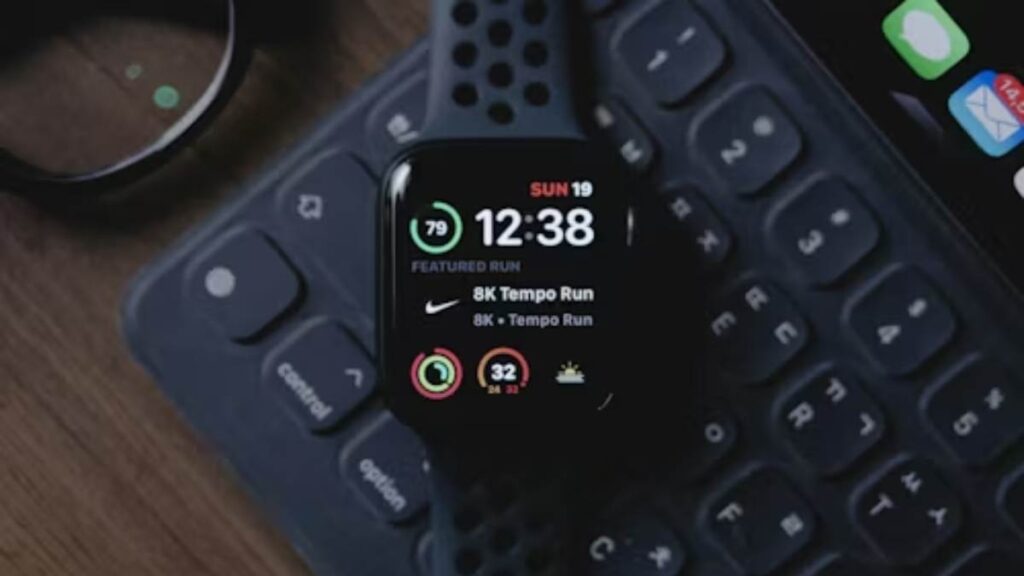
Nike and Apple is still one of the strongest co branding examples because it arrived before most consumers fully understood connected fitness.
Back when wearable tracking wasn’t mainstream yet, both companies recognized something important early: fitness was becoming digital whether the industry was ready or not.
Nike brought athletic credibility and an emotionally loyal customer base. Apple brought ecosystem design, hardware integration, and consumer tech adoption at scale.
Together, they created an experience neither brand could’ve built as effectively alone.
Nike+ ecosystem success
The Nike+ ecosystem initially connected running shoes with Apple devices to track workout performance. At the time, that felt surprisingly futuristic.
Today fitness tracking feels normal. Almost expected.
But the partnership helped train customers to think differently about exercise, data, and personalization years before fitness apps exploded everywhere.
That timing mattered a lot.
The collaboration wasn’t chasing a trend. It helped define one.
Brand alignment between fitness and technology
This partnership worked because the audience overlap already existed naturally.
Fitness enthusiasts were increasingly using mobile devices during workouts anyway. Apple and Nike simply connected behaviors customers already had instead of forcing entirely new habits.
The emotional alignment also made sense:
- Performance
- Innovation
- Personal progress
- Premium positioning
Nothing felt forced.
Key takeaway for brands
The strongest co branding campaigns often emerge from behavior shifts happening quietly in the background.
Nike and Apple succeeded because they noticed where customer habits were heading before the market fully matured.
Doritos and Taco Bell
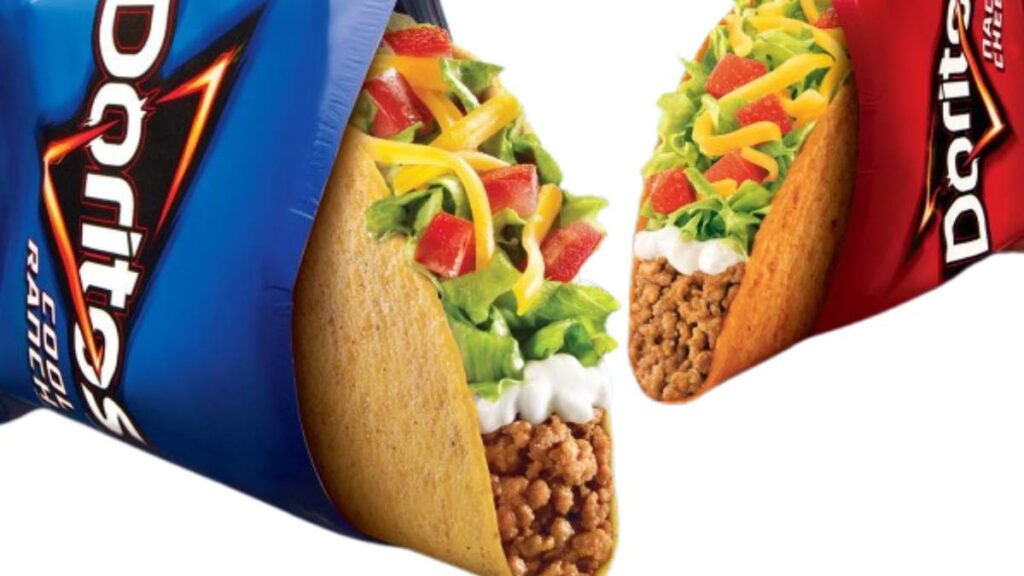
Some collaborations succeed because they’re technologically innovative. Others succeed because they’re instantly understandable.
Doritos Locos Tacos belonged firmly in the second category.
The idea sounded almost too simple: turn Doritos flavoring into a taco shell.
But simplicity is underrated in marketing.
The Doritos Locos Tacos phenomenon
The launch generated enormous demand almost immediately because consumers already understood both brands emotionally.
Doritos represented bold flavors and snack culture. Taco Bell represented fast-food experimentation and younger audiences willing to try unusual menu items.
The product combined those associations into something familiar but still new enough to feel exciting.
And importantly, customers didn’t need an explanation.
That reduced friction massively.
Product familiarity meets fast-food innovation
A lot of food collaborations fail because the novelty overwhelms practicality. This one balanced both surprisingly well.
Consumers already trusted the flavor profile before trying the product. The collaboration removed uncertainty while still creating curiosity.
That’s a difficult balance to achieve.
Lessons learned
Sometimes the best co branding ideas are built around emotional familiarity rather than complexity.
Customers adopted Doritos Locos Tacos quickly because the collaboration felt obvious in retrospect.
Those are usually the dangerous partnerships competitors underestimate initially.
Milka and Oreo
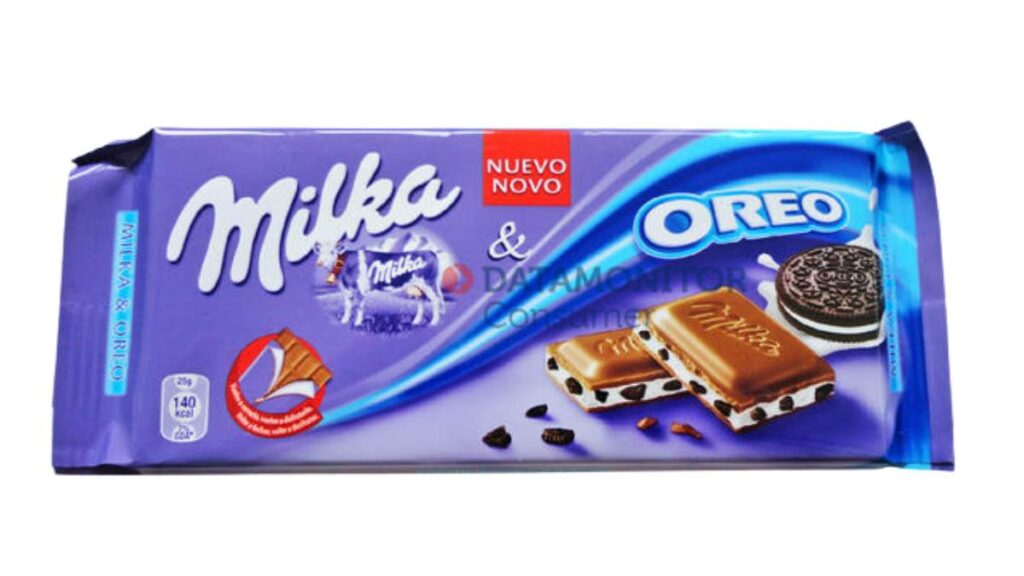
Milka and Oreo is a strong example of ingredient branding combined with complementary branding.
The partnership worked because trust already existed independently for both products. Consumers knew exactly what to expect from each brand before they ever saw them together.
That familiarity accelerated adoption very quickly.
Ingredient and complementary branding success
Milka already owned strong emotional positioning around soft chocolate products. Oreo carried enormous recognition in the biscuit and snack category.
Combining them created immediate product clarity.
Customers could visualize the taste experience instantly before purchasing.
That sounds small, but reducing uncertainty matters heavily in retail environments where decisions happen fast.
Why customer trust accelerated adoption
Trust transfers quickly when both brands already carry strong recognition.
Consumers weren’t evaluating whether the collaboration made sense technically. They simply assumed the product would probably taste good because both companies already had established reputations individually.
That’s one reason food co branding works so well when executed properly.
Taste expectations become easier to communicate through existing associations.
Adidas and Kanye West (Yeezy)
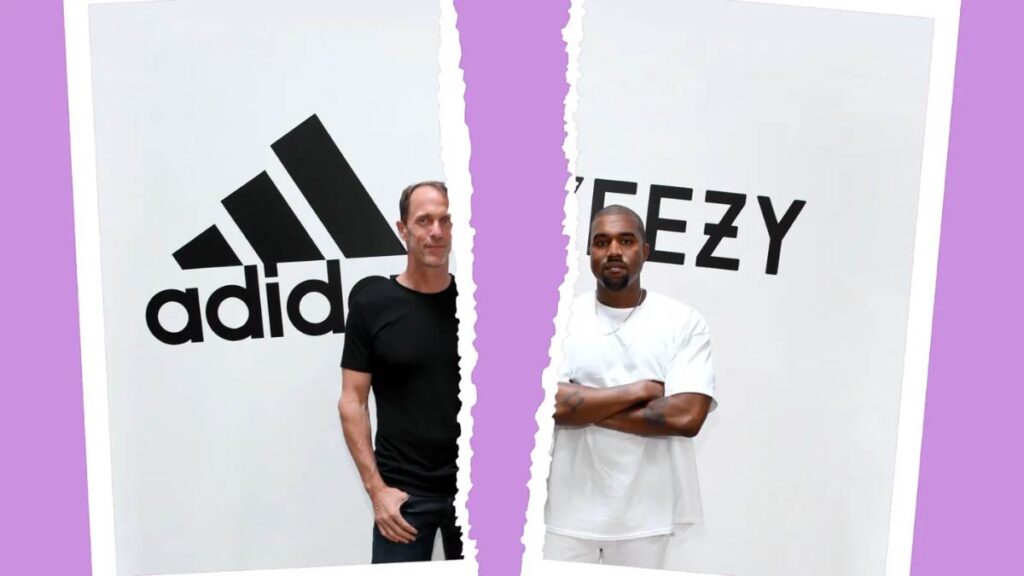
Few collaborations changed sneaker culture and brand perception as dramatically as Yeezy.
At one point, the partnership felt bigger than traditional footwear marketing entirely. It became identity-driven branding tied directly to exclusivity, hype culture, resale markets, and celebrity influence.
Cultural influence and exclusivity
The collaboration gave Adidas something incredibly valuable culturally: relevance inside conversations where Nike had historically dominated.
Kanye West brought audience attention, emotional loyalty, and creative unpredictability. Adidas provided manufacturing scale and global distribution.
The scarcity model amplified everything.
Limited drops created urgency while social media accelerated visibility around each release.
Customers weren’t simply buying shoes anymore. They were buying participation in a cultural moment.
Scarcity-driven brand demand
Scarcity was central to the partnership’s success.
Too much availability would’ve weakened exclusivity immediately. Instead, limited inventory increased emotional demand while strengthening resale value simultaneously.
That created a loop where hype reinforced visibility and visibility reinforced hype.
Fashion and sneaker brands still borrow heavily from this model today.
BMW and Louis Vuitton
Luxury co-branding works differently from mass-market collaborations.
The objective usually isn’t broad accessibility. It’s reinforcing aspiration, craftsmanship, and exclusivity through association.
BMW and Louis Vuitton executed this extremely well.
Luxury lifestyle co-branding
The partnership involved Louis Vuitton designing luxury luggage specifically tailored for BMW’s i8 sports car.
On paper, it sounds niche. Maybe even excessive.
But that was partly the point.
The collaboration reinforced both brands as symbols of a premium lifestyle rather than simply transportation or fashion companies.
Shared premium customer positioning
The audience alignment was exceptionally strong.
Both brands targeted consumers drawn toward:
- Design
- Status
- Precision
- Exclusivity
- Performance
The partnership extended naturally into lifestyle storytelling without feeling overly commercial.
Luxury collaborations tend to work best when subtlety exists underneath the branding itself.
Starbucks and Spotify
Not every successful co branding campaign revolves around physical products.
Starbucks and Spotify proved that experience-driven collaborations can strengthen customer engagement just as effectively.
Experience-driven brand collaboration
Music already shaped the Starbucks environment long before Spotify entered the picture.
The partnership simply digitized and personalized that experience further.
Customers could discover playlists played inside stores, interact with music more directly, and connect physical retail environments with digital listening behavior.
The collaboration felt useful rather than promotional.
That distinction mattered.
Digital engagement strategy
Spotify gained exposure inside Starbucks’ physical ecosystem while Starbucks modernized its customer experience digitally.
The integration also increased emotional engagement subtly. Music influences atmosphere heavily, especially in hospitality environments.
The brands understood that customer experience extends beyond products themselves.
Sometimes the environment becomes part of the branding.
Levi Strauss & Co. and Pinterest
Levi’s partnership with Pinterest reflected a larger shift happening in ecommerce and content behavior.
Shopping and discovery were starting to merge together.
Consumers increasingly moved from inspiration directly into purchasing decisions without wanting friction between the two.
Social commerce meets fashion discovery
Pinterest already functioned as a visual discovery platform heavily tied to lifestyle planning and fashion inspiration.
Levi’s recognized that behavior early.
The collaboration allowed users to explore products more seamlessly through visual content instead of traditional ecommerce flows alone.
That alignment made sense because denim purchases are often influenced emotionally through styling ideas rather than pure product specifications.
Omnichannel branding innovation
This partnership worked because it understood how modern customer journeys actually behave.
People rarely move through perfectly linear purchase funnels anymore.
Discovery, inspiration, research, social proof, and purchasing overlap constantly across platforms.
Levi’s positioned itself inside that behavior instead of fighting against it.
Apple and Mastercard
Digital payment adoption required more than technology. It required trust.
That’s where the Apple and Mastercard partnership became strategically important.
Trust-building through payment innovation
Consumers were still cautious about mobile payments during Apple Pay’s early rollout.
Apple brought ecosystem design and device integration. Mastercard contributed financial infrastructure and credibility customers already recognized.
Together, the partnership reduced psychological resistance around digital transactions.
That reassurance mattered heavily during adoption stages.
Consumer confidence factors
Payment behavior is emotional.
Customers may like innovation, but they still need confidence before changing financial habits. Mastercard’s involvement helped legitimize the experience while Apple simplified usability.
Strong fintech collaborations usually balance convenience with familiarity.
This partnership understood both sides.
Airbnb and Flipboard
Airbnb and Flipboard approached co branding through storytelling rather than direct transactions.
That made the collaboration feel softer, but strategically it was very smart.
Content-led co-branding strategy
Travel decisions are heavily influenced by imagination.
Airbnb already understood this. Flipboard helped extend that emotional storytelling through curated travel content, destination inspiration, and lifestyle-focused discovery experiences.
The collaboration wasn’t aggressively sales-driven.
Instead, it nurtured engagement through aspiration and exploration.
Storytelling for audience engagement
Good storytelling partnerships work because they align emotionally before selling commercially.
Airbnb benefited from richer content distribution while Flipboard strengthened engagement through travel-focused experiences readers genuinely enjoyed consuming.
Not every co-branding campaign needs immediate conversion pressure attached to it.
Amazon and Stripe
Some of the most influential co branding partnerships are nearly invisible to average consumers.
Amazon and Stripe fits that category.
Seamless infrastructure partnership
Stripe powers payment infrastructure for countless businesses online. Amazon’s scale required transaction systems capable of operating smoothly under enormous pressure.
The partnership focused less on visibility and more on reliability.
And reliability is often underrated in customer experience conversations.
How backend collaboration powers customer experience
Customers may never consciously think about payment infrastructure unless something breaks.
That’s the point.
Strong backend collaborations remove friction quietly. The experience feels seamless because the technology partnership functions properly behind the scenes.
Not every successful co branding effort needs flashy marketing attached.
Sometimes operational excellence becomes the brand experience.
Liquid Death and Yeti
Liquid Death built its brand around humor, anti-corporate energy, and unconventional lifestyle positioning. Yeti built around outdoor culture and rugged premium identity.
The overlap ended up stronger than many initially expected.
Lifestyle branding synergy
Both brands appealed to customers drawn toward outdoor identity, individuality, and slightly rebellious positioning.
The collaboration felt culturally aligned rather than strategically assembled.
That authenticity helped engagement significantly.
Audience overlap and viral appeal
Liquid Death especially understands internet-native branding behavior.
The company leans into absurdity, community engagement, and visual identity extremely well. Pairing with Yeti expanded those strengths into outdoor lifestyle positioning naturally.
The partnership generated visibility because it felt entertaining first and commercial second.
That order matters online.
GoPro and Red Bull
GoPro and Red Bull remains one of the best examples of content-driven co branding.
Both companies understood something many brands still struggle with: audiences engage with experiences more than products.
Content marketing co branding excellence
Neither company focused heavily on traditional advertising inside the partnership.
Instead, they built content ecosystems around extreme sports, adventure, and adrenaline-driven storytelling.
The products became part of the experience naturally.
GoPro captured action footage. Red Bull amplified cultural visibility through sponsorships, athletes, and events.
Together, the content became stronger than either brand could create independently.
Extreme sports audience alignment
The audience overlap was nearly perfect.
Both brands appealed to customers drawn toward risk, performance, excitement, and exploration.
The partnership felt inevitable because the emotional identity already matched so closely.
Uber and Spotify
Uber and Spotify succeeded because they improved a very small customer interaction in a surprisingly memorable way.
Personalization as a co branding tool
Passengers could control ride music through Spotify integration directly during Uber trips.
Functionally, it wasn’t revolutionary.
Emotionally though, it increased personalization and made rides feel more comfortable and familiar.
Tiny experience upgrades often influence brand loyalty more than giant campaigns do.
User experience enhancement
The collaboration reinforced both companies as technology-forward and customer-centric.
Importantly, the integration solved a real emotional friction point: discomfort inside unfamiliar ride environments.
Music personalization made the experience feel more controllable.
Customers remember that kind of detail.
H&M and Designer Collaborations
H&M practically turned designer co branding into a recurring business model.
The company consistently collaborates with luxury designers to create limited-edition collections that generate enormous demand globally.
Limited-edition urgency marketing
Scarcity drives these collaborations heavily.
Collections release in limited quantities, creating urgency and social buzz almost immediately. Customers line up physically and digitally because availability feels temporary.
That urgency amplifies earned media naturally.
High-fashion accessibility strategy
The partnerships also democratized designer fashion access in a way luxury brands hadn’t traditionally explored.
Consumers who couldn’t normally purchase high-end collections suddenly gained partial access to those aesthetics at lower price points.
Meanwhile, luxury designers gained broader cultural visibility without fully diluting exclusivity.
Balancing accessibility and prestige isn’t easy. H&M managed it remarkably well.
McDonald’s and Coca-Cola
Some co branding partnerships become so normalized that consumers stop consciously noticing them altogether.
McDonald’s and Coca-Cola falls into that category.
Long-term co branding dominance
The relationship spans decades and extends far beyond simple beverage distribution.
Coca-Cola became deeply embedded inside the McDonald’s customer experience globally. In many markets, consumers even associate Coca-Cola taste with McDonald’s specifically because of syrup delivery systems and serving consistency.
That level of integration is difficult to replicate.
Distribution and consistency advantages
The partnership works because both companies prioritize scale, consistency, and operational reliability extremely well.
Customers know what to expect almost anywhere in the world.
That predictability strengthens trust over time, even if consumers rarely think consciously about the partnership itself anymore.
And honestly, that may be the ultimate sign of successful co branding.
The collaboration becomes part of customer behavior so naturally that it stops feeling like marketing at all.

Enroll Now: Brand Management course
Advantages of a Co-Branding Campaign
A strong co-branding campaign can compress years of brand-building into months. That’s one reason companies across fashion, technology, food, finance, entertainment, and retail keep leaning into partnerships more aggressively every year.
The right collaboration changes perception fast.
Not magically, obviously. Weak partnerships still fail all the time. But when audience alignment, timing, and positioning connect properly, co-branding can create momentum that standalone campaigns struggle to generate on their own.
And honestly, customers tend to engage with collaborations differently than they engage with traditional advertising. Partnerships feel more dynamic. Less scripted. There’s built-in curiosity from the start.
That alone gives brands an advantage.
Faster Market Penetration
Entering new markets has always been expensive.
Whether it’s a new demographic, region, lifestyle category, or customer segment, brands usually need time to build awareness and trust independently. Co-branding shortens that process considerably because one company borrows familiarity from the other.
A newer brand partnering with an established company gains instant visibility inside existing customer ecosystems. Meanwhile, the established brand gains something too, usually relevance, innovation, or cultural access.
This is especially visible in industries targeting younger audiences.
Legacy companies often collaborate with creators, gaming platforms, streetwear brands, or digital-first startups because younger consumers rarely respond well to corporate messaging alone anymore. Partnerships act as bridges into communities that are otherwise difficult to enter authentically.
And when the collaboration feels natural, adoption speeds up quickly.
Shared Brand Equity
Brand equity takes years to build properly.
Trust, recognition, emotional association, positioning… none of that happens overnight. Co branding allows companies to partially share those assets instead of building every perception independently from scratch.
That transfer effect is powerful.
When customers already trust one brand, part of that credibility extends automatically to the collaboration partner. Not completely, of course. But enough to reduce hesitation.
This is why ingredient branding works so effectively. Intel benefited from computer manufacturers’ credibility while manufacturers benefited from Intel’s performance reputation.
The same psychology exists in modern creator partnerships too.
Consumers often decide how they feel about a collaboration before trying the product itself because emotional associations shape expectations so strongly.
Increased Customer Engagement
Collaborations naturally create conversation.
People discuss unexpected partnerships more than standard campaigns because there’s novelty attached. Customers compare reactions, speculate about launches, share products socially, and debate whether the collaboration “works.”
That interaction increases engagement before conversion even enters the picture.
And social platforms amplify this behavior heavily.
Limited-edition drops, celebrity partnerships, and crossover campaigns often generate disproportionate organic reach because audiences voluntarily participate in the conversation itself. Memes, unboxings, reactions, styling videos, reviews… all of that expands visibility without brands controlling every interaction directly.
Interestingly, the strongest co branding campaigns usually leave room for audiences to contribute culturally instead of just consume passively.
That participation layer matters.
Higher Conversion Rates
One underrated advantage of co branding is reduced decision friction.
Customers tend to purchase faster when something feels familiar already. The collaboration creates psychological reassurance because at least one side of the partnership already carries existing trust.
That familiarity influences conversions more than many brands realize.
A customer uncertain about trying a new product category may become comfortable once a recognizable brand gets attached to the experience. The emotional risk feels lower.
Strategic alignment also improves product clarity.
Consumers instantly understand combinations like:
- Spotify + Starbucks
- Nike + Apple
- Uber + Spotify
- Doritos + Taco Bell
The partnerships make intuitive sense immediately, which reduces explanation requirements and shortens the path toward purchase.
Stronger Product Differentiation
Modern markets are crowded almost everywhere now.
Products look similar. Features overlap constantly. Competitors copy positioning quickly. Co branding creates differentiation because the partnership itself becomes part of the product identity.
That uniqueness is difficult to replicate immediately.
Especially when the collaboration combines audiences, aesthetics, technology, or cultural positioning competitors don’t have access to.
Luxury fashion has mastered this approach for years. Limited collaborations create exclusivity while separating products from mass-market alternatives instantly.
But even outside luxury, differentiation matters heavily.
Customers remember collaborations because the partnership itself creates narrative around the product.
Narrative drives memory.
Viral Marketing Potential
Some co branding campaigns spread far beyond paid distribution because audiences genuinely enjoy discussing them.
That’s where viral momentum starts.
The internet tends to reward collaborations that feel surprising, culturally aware, emotionally nostalgic, or visually interesting. Sometimes controversy fuels attention too, though that’s a dangerous route to rely on intentionally.
The best viral collaborations usually share a few characteristics:
- Strong visual identity
- Clear emotional connection
- Audience overlap
- Cultural timing
- Limited availability
- Share-worthy novelty
Liquid Death understands this extremely well. So does Crocs. So do many streetwear brands.
People don’t only share the product. They share the reaction to the collaboration itself.
That distinction matters because reactions travel faster online than advertising messages do.
Are There Any Risks of Co Branding?
Co branding creates upside, but it also creates exposure.
That’s the tradeoff.
When two brands become publicly connected, perception transfers in both directions. Positive association can strengthen credibility, but problems spread quickly too. Sometimes faster than brands expect.
And honestly, many failed collaborations don’t fail because the idea itself was terrible. They fail because alignment wasn’t deeply considered beforehand.
A partnership may look exciting creatively while still being strategically unstable underneath.
Brand Reputation Risk
The biggest co branding risk is probably reputation spillover.
Once brands become associated publicly, one company’s controversy can affect the other almost immediately. Customers stop evaluating them independently for a while because the partnership links perception emotionally.
That becomes especially risky during long-term collaborations.
A celebrity scandal, corporate controversy, leadership issue, legal problem, or social backlash involving one partner can suddenly place the other company in defensive territory too.
And online reactions move incredibly fast now.
Brands don’t get much time to distance themselves once public sentiment shifts aggressively.
What happens if one brand faces controversy
When one partner faces backlash, the collaborating company usually has three difficult choices:
- Continue the partnership and absorb some criticism
- Pause the collaboration temporarily
- End the relationship publicly
None of those options are particularly comfortable operationally.
The Adidas and Kanye West situation highlighted this clearly. Yeezy had enormous commercial influence, but once controversy escalated, the partnership itself became reputationally unsustainable despite the financial success attached to it.
That’s why risk evaluation matters before partnerships launch, not after problems appear.
Audience Misalignment
Some collaborations fail simply because customers don’t understand why the brands are connected.
The audiences may be too disconnected emotionally, behaviorally, or culturally. When that happens, the partnership feels forced instead of exciting.
Consumers notice misalignment quickly.
A luxury brand partnering carelessly with a mass-market company risks damaging exclusivity. A sustainability-focused brand collaborating with companies criticized for unethical practices creates obvious tension.
And once audiences start questioning authenticity, engagement usually drops hard.
Poor customer fit challenges
Customer fit matters more than raw audience size.
A collaboration reaching millions of irrelevant people is usually weaker than one reaching a smaller but highly aligned audience. The emotional overlap matters.
Partnerships work best when customers can instinctively answer one question:
“Why do these brands belong together?”
If that answer feels unclear, confusion replaces curiosity.
Unequal Value Exchange
Not every co branding partnership benefits both sides equally.
Sometimes one company receives most of the attention, visibility, revenue, or cultural value while the other becomes almost invisible inside the collaboration.
That imbalance creates long-term tension very quickly.
Especially when expectations weren’t aligned properly before launch.
A smaller brand may contribute creativity and relevance while the larger company captures most of the commercial upside. Or the reverse may happen where a legacy brand provides infrastructure while a creator partner dominates audience engagement entirely.
Neither situation automatically kills a partnership, but imbalance creates friction over time.
One brand benefiting more than the other
The strongest collaborations create mutual gain clearly.
Both sides should leave the partnership stronger in some meaningful way:
- Revenue
- Visibility
- Positioning
- Customer acquisition
- Market access
- Cultural relevance
If only one side consistently benefits, resentment eventually affects execution quality too.
And customers often notice uneven dynamics faster than brands expect.
Creative and Strategic Conflict
Collaboration sounds exciting until operational realities appear.
Different brands usually have different approval processes, creative instincts, timelines, risk tolerance levels, and leadership structures. Coordinating all of that can become messy surprisingly fast.
Especially in larger organizations.
Creative disagreements are common because both companies want their identity represented correctly without losing control over brand standards.
That balancing act isn’t always smooth.
Brand messaging inconsistency
One major issue in co branding is tone inconsistency.
If the messaging feels fragmented, customers start experiencing the partnership as two competing voices instead of one unified experience.
This happens often when:
- Campaign goals differ internally
- Creative teams operate separately
- Positioning isn’t aligned properly
- One brand dominates communication too heavily
The collaboration starts feeling transactional instead of cohesive.
And once coherence disappears, customer trust weakens too.
Short-Term Buzz Without Long-Term Value
Some collaborations generate enormous attention initially but fade almost immediately afterward.
Buzz alone doesn’t guarantee brand value.
This is one reason marketers sometimes overestimate co branding performance. Social engagement numbers may look impressive during launch week while long-term business impact remains minimal.
Virality and strategic success are not always the same thing.
A collaboration may trend online briefly without strengthening customer loyalty, positioning, or retention meaningfully.
That’s why the strongest partnerships usually extend beyond novelty.
They create behavior change, ecosystem value, emotional connection, or lasting brand association instead of temporary visibility alone.
How to Build Successful Co Branding Partnerships
Good co branding rarely happens accidentally.
The partnerships that look effortless publicly are usually the result of extensive strategic alignment behind the scenes. Audience analysis, positioning discussions, legal negotiations, operational planning… there’s a lot underneath the surface most consumers never see.
And honestly, skipping the foundational work is where many collaborations collapse.
A visually impressive campaign can still fail if the partnership itself lacks strategic clarity.
Step 1: Define Strategic Objectives
Before brands even start evaluating potential partners, they need clarity around the actual goal.
That sounds obvious, but many collaborations begin with vague ambitions like “increase visibility” or “do something innovative.” Those objectives are too broad to guide execution properly.
The purpose needs to be specific.
Awareness, revenue, positioning, product launch
Different goals require completely different partnership structures.
Some brands pursue co branding to:
- Enter new demographics
- Increase product adoption
- Modernize perception
- Launch limited-edition products
- Improve cultural relevance
- Drive direct sales
- Generate media visibility
The objective shapes everything afterward:
- Creative direction
- Platform strategy
- Product design
- Pricing
- Distribution
- Success metrics
Without alignment early, campaigns drift later.
And once execution starts drifting, customer perception usually follows.
Step 2: Identify the Right Brand Partner
Finding the right partner matters far more than finding the biggest one.
Large audiences don’t automatically create successful collaborations. Alignment matters more than scale most of the time.
Especially now, when consumers evaluate authenticity very closely.
Audience overlap analysis
Audience compatibility should go deeper than demographics.
Brands need to examine:
- Lifestyle alignment
- Behavioral overlap
- Emotional positioning
- Purchase patterns
- Community culture
- Shared interests
Two audiences may technically fit the same age range while still responding completely differently to messaging and products.
That distinction matters a lot.
The strongest collaborations usually happen when customer mindsets overlap naturally.
Brand value compatibility
Values alignment is equally important.
Consumers increasingly pay attention to sustainability, ethics, inclusivity, quality standards, and cultural positioning. If brand values conflict visibly, audiences notice almost immediately.
Even a creatively strong campaign can struggle if the partnership feels emotionally inconsistent underneath.
Shared positioning creates trust.
Misalignment creates skepticism.
Market reputation review
Brands should also evaluate each other’s reputation stability carefully before committing publicly.
That includes:
- Public perception
- Past controversies
- Leadership credibility
- Customer sentiment
- Operational reliability
Because once the collaboration launches, reputational exposure becomes shared.
And reputation recovery is usually slower than campaign execution.
Step 3: Create Mutual Value
Healthy co branding partnerships create balanced upside.
If one company dominates benefits too heavily, tension usually appears eventually, even when launch performance initially looks strong.
Mutual value creates sustainability.
Win-win collaboration frameworks
Both sides should contribute meaningful assets into the partnership:
- Audience access
- Distribution
- Technology
- Cultural relevance
- Manufacturing
- Creative direction
- Loyalty ecosystems
And both sides should gain measurable outcomes in return.
Clear expectations reduce friction later.
The strongest collaborations feel collaborative operationally too, not just publicly.
Step 4: Build a Unified Campaign Strategy
Customers experience the partnership as one interaction, not two separate companies coordinating awkwardly behind the scenes.
That means the campaign has to feel unified.
Messaging consistency
The collaboration should communicate one clear emotional story.
Not competing narratives.
Customers should immediately understand:
- Why the partnership exists
- What value it creates
- Why the brands fit together
Confusing messaging weakens trust quickly.
Especially online where attention spans are short and reactions happen fast.
Creative alignment
Visual identity, tone, campaign timing, social strategy, and customer experience all need alignment too.
The strongest collaborations maintain recognizable brand traits from both companies while still feeling cohesive overall.
That balance is difficult sometimes.
Too much separation weakens integration. Too much blending can dilute identity.
Good creative direction sits somewhere between both extremes.
Step 5: Establish Legal Agreements
This part is less glamorous, but incredibly important.
Even strong partnerships can become operational disasters without clear legal structure behind them.
IP rights
Brands need clarity around:
- Trademark usage
- Product ownership
- Creative assets
- Licensing terms
- Usage timelines
Especially in long-term collaborations or product-focused partnerships.
Intellectual property disputes can damage relationships quickly if expectations remain vague.
Branding guidelines
Both companies also need approval systems and brand usage standards documented clearly.
This includes:
- Visual identity rules
- Tone guidelines
- Campaign approvals
- Social media usage
- Crisis communication procedures
Because once campaigns launch publicly, inconsistency becomes highly visible.
Revenue-sharing structure
Revenue allocation should be transparent early.
Not after the campaign succeeds.
Clear agreements reduce future tension around:
- Profit splits
- Production costs
- Licensing fees
- Marketing investments
- Distribution margins
Operational trust matters just as much as creative alignment.
Step 6: Launch, Track, and Optimize
Launching the partnership is only the beginning.
The strongest co branding campaigns evolve based on customer response, performance data, and cultural momentum after release.
Performance KPIs
Brands should track metrics tied directly to original objectives:
- Sales impact
- Customer acquisition
- Engagement rates
- Brand sentiment
- Social visibility
- Loyalty growth
- Media coverage
Vanity metrics alone rarely tell the full story.
A campaign generating massive impressions but weak conversion or retention may not actually deliver meaningful business value.
Campaign refinement process
Customer feedback often reveals opportunities brands didn’t predict initially.
Maybe audiences respond more strongly to one product variation. Maybe one platform performs disproportionately better. Maybe the emotional positioning shifts unexpectedly during launch.
Strong brands adapt quickly.
The best collaborations stay flexible enough to evolve instead of rigidly protecting the original plan.
Co Branding Partnerships: What Determines Success?
Some partnerships look perfect on paper and still fail.
Others seem risky initially but end up reshaping industries entirely.
That unpredictability is part of what makes co branding interesting in the first place. But despite the variation, successful collaborations usually share a handful of consistent traits underneath.
Not formulas exactly. More like patterns.
Audience Compatibility
Audience compatibility is the foundation everything else sits on.
Without it, even great creative execution struggles.
Customers need to feel like the collaboration belongs naturally inside their world already. The emotional logic has to click quickly.
That doesn’t mean both brands need identical audiences either.
Actually, the strongest partnerships often involve adjacent audiences rather than fully overlapping ones. Enough similarity to feel familiar. Enough difference to create growth opportunity.
That balance matters.
Brand Reputation Alignment
Reputation transfer is one of co branding’s biggest strengths and biggest risks simultaneously.
Customers associate qualities between brands automatically once a partnership becomes public.
Luxury transfers prestige.
Technology transfers innovation.
Creators transfer cultural relevance.
Trusted companies transfer credibility.
But the opposite happens too. Weak reputation alignment creates tension quickly.
Consumers notice inconsistency faster now because social conversations move publicly and collectively online. Partnerships get analyzed almost immediately after launch.
If the emotional fit feels wrong, audiences react accordingly.
Shared Goals
A surprising number of collaborations underperform because the brands involved want completely different outcomes.
One company may prioritize visibility while the other focuses on direct revenue. One may care about long-term positioning while the other wants immediate social traction.
That disconnect creates execution problems very quickly.
Strong partnerships align expectations early:
- What defines success?
- What metrics matter most?
- What timeline matters?
- What risks are acceptable?
Clear objectives create cleaner collaboration.
Without them, campaigns often become creatively scattered and operationally frustrating.
Execution Quality
Good ideas still require strong execution.
Customers may initially notice a partnership because the concept sounds interesting, but long-term perception depends on experience quality.
That includes:
- Product quality
- User experience
- Campaign consistency
- Timing
- Distribution
- Customer support
- Technical performance
Weak execution damages trust quickly because expectations rise higher during collaborations.
Consumers assume combined expertise should produce stronger experiences, not weaker ones.
Authenticity and Storytelling
Authenticity gets overused in marketing conversations, but it matters heavily in co branding because partnerships invite scrutiny naturally.
Customers ask questions immediately:
- Why are these brands working together?
- Does this collaboration make sense?
- Is the partnership meaningful or just attention-seeking?
The strongest campaigns answer those questions through storytelling rather than explanation.
Good storytelling creates emotional logic around the collaboration.
It helps customers feel the connection instead of analyzing it mechanically.
And honestly, emotional coherence often matters more than strategic complexity.
Long-Term Strategic Vision
Short-term hype fades quickly.
The collaborations with lasting impact usually connect to broader strategic direction rather than temporary trend chasing.
Nike and Apple aligned around the future of connected fitness.
Starbucks and Spotify aligned around customer experience ecosystems.
GoPro and Red Bull aligned around adventure content culture.
The partnerships extended beyond campaigns because the underlying vision was larger than promotion itself.
That long-term thinking creates stronger customer memory over time.
And in crowded markets, memory is incredibly valuable.
Do Big Companies Collaborate With Small Brands?
Absolutely. And it’s happening more often now than it did a decade ago.
For a long time, co branding was mostly associated with massive corporate partnerships. Big retail chains. Global tech companies. Luxury collaborations. But the landscape has shifted. Large companies increasingly partner with smaller brands because cultural influence no longer belongs only to corporations with billion-dollar ad budgets.
In many cases, smaller brands move faster, connect more deeply with niche communities, and shape trends earlier than legacy companies do.
That matters.
Consumers today pay attention to authenticity, identity, and community relevance in ways that traditional mass marketing struggles to replicate. A small brand with a highly loyal audience can sometimes generate more meaningful engagement than a much larger company with broad but shallow reach.
Big brands know this now. Which is why partnerships between established corporations and emerging brands have become a serious growth strategy rather than just an occasional experiment.
Why Large Brands Partner With Emerging Brands
Large companies don’t collaborate with smaller brands out of generosity. There’s usually strategic value involved.
Sometimes the smaller company brings innovation. Sometimes cultural relevance. Sometimes access to a niche audience that larger brands cannot reach naturally on their own.
And honestly, big brands often struggle with agility.
Smaller companies tend to adapt faster to shifts in culture, design trends, digital behavior, and community-driven branding. They can experiment more freely because there’s less bureaucracy involved.
That flexibility becomes extremely attractive to enterprise-level brands trying to stay modern.
Innovation access
Smaller brands often innovate faster because they’re closer to emerging customer behavior.
They spot micro-trends early. They test products quickly. They build communities before larger competitors even notice the opportunity.
Large companies frequently partner with startups or independent brands to gain access to:
- New product ideas
- Fresh creative direction
- Emerging technology
- Direct community feedback
- New business models
This happens constantly in beauty, fashion, wellness, food, and technology sectors.
Instead of building innovation internally from scratch, established companies sometimes collaborate with brands already shaping the category.
It’s faster. Less risky too.
Cultural relevance
One major challenge for legacy brands is staying culturally current without looking forced.
Consumers can usually tell when a corporation is trying too hard to appear trendy. Partnerships with smaller culturally respected brands help bridge that gap more naturally.
Streetwear has influenced this heavily.
Luxury fashion companies now collaborate with independent designers, artists, musicians, and niche fashion labels because younger audiences value cultural credibility more than polished corporate image alone.
The smaller brand contributes authenticity.
The larger brand contributes scale.
When done properly, both sides benefit.
Niche audience reach
Smaller brands often have extremely focused communities.
Not huge audiences necessarily. But highly engaged ones.
That level of engagement matters because modern marketing is increasingly community-driven rather than purely reach-driven. A niche audience with strong emotional loyalty can create disproportionate influence online.
Large companies understand this.
Instead of trying to appeal broadly to everyone at once, many brands now pursue smaller but highly aligned communities through partnerships.
Especially in categories like:
- Fitness
- Gaming
- Sustainable fashion
- Outdoor lifestyle
- Creator commerce
- Specialty food and beverage
- Beauty
The internet rewards niche influence more than generic mass messaging now.
Examples of Big Brand and Small Brand Collaborations
Some of the most successful modern collaborations involved emerging brands before they became globally dominant.
Supreme’s partnerships with luxury brands changed how high-fashion collaborations worked entirely. Liquid Death grew rapidly through unconventional partnerships and strong lifestyle branding despite competing in a category as ordinary as canned water.
In beauty, large retailers regularly collaborate with indie cosmetic brands because smaller communities often shape purchasing trends earlier than mainstream campaigns do.
Even tech companies partner with smaller startups constantly through integrations, ecosystem partnerships, and product collaborations.
The pattern is pretty consistent:
- Smaller brand brings cultural momentum
- Larger brand brings infrastructure and scale
- Customers get something that feels fresher than traditional corporate marketing
And that freshness matters more than many executives initially expect.
How Small Businesses Can Pitch Big Brands
Smaller companies often assume large brands only care about audience size.
That’s not entirely true.
Big companies usually care more about strategic fit than follower counts alone. A smaller brand with strong positioning and clear audience identity can absolutely attract partnership interest.
But the pitch needs substance.
Large brands want evidence that the collaboration creates measurable value rather than vague “exposure.”
Smaller businesses should focus on:
- Audience engagement quality
- Brand identity clarity
- Community loyalty
- Unique positioning
- Product differentiation
- Cultural relevance
- Creative concept strength
The strongest partnership pitches are specific.
Not “we’d love to collaborate someday.”
More like:
- Here’s the audience overlap
- Here’s the campaign concept
- Here’s the customer benefit
- Here’s why the timing works
- Here’s how both brands win
Clarity increases credibility immediately.
And honestly, many large companies actively look for emerging brands now because cultural innovation rarely starts inside corporate boardrooms anymore.
Who Bears the Cost of Co Branding?
One of the most common misconceptions about co branding is that costs are always split evenly.
That rarely happens in practice.
The financial structure behind a partnership usually depends on leverage, audience size, production complexity, campaign goals, distribution ownership, and negotiation strength. Every collaboration operates differently behind the scenes.
Some partnerships involve nearly equal investment. Others are heavily weighted toward one side.
There’s no universal model.
What matters is whether both companies believe the value exchange feels fair relative to the expected outcome.
Shared Investment Models
In many co branding campaigns, both brands contribute financially based on their role within the collaboration.
A company handling manufacturing may absorb production costs while the other invests more heavily in marketing and promotion. Sometimes one brand funds media buying while the other contributes distribution infrastructure or creator relationships.
The structure depends on what each company brings into the partnership.
And honestly, non-financial contributions matter more than people realize.
One brand may contribute:
- Retail access
- Technology infrastructure
- Licensing rights
- Product development
- Celebrity relationships
- Social reach
- Creative direction
Those assets carry economic value too, even if they don’t appear directly in the cash investment structure.
That’s why cost-sharing discussions can become surprisingly complex.
Budget Allocation Structures
Most co branding campaigns divide budgets into operational categories first before assigning financial responsibility.
Typical categories include:
- Product development
- Packaging and design
- Manufacturing
- Advertising
- Influencer campaigns
- PR and media outreach
- Retail distribution
- Social content production
- Legal and licensing fees
Once the campaign structure becomes clear, brands negotiate contribution percentages based on expected upside and strategic importance.
Larger companies don’t always pay more automatically either.
If a smaller brand contributes most of the cultural value driving the campaign’s attention, its leverage increases considerably during negotiations.
That dynamic has shifted a lot in recent years because audience influence is no longer controlled purely by corporate scale.
Revenue Sharing Agreements
Revenue sharing depends heavily on the collaboration model.
If both companies co-create a product directly, profits are usually divided based on negotiated percentages tied to:
- Investment contribution
- Intellectual property ownership
- Manufacturing responsibility
- Distribution control
- Licensing arrangements
In celebrity collaborations, royalty structures are extremely common.
The creator or partner brand may receive a percentage of product sales instead of fixed upfront compensation. This creates shared incentive around campaign performance.
Fashion and footwear industries use this structure constantly because it aligns long-term interest between both parties.
And when collaborations become culturally successful, royalties can become enormous revenue streams on both sides.
Negotiating Fair Cost Splits
Fairness matters more than strict equality.
A perfectly equal cost split may still feel unfair if one company contributes substantially more visibility, audience influence, or operational responsibility.
That’s why experienced brands focus on proportional value rather than mathematical symmetry.
Good negotiations usually address three core questions early:
- Who carries the biggest financial risk?
- Who controls the customer relationship?
- Who benefits most long-term?
Those answers shape the structure significantly.
Strong partnerships stay transparent about expectations from the beginning because resentment over investment imbalance tends to surface later if conversations remain vague upfront.
And once public campaigns launch, financial tension becomes much harder to resolve quietly.
How to Measure the Success of Co Branding Campaigns
One of the biggest mistakes brands make with co branding is evaluating success too narrowly.
A campaign can generate huge engagement while failing commercially. Or it may produce moderate social traction but significantly improve long-term customer loyalty and positioning.
Not every partnership exists for the same reason.
That’s why measurement has to connect directly to the original strategic objective rather than chasing vanity metrics alone.
A luxury collaboration focused on exclusivity should not be measured exactly like a mass-market customer acquisition campaign. Different goals require different evaluation models.
Still, there are a few core performance categories most brands track consistently.
Brand Awareness Metrics
For many collaborations, visibility is one of the primary goals.
Especially when entering new markets, targeting younger demographics, or trying to improve cultural relevance.
Brand awareness metrics help companies understand whether the partnership successfully expanded public attention and recognition.
Reach
Reach measures how many people were exposed to the campaign across platforms.
This includes:
- Social media visibility
- Influencer amplification
- Paid advertising exposure
- Press coverage
- Retail visibility
- Organic sharing
Strong co branding campaigns often outperform standalone campaigns in reach because both brands activate separate audience ecosystems simultaneously.
That audience crossover creates amplification naturally.
Impressions
Impressions track total content exposure frequency rather than unique users.
This metric matters because repeated visibility strengthens brand memory over time. Customers usually need multiple touchpoints before forming meaningful recall around collaborations.
Particularly in crowded markets.
A campaign people encounter repeatedly across social media, retail stores, press articles, and creator content tends to create stronger perception shifts than isolated exposure alone.
PR mentions
Media attention remains incredibly valuable in co branding.
Good collaborations generate earned coverage because journalists, creators, and audiences often find unexpected partnerships newsworthy organically.
PR measurement typically includes:
- Press mentions
- Editorial features
- Industry coverage
- Creator discussion
- Podcast references
- Video commentary
And honestly, qualitative media sentiment sometimes matters more than raw volume.
A smaller number of highly respected publications can influence perception more strongly than massive low-quality coverage.
Customer Engagement Metrics
Attention matters. Engagement matters more.
Strong co branding campaigns usually create active participation rather than passive visibility alone.
Customers discuss the collaboration, share reactions, create content, review products, and interact socially around the campaign itself.
That participation signals emotional investment.
Social shares
Social sharing is often one of the clearest indicators that a collaboration connected culturally.
People share partnerships when they feel:
- Surprising
- Exclusive
- Nostalgic
- Funny
- Stylish
- Relevant
- Emotionally aligned
Organic sharing extends campaign reach far beyond paid distribution.
And unlike advertising impressions, shares often carry personal endorsement attached.
That changes how audiences perceive the campaign.
Time on page
For digital campaigns, engagement depth matters too.
Time-on-page metrics help brands understand whether audiences actually explored the collaboration meaningfully or bounced immediately after initial curiosity.
Longer engagement usually signals stronger interest and clearer customer alignment.
Especially in product storytelling campaigns or interactive collaborations.
Campaign interaction
Brands also track direct interaction metrics like:
- Comments
- Saves
- Click-through rates
- Product customization usage
- App engagement
- Playlist participation
- User-generated content
The strongest collaborations often create participation loops where customers become part of the campaign experience itself.
That interaction layer strengthens memory and emotional connection.
Revenue Metrics
At some point, most co branding campaigns still need commercial validation.
Visibility without business impact becomes difficult to justify repeatedly.
Revenue metrics help brands evaluate whether the collaboration influenced actual purchasing behavior.
Sales lift
Sales lift measures incremental revenue generated during and after the campaign period compared to normal performance baselines.
This can include:
- Direct product sales
- Bundle purchases
- Subscription increases
- Retail performance spikes
- Average order value improvements
Limited-edition collaborations often generate sharp short-term sales spikes due to urgency and scarcity psychology.
But sustained sales impact matters too.
Customer acquisition cost
Customer acquisition cost becomes especially important when collaborations aim to reach new demographics or customer segments.
If co branding lowers acquisition costs compared to traditional advertising channels, the partnership may deliver long-term efficiency benefits beyond immediate revenue.
That’s one reason brands continue investing in creator collaborations heavily.
Established audience trust reduces conversion friction significantly.
Conversion rates
Conversion measurement reveals whether awareness actually translated into action.
Strong conversion rates usually indicate:
- Good audience alignment
- Clear customer value
- Effective positioning
- Product-market fit
- Strong emotional relevance
Weak conversion despite strong engagement often signals disconnect between attention and actual purchasing intent.
That distinction matters.
Brand Sentiment Analysis
Not all campaign outcomes appear immediately in sales reports.
Some partnerships shift brand perception gradually over time.
Sentiment analysis helps companies evaluate emotional response surrounding the collaboration:
- Positive reactions
- Negative criticism
- Cultural acceptance
- Brand perception changes
- Audience trust signals
This is especially important for repositioning campaigns.
A legacy brand collaborating with younger creators, for example, may prioritize sentiment improvement before short-term revenue growth.
Because perception changes often happen before purchasing behavior changes.
And in modern branding, perception drives almost everything eventually.
Common Challenges in Co Branding Partnerships
Co branding looks exciting publicly. Behind the scenes, though, partnerships can become surprisingly complicated.
Different leadership teams. Different priorities. Different timelines. Different creative instincts. Sometimes even different definitions of success.
That complexity is why many collaborations underperform despite strong initial potential.
The idea may be good. The execution becomes the problem.
And honestly, operational friction tends to increase the larger the brands involved become.
Misaligned Brand Identity
Brand identity misalignment is probably the most common reason partnerships feel awkward to customers.
The collaboration may look strategically attractive internally while emotionally confusing externally.
Consumers notice disconnect quickly.
If one brand represents affordability while the other relies heavily on exclusivity, tension appears immediately. If one company emphasizes sustainability while the partner faces constant criticism around ethics or waste, audiences start questioning authenticity.
Modern customers are extremely sensitive to contradiction.
Especially online, where public commentary spreads fast.
The strongest collaborations usually share emotional territory naturally:
- Innovation
- Creativity
- Adventure
- Luxury
- Simplicity
- Performance
- Community
Without shared emotional positioning, campaigns often feel manufactured.
Uneven Marketing Contribution
Not all partners contribute equally after launch.
Sometimes one company drives most of the promotion while the other remains relatively passive. Other times one brand dominates social conversation entirely while the partner struggles to gain visibility from the collaboration.
That imbalance creates frustration internally.
Especially if investment expectations weren’t clearly defined beforehand.
Marketing contribution includes more than budget too.
Brands contribute differently through:
- Social reach
- PR support
- Retail distribution
- Creator relationships
- Community engagement
- Paid advertising
- Creative production
If customers perceive the collaboration as belonging mostly to one company, the weaker partner may receive little meaningful benefit despite substantial investment.
Customer Confusion
Some collaborations fail because consumers simply don’t understand them.
The partnership may make sense strategically inside corporate discussions while feeling unclear in the real world.
Customers should instantly grasp:
- Why the brands are collaborating
- What value the partnership creates
- Why the combination matters
If too much explanation becomes necessary, momentum weakens quickly.
Confusion usually appears when:
- Audience overlap is weak
- Product integration feels forced
- Messaging lacks clarity
- Brand positioning conflicts
- Campaign storytelling feels incomplete
And once confusion replaces curiosity, engagement tends to fall sharply.
Because customers rarely invest energy decoding unclear branding.
Contractual Disputes
Legal complexity increases significantly in co branding partnerships.
Especially when intellectual property, licensing rights, revenue sharing, or creative ownership become involved.
Even strong partnerships can deteriorate if contractual expectations remain vague early on.
Common conflict areas include:
- Trademark usage
- Product ownership
- Distribution rights
- Exclusivity agreements
- Revenue allocation
- Campaign approval authority
- Geographic limitations
Long-term collaborations become particularly sensitive because priorities evolve over time.
A partnership that feels balanced initially may become uneven later if one company grows faster or gains disproportionate visibility from the campaign.
That’s why experienced brands invest heavily in legal clarity before public launch.
Operational trust depends on it.
Campaign Performance Issues
Not every collaboration performs the way brands expect.
Sometimes audience excitement never materializes. Sometimes engagement looks strong but sales remain weak. Sometimes operational problems damage customer experience during launch.
Execution risk is always present.
Limited-edition drops may face inventory shortages. Digital integrations may create technical issues. Messaging may resonate differently across markets than anticipated.
And because co branding campaigns usually attract more public attention than standard launches, performance problems become highly visible very quickly.
The internet tends to amplify disappointment aggressively when expectations are high.
That’s why flexibility matters.
Strong brands monitor campaigns actively after launch and adjust quickly instead of protecting failing strategies out of pride.
Future Trends in Co Branding
Co branding is starting to look very different from what it did even five or six years ago.
Earlier, most partnerships were built around attention. Big launch. Big celebrity. Limited drop. A few viral posts and maybe a waiting list if things went well. That model still works sometimes, sure, but customers have become harder to impress. They’ve seen too much.
Now the partnerships getting traction tend to feel more connected to everyday behavior. Less “campaign,” more actual usefulness.
And honestly, that shift was probably inevitable.
People move across platforms, communities, subscriptions, apps, creators, and devices all day long. Brands are adapting to that behavior instead of trying to interrupt it constantly.
AI-Powered Brand Collaborations
A lot of future co branding partnerships will revolve around personalization. Not just product collaboration.
Personalized recommendations. Dynamic shopping experiences. Shared customer ecosystems. Smarter loyalty systems. Things like that.
Retail companies are already partnering with streaming platforms, payment providers, and wellness apps to create connected experiences that adjust based on customer behavior. Sometimes subtly. Sometimes very aggressively.
The interesting part is that consumers barely separate categories anymore. A fitness app recommending nutrition products no longer feels strange. A music platform influencing fashion purchases feels normal too. Boundaries between industries are getting blurry.
That’s pushing collaborations into deeper territory.
Not every tech-driven partnership works, though. Some brands still overcomplicate things because the technology sounds impressive internally, but customers don’t actually care. Happens more often than marketers admit.
The partnerships that succeed usually make life easier in some way. Faster checkout. Better recommendations. More relevant experiences. Less friction.
Simple things, really.
Sustainability-Focused Co Branding
Sustainability partnerships are becoming more serious now. Less performative.
A few years back, brands could launch a “green campaign” with recycled packaging and vague messaging and get away with it. Customers are much sharper now. They look deeper.
They ask uncomfortable questions.
Where is the product sourced?
Who manufactures it?
What happens after disposal?
Is the partnership actually reducing waste or just creating another marketing story?
That pressure has changed how brands approach sustainability collaborations.
Fashion companies are partnering with resale platforms and material innovation startups. Food brands are working directly with regenerative agriculture businesses. Even logistics companies are entering sustainability-led partnerships because delivery emissions have become part of brand perception.
And there’s a practical reason behind all this too. Sustainability collaborations help reduce reputational risk. Consumers increasingly connect ethics with purchasing decisions, especially younger audiences.
Though if the alignment feels fake, backlash comes quickly. Probably quicker than before.
Creator-Led Brand Partnerships
This trend is only getting bigger.
Brands still work with celebrities, obviously, but creators with smaller and deeply loyal audiences are becoming far more valuable in many industries. Especially beauty, fitness, gaming, fashion, and lifestyle brands.
The reason is trust.
People often trust creators who feel specific and consistent more than celebrities trying to promote everything at once. Audiences can tell when a partnership feels transactional. They can also tell when the creator actually shaped the product or campaign direction.
That difference matters.
The strongest creator partnerships usually feel like extensions of the creator’s personality rather than traditional advertisements. The audience sees continuity instead of interruption.
And brands benefit from that emotional connection.
There’s also less distance between creators and customers now. Communities interact directly. Feedback loops happen publicly. That changes how collaborations evolve after launch too.
Some campaigns almost feel community-built halfway through.
Web3 and Digital Product Collaborations
This space has matured a little. Not completely, but enough to become more practical.
Early digital collaborations mostly chased hype. NFT collections launched everywhere because brands were afraid of missing the trend. A lot of those projects disappeared quietly afterward.
Now the focus is shifting toward utility and identity.
Gaming companies, luxury brands, sports franchises, and entertainment platforms are exploring digital ownership tied to real experiences. Exclusive access. Virtual merchandise. Membership ecosystems. Digital collectibles connected to physical products.
That hybrid model seems more sustainable than pure speculation-driven campaigns.
Luxury fashion is especially active here because digital identity has become part of status culture online. Customers increasingly care about how they present themselves digitally, not just physically.
It sounds niche at first. But honestly, so did social commerce years ago.
Hyper-Personalized Co Branding Campaigns
Mass-market campaigns are losing some effectiveness because audiences expect relevance now. Not generic visibility.
That’s pushing co branding into more personalized territory.
Instead of one collaboration rolled out identically everywhere, brands are creating regional campaigns, behavior-based offers, personalized bundles, and segmented customer experiences.
Streaming services already personalize entertainment recommendations. Retail partnerships are now doing similar things with products, offers, and loyalty experiences.
Some fast-food collaborations even change based on geography and local customer behavior patterns.
And customers respond well when the experience feels tailored instead of mass-produced.
The broader pattern here is pretty clear. People want brands to understand context. Not just demographics.
The future of co branding probably belongs to partnerships that feel integrated into people’s lives naturally, almost quietly sometimes, instead of constantly demanding attention.
Conclusion:
Why Co Branding Works When Done Right
Co branding works because customers rarely experience brands in isolation anymore.
People move through connected ecosystems all day. Music apps connect with cafés. Payment systems connect with smartphones. Fashion overlaps with gaming. Fitness overlaps with technology. The customer journey itself has become interconnected, so naturally, branding has followed the same direction.
That’s why the best collaborations feel obvious after seeing them. Almost inevitable.
Not because the campaign was clever, but because the partnership actually made sense in the customer’s world.
And that part matters more than flashy creative most of the time.
Key lessons from successful co branding examples
Looking across successful partnerships, a few patterns show up repeatedly.
Strong collaborations usually share:
- Audience compatibility
- Clear value exchange
- Natural positioning
- Emotional or practical relevance
- Consistent execution
But even then, execution still decides everything.
Some partnerships look perfect on paper and fail because the customer experience feels forced. Others succeed because they solve a tiny but meaningful friction point customers already felt.
Uber and Spotify worked partly because personalization made the experience feel smoother. Nike and Apple succeeded because fitness and technology already overlapped in people’s lives before the collaboration existed officially.
The partnership simply formalized a behavior that was already happening.
That’s often where the smartest co-branding ideas come from, actually. Existing customer behavior.
How brands can create winning partnerships
A lot of brands approach collaborations backwards. They chase visibility first and logic second.
Usually doesn’t end well.
The stronger approach is starting with customer relevance:
What improves when these brands work together?
What becomes easier?
More enjoyable?
More aspirational?
More convenient?
If those answers are unclear, the collaboration often struggles no matter how famous the brands are.
There also needs to be balance. One-sided partnerships tend to create tension eventually, even if the launch performs well initially.
Customers notice imbalance too. Sometimes subtly.
Final strategic takeaways for long-term collaboration success
The future of co-branding will probably become even more ecosystem-driven. More integrated. More personalized. Less dependent on traditional campaign structures.
But the fundamentals are unlikely to change much.
Customers still respond to trust.
Still respond to relevance.
Still respond to authenticity, even if brands overuse that word constantly now.
At the end of the day, co branding succeeds when the partnership creates something customers genuinely value instead of something designed purely to generate temporary buzz.
And honestly, that difference becomes very obvious over time.
Some collaborations disappear within weeks.
Others quietly reshape entire categories.
FAQs:
What is co branding and examples?
Co branding is a strategy where two brands collaborate on a shared product, campaign, or customer experience. The goal is usually to combine audience trust, visibility, and market strength. Well-known examples include Nike and Apple, Starbucks and Spotify, and Taco Bell with Doritos. These partnerships worked because customers instantly understood the connection between both brands.
Why is co branding effective?
Co branding works because it reduces customer hesitation. When people already trust one brand, they become more open to trying the partner brand too. Good collaborations also create novelty and conversation naturally. Instead of feeling like advertising, the partnership often feels like a product or experience customers actually want to explore, which changes engagement completely.
What are the 3 levels of co branding?
The three main types are ingredient branding, complementary branding, and cooperative branding. Ingredient branding focuses on one branded component inside another product, like Intel processors in laptops. Complementary branding combines products that improve each other’s experience. Cooperative branding usually involves loyalty programs, shared promotions, or audience partnerships between brands serving related customer groups.
What is the main disadvantage of co branding?
The biggest risk is reputation spillover. If one brand faces controversy, poor customer feedback, or operational problems, the partner brand can also suffer by association. Co branding can also fail when audience alignment is weak or the partnership feels unnatural. Customers are usually quick to sense when collaborations exist purely for publicity rather than genuine value.
How do I identify suitable brands for a co-branding partnership?
Strong co branding partners usually share audience overlap, compatible values, and complementary strengths. The partnership should make intuitive sense to customers without requiring too much explanation. Brands should also evaluate reputation, long-term goals, and market positioning before collaborating. A partnership may generate attention initially, but without alignment, sustaining customer interest becomes difficult over time.
What are common challenges in co branding campaigns?
Common issues include creative disagreements, uneven marketing contribution, unclear campaign goals, and audience mismatch. Sometimes one brand gains significantly more value than the other, which creates friction internally. There’s also the challenge of maintaining consistent messaging across teams. Even strong partnerships can struggle if execution feels disconnected or the customer experience becomes confusing.
How can I measure co branding success?
Success can be measured through awareness, engagement, revenue impact, and brand sentiment. Companies often track impressions, social conversations, conversion rates, earned media coverage, and customer acquisition metrics. Long-term indicators matter too, especially audience perception and loyalty growth. Some collaborations drive immediate sales, while others create stronger positioning benefits that become visible more gradually over time.
Can small businesses benefit from co branding?
Absolutely. Smaller brands often benefit even more because partnerships help accelerate trust and visibility without massive advertising budgets. A well-matched collaboration can introduce a smaller company to highly engaged audiences much faster than standalone campaigns. The key is choosing partners with aligned customer interests rather than simply chasing larger brands with broader market recognition.
Are there legal considerations in co branding agreements?
Yes, and they’re extremely important. Co branding agreements usually define logo usage, intellectual property rights, campaign responsibilities, exclusivity terms, revenue sharing, and exit conditions. Without clear legal structure, misunderstandings happen quickly, especially around creative control and ownership. Even friendly partnerships need detailed agreements because expectations often shift once campaigns begin scaling publicly.
How long should a co branding campaign run?
There’s no fixed timeline because campaign goals vary. Limited-edition collaborations may run for only a few weeks to create urgency, while ecosystem partnerships can continue for years. The better approach is evaluating customer engagement, revenue performance, and strategic relevance regularly. Some collaborations lose momentum quickly, while others evolve into long-term brand relationships naturally over time.
Is co branding better than influencer marketing?
They serve different purposes. Influencer marketing usually focuses on promotion and reach, while co branding creates a deeper integration between brands or personalities. Co branding often has stronger long-term impact because the collaboration becomes part of the customer experience itself. Influencer campaigns can generate awareness quickly, but they typically don’t reshape brand perception as deeply.
What industries benefit most from co branding?
Industries driven by lifestyle, identity, and customer experience tend to benefit most. Fashion, technology, entertainment, fitness, beauty, food, and gaming brands use co branding heavily because audiences naturally engage across connected interests. Still, almost any industry can benefit if the partnership improves convenience, trust, or customer experience in a meaningful and believable way.
Can co branding improve customer loyalty?
Yes, especially when the partnership creates convenience or emotional connection. Customers tend to stay engaged with brands that integrate smoothly into their routines and interests. Loyalty grows stronger when collaborations feel useful instead of overly promotional. Partnerships that improve personalization, accessibility, or overall experience often build deeper long-term relationships with customers over time.
What is the difference between brand collaboration and co branding?
Brand collaboration is a broad term covering many types of partnerships between companies, creators, or organizations. Co branding is more specific because both brands become visibly integrated within the customer-facing experience. In co branding, the partnership itself becomes part of the product, campaign, or service identity rather than remaining purely promotional behind the scenes.
How much does a co branding campaign cost?
Costs vary depending on campaign scale, product development, licensing, media spend, and operational complexity. Some partnerships involve modest shared marketing budgets, while global collaborations can cost millions. Usually, brands split investment based on audience reach, production responsibility, distribution capability, and expected commercial value. The financial structure depends heavily on partnership objectives and negotiation dynamics.