
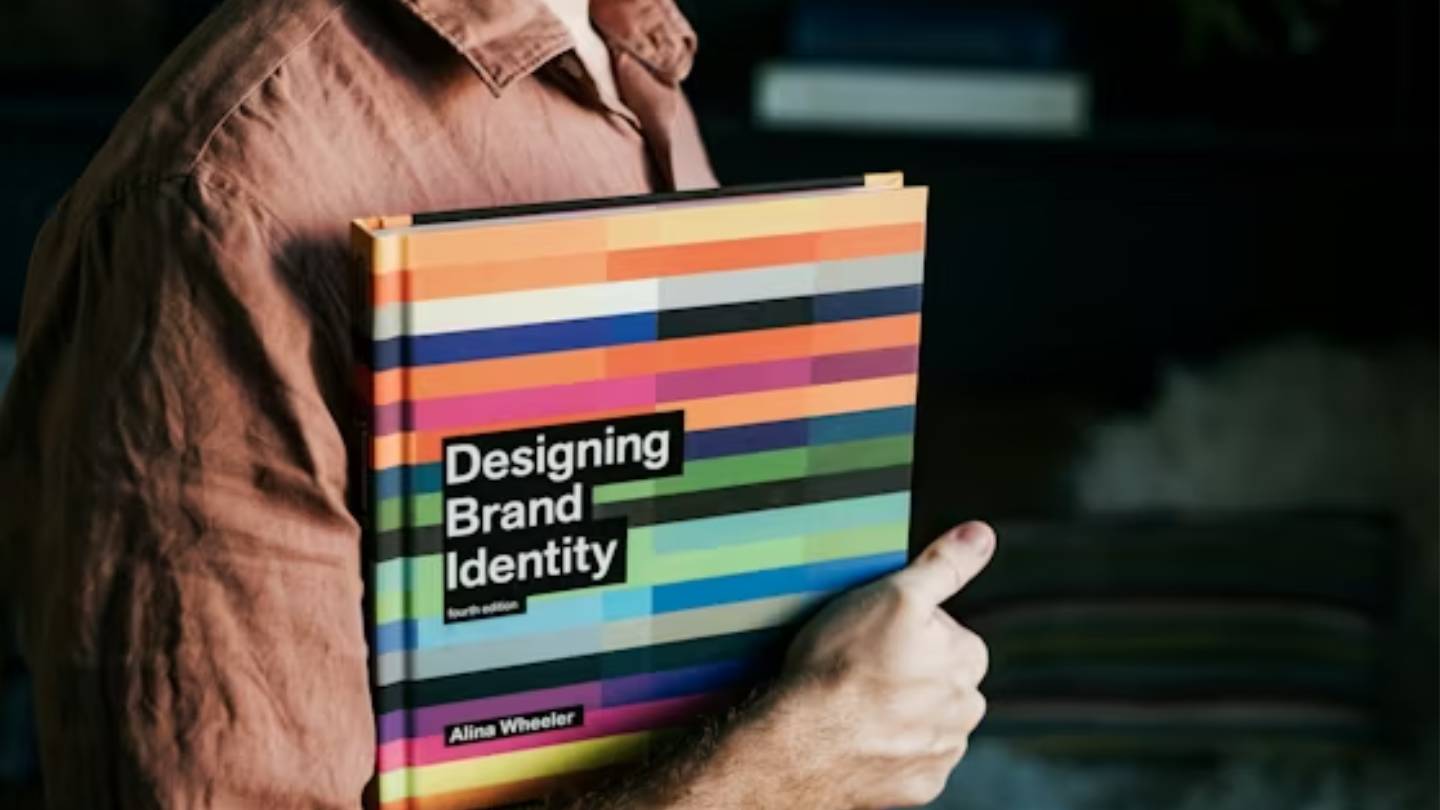
Brand guidelines sound straightforward on paper, but in practice… they’re often misunderstood. This guide takes a more grounded look at how they actually work. It starts with the basics, then moves into what really matters: structure, clarity, and how different teams use them day to day. You’ll also find a range of brand guidelines examples, not just for inspiration, but to see how real brands handle consistency at scale. Some are simple, some more detailed, and that contrast is useful. There’s also a closer look at common mistakes and what tends to hold up over time. Nothing overcomplicated here, just what works, and why.
Table of Contents
Introduction
Brand guidelines tend to sit in that “important but postponed” category for a lot of teams. Everyone knows they’re needed. Few actually slow down and build them properly. And when they do exist, they’re often either too vague to be useful… or so detailed that no one opens the file after week one.
At a basic level, brand guidelines are just a reference. A way to keep things consistent when multiple people are working on the same brand. Sounds simple. But consistency is where most brands quietly fall apart.
One campaign looks sharp, the next feels slightly off. Social media sounds casual, emails sound stiff. Visuals drift. Messaging shifts. Nothing feels completely wrong, but nothing feels tightly aligned either. That’s usually a sign that the guidelines either don’t exist or aren’t doing their job.
That’s also why brand guidelines examples are such a common search. Not because people want definitions. They want to see how real brands structure this stuff. What goes in, how detailed it gets, what “good” actually looks like beyond theory.
And honestly, examples do a better job than explanations here. You can read ten articles about consistency, but one well-built guideline shows exactly how it’s done.
This guide leans into that. It breaks down what brand guidelines actually include, how strong ones are structured, and what can be learned from brands that have done this well. Not in a textbook way, more in a “this is how it works in practice” kind of way.
What Are Brand Guidelines?
The clean definition of brand guidelines sounds something like: “a document that outlines how a brand should be presented.” Which is fine. Accurate, technically. But it doesn’t really capture how they’re used day to day.
In reality, brand guidelines are more like a shared agreement. Across designers, marketers, content teams, and external partners, everyone is working on the brand. It answers a simple question: what does “on-brand” actually mean here?
Because without that clarity, people fill in the gaps on their own. A designer might interpret the brand one way. A copywriter, another. A performance marketer just focuses on what converts. Individually, the work might be solid. Together, it starts to feel inconsistent.
That’s where guidelines step in. Not to restrict creativity, but to create boundaries that keep everything aligned.
There’s also a bit of overlap in terminology that trips people up. Brand guidelines, brand books, and style guides get used interchangeably, but they’re slightly different in intent.
A brand book usually leans more into storytelling. It explains the “why” behind the brand, its purpose, philosophy, and positioning. A style guide is more tactical, including fonts, colors, and formatting rules. Brand guidelines tend to sit in the middle. Enough context to understand the brand, enough structure to execute it properly.
And they’re not just for big companies with large teams. If anything, smaller teams benefit earlier. When things are moving fast, consistency is the first thing to slip. A basic set of guidelines, even a lean one, keeps things from getting messy too quickly.
Creators, startups, agencies, enterprise teams… the use case changes, but the need doesn’t. At some point, everyone reaches that stage where “winging it” stops working.
What Should Be Included in Brand Guidelines?
Brand Identity Basics
This part often gets rushed. Straight to logos, colors, visuals. But without some clarity here, the rest feels disconnected.
Brand identity basics are less about design and more about direction. What the brand stands for, who it’s trying to reach, and how it wants to be perceived. That usually shows up as mission, vision, values, yes, those familiar terms, but they matter more than people give them credit for.
They act as filters. Decisions around messaging, visuals, campaigns… they all tie back here, whether teams realize it or not.
Then comes personality. This is where things start to feel real. Is the brand sharp and authoritative? Friendly and conversational? Slightly playful, or completely no-nonsense? There’s no “right” answer, but there has to be a clear one.
Without that, tone becomes inconsistent. One piece of content sounds like a corporate report, the next reads like a casual tweet. That disconnect adds up over time.
Logo Usage Guidelines
Logos seem straightforward until they aren’t.
They get stretched to fit layouts, recolored to match campaigns, squeezed into tight corners… small changes, but they slowly chip away at consistency. Most of it isn’t intentional. It’s just a lack of clarity.
Good logo guidelines don’t overcomplicate things. They show the main versions, primary, secondary, icon, and where each one fits. They define spacing, minimum sizes, and basic rules that keep the logo readable and recognizable.
What helps more than anything, though, is showing misuse. A few clear “don’t do this” examples tend to stick better than a page of instructions.
It’s one of those sections that feels obvious until it’s missing.
Color Palette Guidelines
Color is one of the fastest ways people recognize a brand. Sometimes faster than logos.
But consistency here is trickier than it looks. Slight shade variations across platforms, different teams picking “close enough” colors… it doesn’t break the brand immediately, but it creates a subtle mismatch.
That’s why color guidelines need to be precise. Not just naming primary and secondary colors, but defining exact values, HEX for digital, RGB where needed, and CMYK for print.
There’s usually a core palette (the colors that define the brand) and a supporting one (used more flexibly). The balance matters. Too rigid, and the designs feel repetitive. Too loose, and things start drifting again.
Typography Rules
Typography doesn’t get much attention until it becomes inconsistent. Then it’s hard to ignore.
Different fonts across landing pages, presentations, and ads create a fragmented experience, even if most people can’t quite explain why it feels off.
This section brings structure. It defines which fonts are used, where they’re used, and how they’re combined. Headings, body text, and captions each have a role.
Hierarchy matters more than it seems. It keeps content readable and visually organized, especially across different formats.
There’s also the practical side. Some fonts work well on screens but not in print. Some look great in design tools but don’t translate cleanly across platforms. Guidelines help avoid those mismatches before they show up publicly.
Imagery & Visual Style
This is where brands either feel cohesive… or slightly scattered.
Saying “use high-quality images” isn’t enough. Most teams already aim for that. The real question is, what kind of images?
Bright or muted? Minimal or busy? Staged or natural? People-focused or product-focused? These choices shape how the brand is perceived, often without anyone consciously noticing.
Strong guidelines narrow this down. Not in a restrictive way, but enough to create a recognizable style.
The same applies to illustrations and icons. If a brand uses them, they need to feel like they belong together. Otherwise, visuals start looking pulled from different places.
It’s a subtle layer, but an important one. Over time, this is what makes a brand visually “click.
Voice & Tone Guidelines
Voice tends to get overlooked early on. Visuals feel more tangible, easier to define. But tone is what people actually engage with, especially in content-heavy channels.
Without clear direction, writing varies a lot. One piece sounds formal, another overly casual, another somewhere in between. None of it feels consistent.
Voice and tone guidelines fix that, not by forcing a script, but by setting a direction. How formal should the brand be? Whether humor fits. How direct or descriptive should the language feel?
Examples help more than definitions here. A short comparison, on-brand vs off-brand, usually does more than a paragraph of explanation.
It doesn’t need to be perfect. Just clear enough that different writers can produce content that feels like it comes from the same place.
Brand Applications
This is the part people actually use.
All the rules, logos, colors, typography, and tone only become useful when applied. Otherwise, they stay theoretical.
Brand applications show how everything comes together in real scenarios. Social media posts, website layouts, ad creatives, packaging, and the kind of work teams are already producing.
And this is where things start to click. Instead of interpreting guidelines from scratch, people can reference real examples. It reduces hesitation, speeds things up, and keeps output consistent.
Without this section, guidelines feel incomplete. With it, they become practical. And that’s usually the difference between something that gets ignored… and something teams actually rely on.
12 Best Brand Guidelines Examples to Inspire Your Brand
Looking at brand guidelines in isolation doesn’t do much. They either feel too abstract… or too obvious. But when you start comparing strong brands side by side, patterns show up. Not immediately, but after a bit of time, certain things stand out.
The best ones don’t just define rules. They remove hesitation. Someone new to the brand should be able to open the guidelines and get it within minutes, not read through 40 pages and still feel unsure.
Also, not every brand here is doing the same thing. Some optimize for control. Others for flexibility. A few lean heavily into personality. None of them is “perfect,” but each one gets something very right.
Spotify
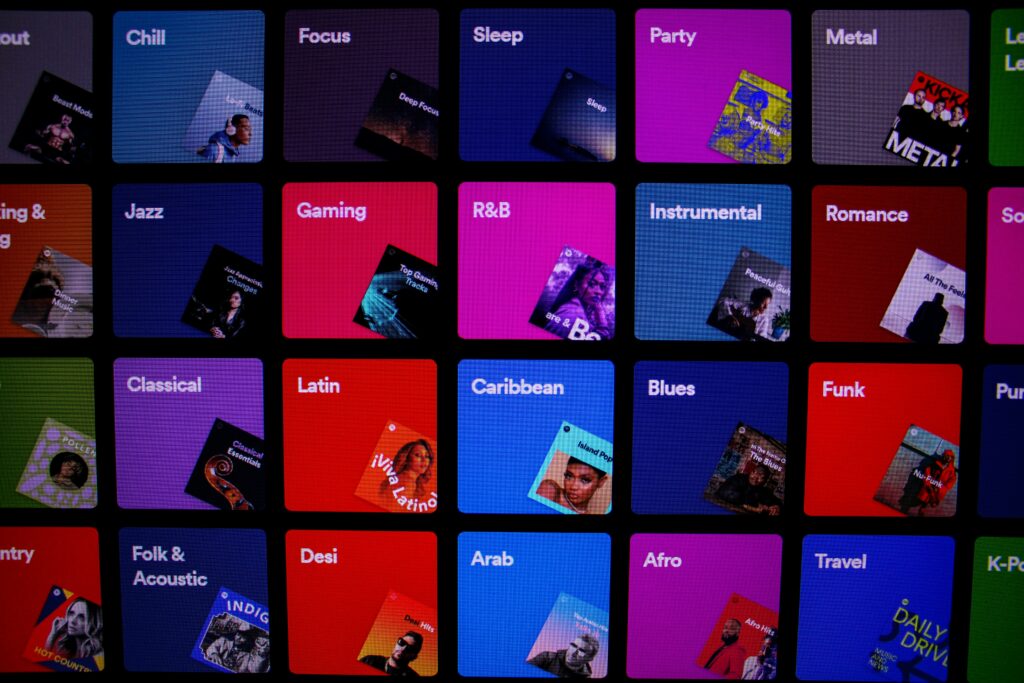
Spotify’s system feels loose at first glance. Bright gradients, bold overlays, constantly shifting visuals. It almost looks like anything goes.
But spend a little time with it, and the structure becomes clear.
There’s a defined way colors are layered. A certain treatment for imagery, often high contrast, slightly stylized, never flat. Even typography, while simple, is used in very specific ways across playlists, campaigns, and product UI.
And then there’s motion. Subtle in some places, more expressive in others, but always present. It gives the brand a kind of energy that static guidelines alone wouldn’t capture.
What Spotify gets right is controlled flexibility. Designers aren’t boxed in, but they’re also not guessing. There’s a system underneath that holds everything together.
Netflix

Netflix is a good example of restraint done properly.
There’s no attempt to over-design anything. The palette is minimal: red, black, and white, and used with discipline. Typography is strong, often oversized, and carries most of the visual weight.
Where things get interesting is how they handle content. Every show or movie has its own visual identity, obviously. But the way it’s presented, thumbnails, banners, UI placements, follows a consistent structure.
That consistency is easy to overlook because the content changes so often.
The guidelines here aren’t trying to be expressive. They’re trying to be invisible in the best way possible. Supporting the content without competing with it.
Apple

Apple’s guidelines are less about inspiration and more about precision.
There’s a very tight control over how products are shown, lighting, angles, backgrounds, and spacing. Nothing feels accidental. Even negative space is treated as a design element, not just empty space.
Typography is clean and understated. It doesn’t try to grab attention. It supports the product.
And that’s the core idea here: the product is always the hero. The brand exists to frame it, not overshadow it.
This level of control can feel restrictive, especially for teams used to more flexibility. But it’s also why Apple’s visual identity is so consistent across everything, from packaging to billboards to product pages.
Nike

Nike operates on a different axis. Less about visual rules, more about emotional consistency.
Yes, there are design patterns, bold imagery, high contrast, and dynamic compositions. But the real consistency shows up in messaging.
Short, sharp lines. Confident tone. No unnecessary explanation.
There’s an understanding that the audience doesn’t need to be convinced by long copy. The message is often implied, not spelled out.
The guidelines reflect this clearly. They don’t overload teams with rules. Instead, they show examples that capture the tone, and once that clicks, the rest follows naturally.
It’s less “follow these steps,” more “this is how it should feel.”
Airbnb

Airbnb’s branding is built around a single idea: belonging. And they’ve done a solid job of making that idea tangible.
The Bélo symbol is central, but it’s not treated like a traditional logo. It carries meaning, and the guidelines explain that without overcomplicating it.
Imagery plays a big role, too. It leans human, real people, real environments, not overly staged. There’s a warmth to it, but it doesn’t feel forced.
Tone-wise, it sits in that middle ground. Friendly, but not overly casual. Clear, but not corporate.
What’s notable is how consistent that feeling is across different touchpoints. Website, app, campaigns, everything ties back to that core idea.
Uber
Uber’s current system is built for scale. That’s the lens to look at it through.
The typography is clean and highly functional. It works across languages, markets, and formats without breaking. That’s not a small thing.
The layout system is modular. Elements can shift depending on context, app screens, ads, and city-specific campaigns, but the overall structure stays intact.
There’s less emphasis on personality here, more on clarity and usability, which fits the product. When people are booking rides, they’re not looking for personality. They’re looking for reliability.
The guidelines reflect that priority. Clear, structured, and easy to apply across different teams.
Coca-Cola
Coca-Cola operates with a different kind of challenge, maintaining consistency over decades.
The core elements haven’t changed much. The red, the script logo, the overall visual feel. That consistency is intentional.
The guidelines focus on protecting those elements. Making sure they’re used correctly, regardless of campaign or region.
There’s room for creative expression, but it always sits within a defined boundary. The brand doesn’t try to reinvent itself frequently. It evolves slowly.
That approach builds familiarity. And over time, that familiarity becomes one of the brand’s strongest assets
Google’s system has to handle complexity. Multiple products, each with its own identity, all under one umbrella.
The color system is well-known, but what matters more is how it’s applied. There’s structure in how colors are combined, where they appear, and how they scale across products.
Typography is consistent, but flexible enough to adapt to different contexts.
What stands out is the balance. The brand feels approachable, almost playful, but never disorganized.
That balance doesn’t happen by accident. It’s guided by clear rules, even if they’re not immediately visible.
Slack
Slack’s brand feels conversational. Not in a forced way, more like how people actually talk.
The tone is relaxed, but there’s still control. It doesn’t drift into being too casual or unclear.
Visually, the palette is distinct. Slightly unconventional, but used consistently enough that it feels intentional rather than experimental.
There’s also a good balance between personality and usability. The brand has character, but it doesn’t interfere with the product experience.
The guidelines make that balance clear. Where to lean into personality, and where to pull back.
Dropbox
Dropbox’s shift toward a more expressive identity is worth paying attention to.
Illustrations became central, not just decorative. They carry meaning, add context, and help differentiate the brand.
But here’s the tricky part: once you introduce that level of visual variety, consistency becomes harder to maintain.
Their guidelines address that by defining a clear style language. Even when illustrations vary, they still feel connected.
It’s a good example of how creativity and structure can coexist if the system underneath is strong enough.
Mailchimp
Mailchimp leans into personality more than most.
The tone has a bit of edge, slightly quirky, sometimes playful, but it’s never random. There’s a clear sense of where that tone fits and where it doesn’t.
Illustrations reinforce that personality. They’re distinctive, but consistent in style and usage.
One thing they do well is defining boundaries. It’s not just “be fun.” It’s “be fun in this way, in these contexts.”
That clarity prevents the brand from becoming inconsistent over time.
Atlassian
Atlassian’s approach is built for complexity.
With multiple products, large teams, and different use cases, the guidelines need to handle all of that without becoming confusing.
So they lean heavily into structure. Clear documentation, detailed usage rules, plenty of examples.
It’s not the most visually exciting system, but that’s not the goal. The goal is clarity at scale.
And in that context, clarity matters more than creativity.

Enroll Now: Brand Management course
Common Patterns in High-Performing Brand Guidelines
Simplicity Over Complexity
Once you go through enough strong brand guidelines, a pattern becomes hard to ignore. The best ones are rarely the most detailed.
They’re clear. Focused. Stripped of anything that doesn’t help someone actually use the brand.
This doesn’t mean they’re basic. It just means they avoid unnecessary clutter. No long-winded explanations, no sections that look impressive but don’t add real value.
If someone has to “figure out” how to apply the guidelines, something’s off. The stronger ones remove that friction almost immediately.
Strong Visual Identity Systems
Another thing that stands out, strong brands don’t rely on a single element to carry recognition.
It’s never just the logo. Or just the color.
It’s the combination. Typography, spacing, imagery, and layout patterns all work together in a way that feels consistent, even when designs change.
This is where weaker guidelines fall apart. They define elements in isolation but don’t show how they connect.
The stronger ones think in systems, not pieces.
Clear Do’s and Don’ts
There’s a big difference between “guidelines” and “suggestions.”
High-performing brand guidelines don’t leave things open to interpretation. They show exactly what works, and just as importantly, what doesn’t.
Not in a restrictive way. Just enough clarity to prevent common mistakes.
A few well-placed examples of incorrect usage, stretched logos, off-brand colors, and inconsistent typography can do more than pages of explanation.
People remember what not to do faster than they remember rules.
Real Usage Examples
This is where most guidelines either become useful… or forgettable.
Rules on their own don’t always translate into execution. But once you show real applications, a social post, a landing page, an ad, things start to click.
It answers the practical question: how does this actually look when used?
Without this, teams tend to interpret guidelines differently, which slowly leads to inconsistency.
The best guidelines don’t assume understanding. They show it.
Accessibility and Scalability
Two things that don’t always get attention early on, but become critical as the brand grows.
Accessibility is no longer optional. Readable typography, proper contrast, and inclusive imagery are built into strong guidelines from the start, not patched in later.
Then there’s scalability.
A good brand system should hold up as the company grows. More teams, more channels, more content, the guidelines shouldn’t break under that pressure.
If every new campaign requires rethinking the basics, the system isn’t strong enough.
The better ones anticipate growth. They leave room for expansion without losing consistency.
How to Create Brand Guidelines
Define Your Brand Strategy
Before anything visual, there has to be clarity on what the brand stands for. Not in a vague, aspirational way, but in a way that actually guides decisions.
Positioning matters here. Who the brand is for, what it offers, and how it’s different. Without that, everything that follows becomes surface-level.
Audience plays a role too. Not just demographics, but expectations. How they communicate, what they respond to, and what feels familiar versus forced.
Messaging starts taking shape at this stage. Not finalized copy, but direction. The kind of language that feels natural for the brand.
This step doesn’t always feel tangible, which is probably why it gets rushed. But when it’s skipped, it shows up later as an inconsistency.
Build Your Visual Identity
Once the foundation is clear, the visual side becomes easier to define.
Logo comes first, but it’s rarely just one version. Different formats, different use cases, all need to be considered. Then, color, which often carries more recognition than people expect.
Typography ties everything together. Not just picking fonts, but defining how they’re used. Headings, body text, spacing, these details add structure.
And then imagery. This is where the brand starts to feel distinct. The difference between looking generic and looking intentional usually comes down to this.
At this stage, it’s less about documenting rules and more about shaping the system.
Document Usage Rules
This is where most brands either get it right… or make things harder than they need to be.
The goal isn’t to create a long document. It’s to create a clear one.
Usage rules should answer common questions upfront. Which logo to use where. How much spacing is required? What color combinations work, and which ones don’t?
Examples help more than explanations. Showing correct and incorrect usage side by side tends to stick better than paragraphs of instructions.
There’s also a balance to strike here. Too rigid, and teams feel restricted. Too loose, and consistency starts slipping again.
Good guidelines sit somewhere in the middle.
Add Real Applications
This part often gets overlooked, but it’s where everything starts to make sense.
Seeing how the brand works in real scenarios, social media, website layouts, ads, and packaging helps connect the dots. It answers the “how does this actually look?” question.
Without this, teams end up interpreting guidelines on their own, which leads to variation.
Applications don’t need to cover every possible use case. Just enough to set a direction. Once that’s clear, teams can adapt without losing consistency.
Choose a Format
The format of brand guidelines matters more than it seems.
A static PDF works for some teams. Easy to share, easy to reference. But it can become outdated quickly if the brand evolves.
Online guidelines are more flexible. Easier to update, easier to navigate, especially for larger teams. But they require a bit more structure to maintain.
The right choice depends on how the brand operates. Smaller teams might prefer something simple. Larger organizations usually need something more dynamic.
What matters is accessibility. If people can’t find or use the guidelines easily, they won’t use them at all.
Tools to Create Brand Guidelines
Canva
There’s no single “right” tool for creating brand guidelines. It usually comes down to how complex the brand is and how many people need access.
For simpler setups, something visual and straightforward works well. Platforms like Canva are often used for creating clean, presentable brand documents without too much setup. Easy to build, easy to share
Frontify
As things scale, more structured tools start making sense. Frontify, for example, is designed specifically for brand management, keeping guidelines, assets, and updates in one place.
Notion
Some teams prefer flexibility over structure. Notion is often used for this , documenting guidelines in a way that’s easy to update and collaborate on, even if it’s less visually polished.
Figma
Then there’s the design-first approach. Tools like Figma are useful when guidelines are closely tied to design systems. Especially when components, layouts, and UI elements are part of the documentation.
In most cases, the tool isn’t the deciding factor. Clarity is. A simple, well-structured guideline in a basic format will always outperform a complex system that no one actually uses.
Brand Guidelines Examples for Different Use Cases
Not every brand needs the same level of detail. A startup figuring things out doesn’t need a 60-page document. A large company with multiple teams probably does. Context matters more than completeness here.
The structure of brand guidelines usually stays similar, but how deep you go, that changes depending on the use case.
Startup Brand Guidelines Examples
Startup guidelines tend to be lean by necessity.
There’s usually not enough time (or clarity) to document everything in detail, and that’s fine. What matters early on is setting a direction, something teams can align around while things are still evolving.
Most startup brand guidelines focus on:
- A basic visual identity (logo, colors, typography)
- A rough tone of voice (formal vs casual, direct vs descriptive)
- A few real examples (landing page, social posts, maybe pitch decks)
They’re not perfect. They don’t need to be.
What’s important is that they exist. Without even a simple framework, things start drifting quickly, especially when multiple people are creating content at once.
Over time, these guidelines usually evolve. What starts as a few pages turns into something more structured as the brand matures.
Small Business Brand Guidelines Examples
Small businesses sit in an interesting middle ground.
They’re past the early chaos of startups, but they don’t always have the resources for complex brand systems. So the focus shifts toward practicality.
Guidelines here are often more defined than those of startups, but still relatively straightforward.
There’s usually:
- Clear logo usage rules (to avoid inconsistent branding across platforms)
- Defined color palettes (often limited to a few core colors)
- Simple typography systems
- Basic tone guidelines for marketing and communication
Budget plays a role, too. Not everything can be custom-built, so guidelines often work within constraints, which isn’t necessarily a bad thing. It forces clarity.
The goal isn’t to create something elaborate. It’s to create something usable.
Personal Brand Guidelines Examples
Personal brands approach this differently.
There’s often more flexibility, but also more risk of inconsistency. Without some structure, the brand can start feeling scattered, especially across platforms.
Guidelines for personal brands usually focus on:
- A recognizable visual style (colors, fonts, layout patterns)
- A clear tone of voice (how content is written, how ideas are expressed)
- Content formats (carousels, videos, posts, how they should look and feel)
Personality plays a bigger role here. The brand is often tied directly to an individual, so the guidelines need to reflect that without becoming too rigid.
It’s less about rules and more about maintaining a consistent presence.
Corporate Brand Guidelines Examples
Corporate brand guidelines operate at a different level entirely.
Multiple teams. Multiple departments. Often multiple regions. Without strong guidelines, things fall apart quickly.
These guidelines are usually detailed, sometimes extensively so.
They include:
- Comprehensive visual systems (logo variations, color systems, typography)
- Detailed tone and messaging frameworks
- Specific rules for different channels (digital, print, internal communication)
- Extensive application examples
There’s less room for interpretation here, and that’s intentional. When the scale increases, ambiguity becomes a problem.
The goal is consistency across everything, not just marketing, but internal communication, product design, partnerships… all of it.
Mistakes to Avoid in Brand Guidelines
Brand guidelines can fail in subtle ways. Not always obvious at first, but over time, the cracks show.
One common mistake is overcomplicating the document.
There’s a tendency to include everything. Every possible rule, every edge case, every scenario. It ends up looking comprehensive, but it becomes difficult to use.
If someone has to dig through pages to find a simple answer, they’ll stop using it altogether.
Clarity beats completeness here.
Another issue, lack of real examples.
It’s surprisingly common. Pages of rules, definitions, instructions… but no actual applications. No visuals showing how things should look in practice.
Without examples, teams interpret things differently. And that’s where inconsistency starts creeping in.
Ignoring tone of voice is another one.
Visual identity gets most of the attention, but messaging is just as important. Without clear guidance, written content starts sounding inconsistent across channels.
One platform feels formal. Another feels casual. A third feels completely disconnected.
That kind of inconsistency is harder to fix later.
And then there’s the issue of outdated guidelines.
Brands evolve. Messaging shifts. Visual styles get refined. But guidelines often stay frozen in time.
When that happens, teams stop trusting them. They either ignore the document or start making their own interpretations.
Guidelines need occasional updates. Not constantly, but enough to stay relevant.
Conclusion:
A strong brand guideline isn’t defined by how detailed it is. Or how polished it looks.
It’s defined by whether people actually use it.
That usually comes down to clarity. When guidelines are easy to understand, easy to apply, and grounded in real examples, they become part of how teams work, not just something stored in a folder.
Examples play a big role in that. Seeing how established brands approach their guidelines removes a lot of guesswork. It shows what matters, what can be simplified, and what doesn’t need to be overthought.
At the end of the day, brand guidelines aren’t about control. They’re about alignment.
When that alignment is there, everything else, design, content, campaigns, starts to feel more consistent without extra effort.
And that’s usually the goal.
FAQs: Brand Guidelines Examples
What are brand guidelines examples?
They’re not theory pieces. Think of them more like working references, actual documents brands use internally. You open one and see how logos behave, how colors are used, how tone sounds in real sentences. That’s the value. It removes guesswork and shows what consistency looks like when it’s actually applied.
Why are brand guidelines important?
Because without them, things quietly fall apart. Not overnight. Slowly. One designer tweaks spacing, someone else picks a slightly different color, copy starts sounding off. Nothing looks “wrong” on its own, but together it feels messy. Guidelines keep that from happening. They hold everything in place when multiple people are involved.
What should brand guidelines include?
At the very least, they should cover how the brand looks and how it speaks. Logos, colors, typography, that’s the obvious part. But tone matters just as much. Add a few real examples too. Otherwise, people end up interpreting rules differently, and that’s where inconsistency creeps in.
How long should a brand guideline document be?
There isn’t a clean answer here. Some are short and work perfectly fine. Others go deep because they need to. The real test is simple: can someone use it without getting stuck? If it answers questions quickly, it’s doing its job. If it feels like work to go through, it won’t get used much.
Are brand guidelines necessary for small businesses?
They’re easy to ignore early on, but that usually backfires. Even a basic version helps keep things steady. Social posts, website updates, and marketing material all start looking like they belong together. Without that, the brand ends up feeling a bit scattered. Not broken, just… inconsistent in small ways.
What is the difference between brand guidelines and style guides?
Style guides tend to zoom in. Fonts, formatting, writing rules, and more about execution. Brand guidelines sit a level above that. They include those details, but also define identity and tone more broadly. In practice, the two blend a bit, but the scope is what separates them.
What is the difference between brand guidelines and a brand book?
A brand book leans more toward storytelling. Why the brand exists, what it stands for, and where it’s headed. Brand guidelines are more practical. They translate that thinking into usable rules. One gives direction, the other helps people actually apply it day to day.
Can you show simple brand guidelines examples for beginners?
Simple ones are usually stripped back. Logo, a couple of colors, one or two fonts, and a rough sense of tone. That’s enough to start. They’re not trying to cover every scenario. Just setting a baseline so things don’t go completely off track as content starts going out.
What are the best brand guidelines examples for startups?
The good ones don’t overreach. They focus on what’s needed now, not what might be needed a year later. Core identity, tone, and a few real applications. That’s it. Startups move fast, so guidelines need to keep up. Too much detail too early usually slows things down more than it helps.
How do brand guidelines help maintain brand consistency?
They give everyone the same reference point. Instead of relying on personal judgment, teams check what’s already defined. Over time, that reduces variation. Things start to look and sound consistent without extra effort. Without that anchor, every decision becomes subjective, and that’s where drift begins.
Are there free brand guidelines examples available online?
Yes, quite a few brands publish theirs openly. Especially larger ones. They’re useful for understanding structure and level of detail. Not everything will apply directly, of course. But going through a few gives a clearer sense of what good documentation actually looks like in practice.
What makes a good brand guidelines example stand out?
Usually, it’s how easy it is to use. Not how impressive it looks. The structure makes sense, examples are clear, and nothing feels over-explained. You don’t have to “figure it out” as you go. That’s the difference. It just clicks, and you can move forward without second-guessing.
How detailed should brand guidelines be for small businesses?
Enough to remove confusion, not so much that it becomes heavy. That’s the balance. A few clear rules around visuals and tone are often enough early on. As things grow, more detail can be added. Trying to get everything perfect up front usually isn’t worth the effort.
What are digital brand guidelines examples?
These are hosted online instead of being locked into a file. Easier to update, easier to navigate. Especially helpful when teams grow or work across locations. You don’t have to scroll through everything, just jump to what’s needed. Feels more flexible compared to static documents.
How often should brand guidelines be updated?
Not on a fixed schedule. More when something changes. New positioning, updated visuals, refined messaging, that’s usually the trigger. If nothing’s changed, there’s no need to touch it. But once it starts feeling outdated, it’s better to update than let people work around it.
Do brand guidelines include social media rules?
They should. Social is often where inconsistency shows up first. Tone shifts, visuals change, formats vary. A bit of guidance here helps keep things aligned. Doesn’t need to be overly detailed, just enough to set expectations so the content feels connected to the rest of the brand.
What are brand voice guidelines examples?
These show how the brand actually sounds, not just labels like “friendly” or “professional.” Real sentences, real phrasing. That’s what makes them useful. Writers can see what fits and what doesn’t. Without examples, tone becomes subjective, and that leads to variation pretty quickly.
Can personal brands have brand guidelines?
They often need them more than expected. Content is usually spread across platforms, and without some structure, it starts to feel inconsistent. Even simple guidelines, tone, visuals, and content style help keep things recognizable. Doesn’t need to be formal. Just clear enough to follow.
What are minimal brand guidelines examples?
Minimal ones focus only on essentials. No extra layers. Logo, colors, typography, maybe tone. That’s it. They’re quick to create and easy to use, which is why they work well early on. Not comprehensive, but enough to keep things from drifting too far off course.
How do companies use brand guidelines internally?
Mostly as a reference during everyday work. Design, content, campaigns, instead of debating preferences, teams check what’s already defined. It speeds things up. Also reduces friction between teams. Over time, it builds a shared understanding of how the brand should show up.
What is the ideal format for brand guidelines (PDF, website, etc.)?
Depends on how the team works. PDFs are simple and easy to pass around. Online versions are easier to update and navigate. There’s no perfect format. What matters is access. If people can find what they need quickly, they’ll use it. If not, it just sits there.