

If you’ve been anywhere near the education space lately, you’ve probably noticed one thing: AI homework helper tools are everywhere. And not in a hype-cycle kind of way. They’re actually being used. Daily. Millions of students are trying to figure out algebra, finish essays, or just get unstuck at 11:30 PM.
Table of Contents
Introduction
It’s interesting to see the rise of the AI helper tools, and it’s not just the tools themselves that are interesting, but also how quickly they’ve shifted expectations. A few years ago, “homework help” meant Googling answers, watching YouTube videos, or maybe texting a friend. Now, students expect:
- Instant answers.
- Step-by-step explanations.
- Support across multiple subjects.
- And honestly, a bit of guidance that feels like a tutor.
That’s where AI homework tools come in.
They’re not just giving answers. The better ones act like a hybrid between a solver and an AI tutor. You ask a question, upload a photo, or drop in a PDF, and within seconds, you get a structured breakdown of the solution.
So, instead of spending 45 minutes stuck on one problem, students can move forward faster. But more importantly, they can actually understand why something works. That’s a subtle shift, but a powerful one.
In this guide, we’re going to break it all down:
- What an AI homework helper actually is.
- How these tools work behind the scenes.
- And which tools are genuinely worth your time?
Because not all AI tools are built the same. Some are surprisingly smart. Others, not so much.
What Is an AI Homework Helper?
At its core, an AI homework helper is a software tool powered by artificial intelligence that helps students solve academic problems, explain concepts, and complete assignments more efficiently.
A slightly more accurate way to think about it is this: a homework AI tool acts as both a solver and a tutor. It doesn’t just spit out answers. Ideally, it walks you through the process.
So what does a homework helper tool actually do?
Most modern AI homework helpers can:
- Solve math problems.
- Explain science concepts.
- Help with essays and writing tasks.
- Answer textbook-style questions.
- Break down complex topics into simpler steps.
And the better ones do this conversationally. You can ask follow-up questions, refine your query, or dig deeper into a concept.
AI Homework Helpers vs Traditional Tutors
This is where things get interesting.
Traditional tutors:
Although traditional tutors offer human interaction and personalized explanations, they have one main disadvantage, i.e., they are time-bound, meaning you only get to have a limited number of scheduled sessions with them. Traditional tutors also get more and more expensive over time.
AI homework helpers:
But that problem is completely solved with AI homework helpers. It is always available, 24/7, and you get instant responses, so you don’t have to wait for extended periods of time to get a single response. Another big thing about it is that it can be scaled across all subjects, all at a very low, or sometimes no cost.
But also, let’s be honest, AI isn’t replacing human tutors entirely. Not yet. What it does do really well is handle day-to-day academic friction. The small doubts. The repetitive practice. The “I just need help with this one problem” moments.
AI Homework Solver vs Manual Solving
There’s also a big difference between using an AI homework solver and solving things manually.
Manual solving helps you build a deeper understanding of the subject, but it takes a lot of time, in comparison although AI solvers speed things up and take less time, they can become a crutch if misused. Therefore, what we should do is, rather than purely relying on a single method, use AI as a support to your thinking, not replace it.
The Role of AI and Machine Learning
Behind the scenes, these tools rely on advanced AI algorithms and machine learning models trained on massive datasets. Which means, they recognize patterns in questions, understand natural language, and generate structured, logical solutions.
Some tools are especially strong at math. Others lean toward writing or conceptual explanations. That’s why choosing the right tool matters, and we’ll get into that later.
How AI Homework Helpers Work
It might feel a bit like magic when you upload a question and instantly get an answer. But there’s actually a clear process behind how AI homework solvers work.
Let’s break it down in a way that makes sense.
Input
This deals with how you ask the questions, the format. Most AI homework helper tools support multiple input formats. This is a big deal because students don’t always have neatly typed questions.
You can usually input:
- Text – Type your homework question directly.
- Images / Photos – Snap a picture of a handwritten or printed problem
- PDF Documents – Upload assignments, worksheets, or textbook pages
This flexibility is one of the biggest upgrades over older homework help methods.
Processing
Once the input is submitted, the processing takes place, and the AI model gets to work. It interprets the question using natural language, then it processes and identifies the subject, for example, math, science, English, etc. It then breaks the problem into smaller components and applies learned patterns and logic to finally generate a solution.
Output
This is where good tools stand out from average ones. A solid AI homework helper doesn’t just give you the final answer. It provides you with a Step-by-step solution and a clear explanation of each step, while also citing the context or reasoning behind the method used.
Why You Need an AI Homework Helper Tool
Let’s not pretend homework is just about learning. It’s also deadlines piling up, that quiet stress in the background, and those moments where one question eats up way more time than it should. That’s usually the tipping point. Not when things are hard, but when they start feeling inefficient.
That’s where AI homework helper tools quietly step in. Not as a shortcut exactly, but more like removing the unnecessary friction from the process. The kind that slows everything down. And honestly, once that friction is gone, it’s difficult to go back to the old way of doing things.
Saving Time Without Cutting Corners
Time is usually the biggest constraint. Classes, assignments, maybe exams around the corner, and everything else stacked on top. Spending an hour stuck on a single problem? It happens. But it’s not always productive.
AI homework tools change that dynamic a bit.
Instead of digging through multiple tabs or waiting for help:
- Answers show up almost instantly.
- Repetitive problems take less effort to get through.
- There’s a steady flow with fewer interruptions.
But here’s the part that actually matters. The better tools don’t just throw answers at you. They show how to get there. Step by step. So it doesn’t feel like skipping the work, more like speeding up the part where things finally make sense. It’s less about doing less work and more about wasting less time.
Learning That Actually Clicks
A solid AI tutor doesn’t sound like a textbook. That’s probably the biggest difference. Instead of overcomplicating things, it breaks problems down in a way that feels manageable. Almost like someone walking through it slowly, without making it feel overwhelming.
Step-by-step solutions help, sure. But it’s the reasoning behind each step that makes the difference. Students can also turn key concepts and explanations into study decks, making it easier to review important information later and reinforce what they have learned. Why this formula works. Why that step matters. Small things, but they add up. And for students who don’t always feel comfortable asking questions in class, this changes things quietly. There’s no pressure, no awkward pauses, no fear of asking something “basic.” Sometimes all it takes is seeing the same concept explained slightly differently. And then suddenly, it clicks.
Support Across Multiple Subjects and Homework Types
Another big advantage is its versatility. Most AI homework helper tools aren’t just limited to one subject. They’re built to handle a wide array of academic needs, which makes them far more practical than single-purpose solutions.
You can use them for:
- Math – equations, algebra, calculus
- Science – physics, chemistry, biology concepts
- English – essays, grammar, comprehension
- Coding – basic programming problems and logic
So instead of juggling different resources for each subject, you get one system that can handle most of your academic workload. That kind of consolidation saves more time than people expect.
Access Homework Help Anytime with Free AI Homework Helper Tools
One of the most underrated benefits? Availability. Traditional help comes with constraints. Office hours, tutor schedules, time zones. AI doesn’t really care about any of that. It is Available 24/7, including late nights and weekends. It works across mobile and web, so you’re not tied to just one device. Many tools also offer free AI homework helper options to get started.
This changes how students approach studying. Instead of planning around when help is available, help is always there when needed. That flexibility alone can reduce a lot of stress, especially during exams or tight deadlines.
15 Best AI Homework Helper Tools for Students
Homework usually isn’t the real problem. It’s the friction around it. One unclear concept, one confusing question, and suddenly progress stalls. Time gets wasted not on thinking, but on figuring out where to even start. That’s the gap these AI homework helper tools are trying to fill.
But here’s something worth noting. Tools that simply generate answers don’t help much in the long run. The ones that actually stick, the ones students keep coming back to, tend to do one thing well: they reduce confusion. Sometimes by being fast. Sometimes, by being clear. Occasionally, by doing both, which is rare.
This list leans toward tools that hold up under regular use. Not just the “looks good on day one” kind, but the ones that still feel useful a week later, when the questions get harder, and patience runs thinner.
1. Photomath

Photomath has stayed relevant for a reason. It focuses entirely on math and does it consistently well. No distractions, no unnecessary features.
It’s particularly helpful during practice sessions, where repetition and accuracy matter more than anything else.
Works best for:
- Algebra and equations.
- Daily math practice.
- Step-by-step problem solving.
Why it works:
- High accuracy in calculations.
- Clear solution breakdowns.
- Reliable performance.
2. Khanmigo
Khanmigo uses Socratic questioning to guide learning without direct answers, ideal for building skills in math and humanities.
Works best for:
- Structured lessons across subjects.
- Exam prep with hints.
- Mastery-based progression.
Why it works:
- Adaptive to gaps.
- Standards-aligned.
- Teacher-approved integration.
3. StudyX

StudyX handles multi-subject queries with file uploads, making it practical for scanned homework or worksheets.
Works best for:
- Image/PDF inputs.
- Broad academic coverage.
- Quick file-based solving.
Why it works:
- Versatile uploads.
- Step-by-step across subjects.
- Free daily limits.
4. Smodin
Smodin feels more suited for assignments that need structure. Not just answers, but full responses. Essays, explanations, longer formats. It handles those without feeling rushed.
Works best for:
- Writing-heavy assignments.
- Detailed explanations.
- Subjects requiring structured responses.
Why it works:
- Strong long-form capabilities.
- Maintains logical flow.
- Combines research and clarity.
5. Brighterly
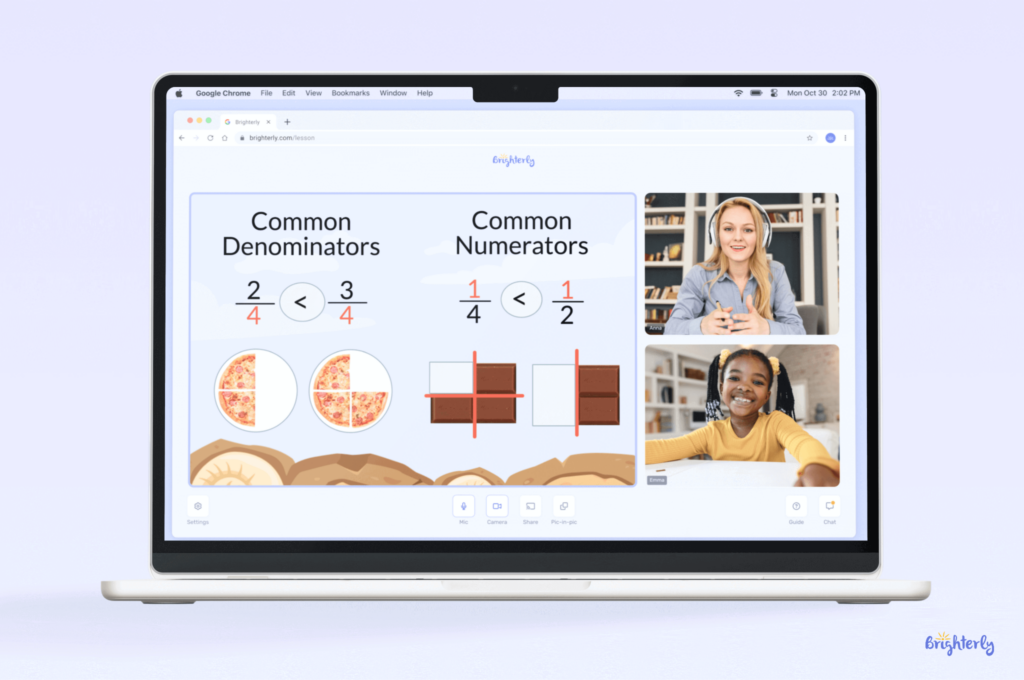
Brighterly pairs K–12 students with a dedicated tutor for 1:1 sessions, making it practical for ongoing homework support and closing recurring knowledge gaps.
Works best for:
- Math and reading homework help.
- Students with persistent knowledge gaps.
- K–12 academic support across subjects.
Why it works:
Aligned with US grade-level standards.
Starts with a diagnostic to pinpoint weak areas.
Personalized study plan built around each student.
6. QuillBot
QuillBot fits in once the thinking is already done. It doesn’t generate ideas as much as it refines them.
That makes it particularly useful during the editing phase. Cleaning up structure, improving clarity, tightening language. Small changes, but noticeable.
Works best for:
- Essay rewriting.
- Paraphrasing content.
- Improving clarity.
Why it works:
- Strong rewriting capabilities.
- Maintains original meaning.
- Enhances readability.
7. ExamUp
Some tools stand out immediately. Others grow on you. ExamUp tends to fall into the second category. It’s not flashy, but it’s steady. And that steadiness matters more than it gets credit for.
Works best for:
- Daily homework across subjects.
- Students who prefer one reliable tool.
- Mixed workloads without switching platforms.
Why it works:
- Consistent output quality.
- Balanced across subjects.
- Reliable under regular use.
8. HomeworkAI
Homework rarely comes in a clean format. It’s often messy. Screenshots, handwritten notes, scanned PDFs. HomeworkAI seems to understand that reality quite well.
Works best for:
- Image-based or scanned questions.
- Multi-format assignments.
- Complex, layered problems.
Why it works:
- Accepts different input formats smoothly.
- Interprets messy questions accurately.
- Reduces preparation time.
9. Question AI
Simplicity is often overlooked. Question AI leans fully into it. No complex setup, no learning curve. It just works.
That’s particularly useful when energy is low or time is limited. The less effort required to start, the more likely it is to be used.
Works best for:
- Quick, everyday homework.
- Beginners or younger students.
- Low-effort problem solving.
Why it works:
- Extremely easy to use.
- Fast response time.
- No unnecessary features.
10. Brainly
Brainly combines community answers with AI for fast, collaborative homework help across subjects.
Works best for:
- Quick peer + AI responses.
- Social learning.
- Diverse question types.
Why it works:
- Hybrid model speeds help.
- Broad coverage.
- Free with ads.
11. Wolfram Alpha
Wolfram Alpha delivers computational precision for math, science, and data-driven problems with verifiable steps.
Works best for:
- Advanced math/science.
- Step-by-step computations.
- Factual queries.
Why it works:
- Proven accuracy.
- Knowledge engine base.
- Detailed outputs.
12. Socratic by Google
Socratic feels built for immediacy. Scan a question, get an explanation, move on. It’s efficient, especially for textbook-based problems.
Works best for:
- Quick textbook questions.
- Visual learners.
- Fast doubt resolution.
Why it works:
- Image recognition simplifies input.
- Instant explanations.
- Easy to use on mobile.
13. Grammarly
Grammarly operates at the final stage. It doesn’t build the answer; it polishes it.
And that final polish matters more than it seems. Small errors, awkward phrasing, unclear tone. Fixing those can elevate the overall quality significantly.
Works best for:
- Final drafts
- Grammar correction
- Tone and clarity improvement
Why it works:
- Accurate suggestions
- Real-time corrections
- Improves overall presentation
14. ChatGPT
ChatGPT excels at versatile, conversational help across all subjects, powered by advanced models like GPT-5o for nuanced explanations.
Works best for:
- Open-ended questions, essays, and multi-subject support.
- Practice with follow-ups.
- Conceptual breakdowns.
Why it works:
- Adaptive response builds understanding.
- Handles complexity reliably.
- ree tier with strong limits.
15. Grok
Grok brings chat, search, reasoning, and creation into one place, making it useful when a homework question needs both a clear explanation and up-to-date context.
Works best for:
- Open-ended questions and research.
- Follow-up questions and conceptual breakdowns.
- Mixed homework tasks across subjects.
Why it works:
- Useful for understanding, not just producing an answer.
- Reasoning and explanations in the same thread.
- Answers that reflect what is happening now.
No single tool handles everything perfectly. That’s probably the wrong expectation to begin with. The more effective approach is to combine tools based on need. Something for math, something for general questions, something for writing. That mix tends to cover most academic situations without overcomplicating things.
Used well, these tools don’t just speed up homework. They make the process feel less scattered. A bit more controlled. And in most cases, that’s enough to make a noticeable difference.

Enroll Now: Advanced Generative AI for Marketing
What Makes an Excellent AI Homework Helper Tool?
Not all AI homework helper tools show the same performance. Some feel smooth and reliable to use. Others, not so much. Once you’ve tried a few, patterns start to emerge. The good ones tend to share a core set of features that actually make a difference in day-to-day use.
Here’s what to look for when selecting an AI homework helper tool:
Flexible Input Options
Students don’t always have neatly formatted questions. A strong tool should let you type in the questions directly or upload images of handwritten or printed problems. It should also support PDFs to submit full assignments. You shouldn’t have to reformat your homework just to get help.
Clear Step-by-Step Solutions and Homework Explanations
This is non-negotiable. The tool should show how the answer was reached by giving logical explanations, avoiding technical jargon, and making sure each step is easy to follow. If a tool only gives final answers, it’s not really helping you learn.
Tracking Progress and Homework History
More advanced tools go a step further. They save previous questions and solutions, help track performance over time, and also identify weak areas. This helps create a more structured learning system.
User-Friendly Interface for Students
This one is often underestimated.
- Clean layout
- Minimal distractions
- Easy navigation
When you’re already stuck on a problem, the last thing you want is a confusing interface.
Learning Summaries and References for Better Understanding
Some tools also provide concept summaries, additional examples, and reference material. These features help reinforce learning instead of just solving isolated problems.
Speed, Accuracy, and Reliable Homework Solutions
At a basic level, the tool has to work.
- Fast response times
- High accuracy for common problems
- Consistent performance across subjects
If it’s slow or unreliable, students won’t stick with it. Simple as that.
How to Use AI Homework Helper Tools
Using an AI homework helper tool isn’t complicated. But using it well is a different thing. There’s a difference between getting answers and actually improving your understanding. The way you interact with these tools matters more than people think.
Here’s a simple framework that works:
Upload Your Homework Question
Start with clarity. Type your question as clearly as possible, or upload a clean image of the problem. For longer assignments, use PDF uploads. The quality of your input directly affects the output. Messy or incomplete questions usually lead to weaker explanations.
Click “Generate” to use the AI Homework Solver
Once the question is submitted, let the tool process it. Most tools will analyze the problem, identify the subject and structure, and finally generate a solution within seconds. Let the tool take its time and give you the most comprehensive solution.
Get Instant Homework Solutions with Explanation
This is where the real value is. Instead of jumping straight to the answer:
- Go through the step-by-step solution.
- Understand the logic behind each step.
- Look for patterns or formulas being used.
If something doesn’t make sense, rephrase the question or ask for clarification. Many tools support follow-ups, and that’s where deeper understanding happens.
How AI Homework Tools Help Students Learn Better
There’s a common assumption that AI homework tools are just about getting answers faster. That’s partially true, but it misses the bigger picture. When used properly, these tools actually change how students learn, not just how they complete assignments.
From Solving Homework to Improving Understanding
The shift is subtle but important. Instead of spending long stretches stuck on a single problem, students can:
- See step-by-step solutions instantly.
- Identify where they went wrong.
- Understand alternative methods.
This creates a feedback loop that’s hard to replicate with traditional methods. You try something, get immediate clarification, and adjust.
Where AI Homework Tools Fit in Daily Learning
These tools aren’t just for emergencies or last-minute assignments. They fit into multiple parts of the learning cycle.
Daily Homework: You can get quick solutions when stuck. Also, faster completion without getting frustrated.
Exam Preparation:
- Practice problem-solving.
- Revisiting weak areas.
- Reinforcing key concepts.
Concept Revision: It breaks down difficult topics, helps with reviewing through step-by-step explanations, and explores multiple ways to solve the same problem.
When used consistently, they help reduce the “stop-start” nature of studying. That alone can improve retention.
Benefits of Using AI Homework Helper Tools
Some benefits are obvious. Others only become clear after regular use. Either way, the impact tends to show up pretty quickly.
Accurate Homework Solutions
Most modern AI homework helper tools deliver high accuracy for standard academic problems.
- Reliable answers for math, science, and structured questions.
- Consistent logic in step-by-step breakdowns.
- Reduced chances of simple calculation errors.
That said, accuracy isn’t absolute. It’s strong, but not perfect. Verification still matters.
Faster Problem Solving
Speed is one of the biggest advantages.
- Solve problems in seconds instead of minutes.
- Avoid getting stuck for long periods.
- Move through assignments more efficiently.
This is especially useful during tight deadlines or exam prep phases.
Personalized AI Tutor Experience
Even though it’s automated, the experience can feel surprisingly tailored.
- Responses adapt based on how questions are asked.
- Follow-up questions refine explanations.
- Different levels of detail depending on need.
It’s not the same as human personalization, but it’s close enough to be useful.
Free AI Homework Helper Access
A major reason for widespread adoption is accessibility. There are many tools with free versions. You don’t need expensive tutoring sessions and can easily access them via mobile or web. This levels the playing field a bit. More students can get help when they need it.
Helps Students Learn Independently
This is probably the most underrated benefit. It encourages self-paced learning in the students, as it reduces the dependence on external help, which helps build confidence over time. When students start figuring things out on their own, even with assistance, their overall approach to learning improves.
How to Choose the Best AI Homework Helper Tool
With so many options available, choosing the right AI homework helper can feel overwhelming. But it doesn’t have to be complicated. The goal isn’t to find the “perfect” tool. It’s to find one that fits your specific needs.
Start with Your Subject Needs
Different tools perform better in different areas.
- Math-heavy workload: Look for a strong AI math solver
- Writing assignments: Choose tools focused on essays and grammar
- Mixed subjects: Go for all-in-one homework helpers
Trying to force one tool to do everything usually leads to frustration.
Check Input Flexibility
This is often overlooked, but it matters.
- Can you upload images of the questions?
- Does it support PDFs?
- Is text input smooth and responsive?
The easier it is to input your homework, the more likely you are to actually use the tool consistently.
Free vs Paid Tools
There’s a trade-off here.
Free tools: they are good for basic usage but provide limited features and depth.
Paid tools: they provide much more advanced explanations and have better accuracy in complex problems. They also give additional features like progress tracking, etc.
For most students, starting with free tools makes more sense. Upgrade only if it is needed.
Evaluate Accuracy and Explanations
Don’t just look at whether the answer is correct. Pay attention to:
- Clarity of explanations.
- Logical flow of steps.
- Consistency across different problems.
A tool that explains well is far more valuable than one that just gives correct answers. Choosing the right AI homework tool isn’t about chasing features. It’s about finding something that fits naturally into your workflow and actually helps you think better, not just work faster.
Tips for Using AI Homework Tools Effectively
There’s a right way to use AI homework helper tools, and then there’s the way that turns them into a shortcut that doesn’t really help in the long run.
Don’t Just Copy Answers
This is the most common mistake. Yes, the answer is right there. But copying it without understanding the process defeats the purpose. Focus on how the solution is built, then try solving a similar problem on your own afterward. Use the answer as a checkpoint, not the end. If you treat AI like a calculator for everything, you’ll struggle when it’s time to apply concepts independently.
Use Step-by-Step Solutions to Learn
The real value is in the breakdown. Follow each step carefully, pause where things feel unclear, and look for patterns in how problems are solved. Over time, you’ll start recognizing structures. That’s when learning actually sticks.
Combine Multiple AI Tools
No single tool is perfect. Use one for math solving, another for writing or grammar, and a third for quick explanations or summaries. It might feel like overkill at first, but different tools have different strengths. Using them together usually gives better results.
Verify Answers for Accuracy
Even the best AI homework solver isn’t 100% reliable. Double-check critical answers. Cross-reference with another tool or textbook, and be extra cautious with complex or unfamiliar topics. This habit alone can save you from avoidable mistakes.
Use AI as a Learning Assistant, Not a Replacement
This is the mindset shift that makes everything work. Let AI guide your thinking and use it to clarify doubts. Don’t let it do all the heavy lifting. When used this way, it becomes a powerful support system rather than a dependency.
Are AI Homework Helper Tools Safe for Students?
This is a question more students and parents are starting to ask, and it’s a fair one. AI homework tools are incredibly useful, but they’re not completely risk-free. Like any technology, how you use it matters just as much as what it can do.
Data Privacy Concerns
Many tools require you to input questions, upload files, or even create accounts. Some platforms may store your queries or data. Uploaded documents could contain sensitive information, as not all tools are transparent about data usage; it’s worth being cautious here.
Avoid uploading personal or sensitive academic documents unless you trust the platform.
Accuracy Limitations
AI can be impressively accurate until it’s not. Many AI platforms struggle with highly complex or ambiguous problems, and they may produce incomplete or slightly incorrect explanations. It can sound confident even when it’s wrong. That’s why blind trust isn’t a great strategy.
Ethical Use of AI in Homework
This is where things get a bit nuanced. Using AI for understanding concepts is generally fine, and getting help with difficult problems is also reasonable, but submitting AI-generated work as your own is questionable at the very least.
Schools and institutions are still figuring out where to draw the line, but the intent matters. If the goal is learning, you’re on solid ground. If it’s bypassing effort entirely, that’s where issues start.
Safe Usage Tips
- Use trusted and well-known tools
- Avoid sharing personal or sensitive data
- Cross-check important answers
- Focus on learning, not just completion
Used responsibly, these tools are safe and incredibly helpful. Misused, they can create gaps in understanding.
Recommended Use Cases for AI Homework Helper Tools
AI homework tools aren’t meant for every situation, but there are certain use cases where they genuinely shine. Knowing when to use them makes a big difference.
Solving Math Problems Quickly
This is probably the most common use case.
- Step-by-step equation solving.
- Breaking down complex problems.
- Practicing similar question types.
Especially useful when you’re stuck mid-problem and need direction.
Writing Essays and Assignments
For writing-heavy tasks, AI tools can easily help you with structuring essays, improving clarity and grammar, and generating ideas or outlines. It does not replace the original thinking, but acts as a support layer.
Understanding Difficult Concepts
Some topics just don’t click the first time. For them, AI provides simplified explanations, alternative ways to approach the same concept, or quick clarifications without waiting for help. This is where AI feels closest to a real tutor.
Preparing for Exams
During exam prep, speed and clarity matter.
- Practice problem-solving.
- Revising key concepts.
- Identifying weak areas quickly.
It helps compress revision time without completely sacrificing depth.
Completing Daily Homework Efficiently
Not every assignment needs deep thinking. Some are just time-consuming. Here AI can help you with:
- Quick answers for repetitive questions.
- Reducing overall workload.
- Staying on track with deadlines.
User Reviews of AI Homework Helper Tools
If you look at what students are actually saying about AI homework helper tools, a few consistent themes show up. Not everything is perfect, but the overall sentiment is surprisingly positive.
Ease of Use
Most students appreciate how simple these tools are to use. It only requires minimal setup, has quick input and response, and works well across all devices.
Accuracy and Reliability
Feedback here is generally strong, with some setbacks.
Pros:
- High accuracy for standard problems
- Reliable step-by-step explanations
- Consistent results in math and structured subjects
Cons:
- Occasional errors in complex questions
- Some explanations can feel too generic
Students who cross-check answers tend to have a better experience overall.
Speed
Speed is one of the biggest wins.
- Instant responses.
- Faster homework completion.
- Less time spent stuck on one problem.
This is often the first thing users notice and appreciate.
Common Pros and Cons
What students like:
- Saves time.
- Improves understanding when used properly.
- Works across multiple subjects.
- Accessible anytime.
What students struggle with:
- Over-reliance leads to shallow learning.
- Occasional inaccuracies.
- Limited depth in some tools.
Conclusion
AI homework tools didn’t take over overnight. It’s been more gradual than that. One student tries it for a tough math problem, then starts using it for other subjects, and before long, it’s just part of the routine.
Early versions were pretty basic. Mostly answer generators. Useful, but shallow. That’s changed. Now the better tools actually walk through the thinking, step by step, sometimes even offering a second way to solve the same problem. That part feels closer to real help, not just output.
Where this goes next isn’t hard to guess. Accuracy will keep improving, especially for questions that aren’t perfectly phrased. Personalization is already starting to show up in small ways. Over time, that probably becomes a bigger deal, tools adjusting based on how someone learns, where they hesitate, and the kind of mistakes they repeat.
And whether schools formally support it or not, usage isn’t slowing down. But all of that is secondary, honestly. What matters more is how these tools get used in practice. There’s a noticeable difference. Some students lean on them too quickly, plug in the question, take the answer, and move on. It works in the short term, but the gaps show up later. Others use them more selectively. When stuck. When something doesn’t make sense. Or just to check a solution after trying. That second approach tends to hold up better over time.
So the tool itself isn’t the advantage. It’s the way it fits into the process. Used with a bit of intent, it can make difficult subjects feel manageable. Used without that, it turns into noise. Fast, but not very helpful. That balance of speed versus actual understanding keeps coming up. And it’s usually where things either click or don’t.
FAQs:
1. What is an AI homework helper?
At its simplest, it’s a tool that helps work through academic questions. Not just giving answers, at least, the better ones don’t stop there. They show how the answer comes together.
2. How does it work?
There’s no magic to it, even if it feels that way sometimes. The system reads the question, figures out what’s being asked, and then builds a response based on patterns it has seen before. Usually broken into steps. That part matters.
3. Is it free?
Partly. Most tools keep basic features open. Once usage increases or when more detailed explanations are needed, paid plans tend to appear. For regular homework, the free versions usually cover enough.
4. What kind of homework can it handle?
It can help with a mix of things like math, especially structured problems, science topics like physics or chemistry, writing tasks, grammar, clarity, and basic structuring. It can even help with intro-level coding.
5. How fast are the answers?
Fast enough that it changes how people work. Simple questions come back almost immediately. Harder ones take a bit longer, but not long enough to break focus.
6. Does it explain steps or just give answers?
Depends on the tool, but the useful ones explain. Without that, it’s just another shortcut, and not a very good one.
7. Is it always accurate?
No. Mostly reliable for standard problems, but there are misses. Usually, with vague questions or more advanced topics. It’s not constant, but it’s enough that checking the result is still a good idea.
8. Can it handle math properly?
For the most part, yes. Algebra, equations, and even some calculus. Word problems, too, though those can be hit or miss depending on how they’re written.
9. Is there a single best tool?
Not really. Different tools have different strengths. Some are quicker, some explain better, some handle specific subjects more cleanly. People tend to figure out what works for them and stick with it, or switch depending on the task.
10. Can images or PDFs be uploaded?
Usually, yes. That’s become standard. It saves time, especially with handwritten problems or long questions.
11. Is using it cheating?
That depends on how it’s used. For understanding or checking work, it’s generally fine. Copying answers without thinking through them, that’s where it crosses a line. Most schools care more about that distinction than the tool itself.
12. Can it replace a tutor?
Not fully. It’s useful for quick help and repetition. But when things get genuinely confusing, or when the same mistake keeps happening, human guidance still does a better job.
13. How should it be used?
To use it most effectively, try to solve the problem first, even briefly, and then, after that, use the tool when you get stuck somewhere. Pay attention to the steps, not just the result, and reattempt similar problems afterward.
14. Is it safe to use?
Generally, yes. Still worth being careful, avoid sharing personal details, stick to known platforms, and take other basic precautions like that.
15. What features matter most?
The ones that actually affect the learning process. Choose one that shows clear steps and gives consistent answers. Look for one with multiple input options and a clean and easy interface.