
AI marketing campaigns in 2026 aren’t some shiny new gimmick anymore; they’ve quietly become part of the day-to-day. This blog digs into how these campaigns actually work, why just having the latest tech won’t cut it, and how to avoid the usual traps. There are examples from brands that figured it out, plus a look at trends that matter. It also gives practical, no-nonsense advice on planning campaigns, figuring out audiences, and making creative choices that don’t feel robotic. For anyone trying to make AI marketing campaigns actually work, while keeping the brand’s voice intact, it’s a grounded, useful read.
Table of Contents
Introduction:
What Are AI Marketing Campaigns?
AI marketing campaigns… well, they’re basically how brands are trying to deal with the mess that is modern digital marketing. You know the drill; used to be you’d guess what might work, throw ads out there, cross your fingers. That barely works anymore. Now campaigns try to pick up on patterns, see what people actually do, and push the right message at the right moment. Not perfect, but closer to what people want.
People sometimes worry that AI kills creativity. It doesn’t. It just speeds up the stuff humans were already doing: testing, tweaking, experimenting. You can show different versions to different audiences, swap messages if something’s off, even try visuals you’d never have time to make otherwise.
A few things really matter:
- Numbers matter. Decisions are based on signals, not hunches.
- Content isn’t static. What someone sees can shift depending on their behavior.
- Testing is faster. You can run multiple variations without grinding the team to a halt.
At the end of the day, it’s still about humans connecting with humans. AI is just helping make that connection quicker, smarter, and, ideally, a little more meaningful.
Why AI Marketing Campaigns Are Essential
Fast forward;2026 is… well, it’s intense. Attention spans are short. People scroll, click, swipe. If a brand isn’t moving fast enough, it disappears. That’s why these AI-powered campaigns aren’t just a novelty anymore. They’ve become something brands almost can’t ignore.
Why they matter:
- Money follows results. Budgets are shifting toward campaigns that can adapt on the fly. Waiting a week to adjust something? That’s already too slow.
- Quick tweaks. Ads that aren’t working can be adjusted immediately. No waiting around, no wasted impressions.
- Better targeting. Not everyone should get the same message. AI can focus on the people who actually care. Makes things feel personal and actually works.
- A peek at what’s next. Some campaigns can guess behaviors before they happen; not always right, but it’s better than always reacting.
In short, brands that keep up stay relevant. Brands that don’t… fade quietly into the background.
Core AI Marketing Campaign Technologies & Tools
Running these campaigns isn’t about buying a single “magic” tool and calling it a day. It’s more like juggling a few things at once, making them work together. Usually:
- Generative AI for content. Text, images, sometimes short clips. It lets teams throw ideas at the wall fast. Some stick, some… well, they don’t. And that’s fine.
- Machine learning for targeting and bidding. Cuts down guesswork. Looks at behavior, decides who should see what, and tweaks bids to get the most out of the spend.
- Automation platforms. They handle posting, scheduling, cross-channel work; basically, the boring stuff, so teams can focus on the creative side.
- Analytics and optimization tools. Not just charts. These tell you what’s working, what isn’t, and sometimes nudge toward what to try next.
- CRM and data integration. Data only helps if it’s connected. Pull it all together so messaging actually makes sense, not just in one place.
It’s a little messy at first. You’ll stumble. But when it clicks, campaigns become way more responsive, hit the right people, and actually perform. Not magic; just a lot of coordination, a little trial and error, and paying attention to what the numbers and behavior are telling you.
How AI Marketing Campaigns Work: Step‑by‑Step
There’s a tendency to overcomplicate this. In reality, most AI marketing campaigns follow a fairly grounded process. A bit messy at times, honestly. Strategy feeds into creative, creative feeds into performance, and then everything loops back again. Not a straight line. More like a cycle that keeps adjusting itself.
Campaign Strategy Using AI
This is where most campaigns quietly win or lose. Not in the flashy creative, but in how clearly the audience is understood upfront.
It starts with patterns; who’s engaging, what they’re clicking, and when they drop off. From there, segments begin to form. Not broad ones like “18–35,” but tighter groups based on behavior. That’s where things get interesting.
But here’s the catch. Data can point in a direction, not define the entire strategy. Timing still matters. Context still matters. A message that works on a weekday morning might fall flat on a Sunday night.
Dynamic setups usually outperform static ones. Makes sense. If something isn’t working, it shouldn’t keep running unchanged. Campaigns that adjust mid-flight, shifting budget, tweaking messaging, even swapping audiences, tend to stay efficient longer.
The trick is building something flexible without losing the core idea. Too rigid, and it breaks. Too loose, and it loses direction.
AI Content & Creative Generation
Creative is… unpredictable. Always has been.
With AI in the mix, the volume of ideas goes up. You can test different headlines, visuals, and formats quickly. Some will feel right immediately. Others won’t make sense at all. That’s part of the process.
What usually works is not chasing “perfect” creative, but letting variations run and seeing what actually resonates. Audiences decide that pretty quickly.
Still, raw output isn’t enough. There needs to be a layer of judgment. Tone can drift. Messaging can feel slightly off. Those small things matter more than expected.
Good campaigns keep a balance; speed on one side, control on the other. Too much of either, and results dip.
Real‑Time Personalization at Scale
Personalization gets talked about a lot, but most of it used to be surface-level. First name in an email, maybe a product recommendation. That’s changed.
Now, it’s more about behavior. What someone browsed, how long they stayed, and what they ignored. Campaigns can adjust based on those signals; sometimes instantly.
And yes, it works. Engagement tends to go up when the message feels relevant. Not overly tailored, just… appropriate for the moment.
There’s also a predictive layer creeping in. Based on past behavior, campaigns can guess what someone might do next. Not always accurate, but often close enough to make a difference.
The important part is restraint. Over-personalization can feel intrusive. There’s a line there, and crossing it usually backfires.
AI‑Powered Optimization & Measurement
This is where campaigns quietly improve, or stall.
Once things are live, the real work begins. Metrics start coming in. Clicks, conversions, drop-offs. Patterns emerge. Sometimes obvious, sometimes not.
Adjustments happen continuously:
- Budgets shift toward better-performing segments
- Underperforming creatives get replaced
- Audiences get refined, narrowed, or expanded
Testing plays a big role here. Not just big changes, but small ones too. A headline tweak, a different visual, even a slight change in timing. It’s surprising how often small adjustments move results more than big overhauls.
The campaigns that perform best are the ones treated as ongoing systems. Not “launch and leave,” but more like… monitor, tweak, repeat. Over and over.
Key Benefits of AI Marketing Campaigns
The benefits aren’t just theoretical; they show up pretty quickly once campaigns are running properly. Though, to be fair, they don’t all appear at once. Some take time.
A few stand out:
- Speed, mostly. Things move faster. Creative gets tested quicker, decisions happen without long delays, and campaigns don’t sit idle waiting for updates.
- Personalization that actually scales. Reaching a large audience while still keeping messaging relevant used to be difficult. Now it’s more manageable. Not perfect, but noticeably better.
- Clearer insights. Instead of guessing why something worked, there’s usually data pointing to it. Patterns become easier to spot over time.
- Less manual grind. A lot of repetitive work gets reduced, which shifts focus toward bigger decisions: messaging, positioning, and overall direction.
That said, it’s not effortless. There’s still setup, still monitoring, still decision-making. Just… better leverage. The kind that makes the effort feel worth it.
8 Best AI Marketing Campaign Examples
Below are eight standout campaigns that show how brands are doing very different things with smart campaign thinking, creative risk‑taking, and modern data insights. Each one illustrates a unique angle, from storytelling and cultural moments to cost‑efficient, high‑impact executions. These aren’t just flashy ideas; they say something about where marketing is headed.
1. Nike: “Never Done Evolving” AI Campaign

Nike’s Never Done Evolving campaign didn’t just run another ad; it told a story that resonated. The idea was simple: take Serena Williams at two very different points in her career and let them face off in a virtual match. The execution? Complex. Nike’s team analyzed decades of Serena’s match footage, breaking down footwork, styles, and decisions to create two digital avatars that felt believable and rooted in athletic truth.
This campaign spread across YouTube, social platforms, and even a microsite where people could explore match breakdowns and highlights. Within the first 48 hours, view counts exploded, miles beyond what a typical Nike post might bring in. It wasn’t just the novelty of a virtual match; it was a narrative about growth and excellence that tapped into people’s memories and emotions.
The big takeaway? Don’t use technology for its own sake. Use it to amplify a real story. Nike did just that, and audiences noticed.
2. Nike: A.I.R. (Athlete Imagined Revolution) Campaign (2026)
Nike didn’t stop with one clever spot. In 2026, its A.I.R. campaign took another angle: the product co‑creation experiment. The brand invited elite athletes across disciplines to inform and shape new iterations of the Nike Air platform. The process leaned on creative generation with tight human direction: athlete interviews, prompt refinement, and then hundreds of design concepts.
The end result was a set of prototypes that blended athlete identity with bold visual experimentation. Nike unveiled them not as polished retail products (yet), but as ideas; conversation starters about performance, design, and future possibilities.
This kind of campaign is less about direct sales and more about reputation, credibility, and conversation in the market. It positions Nike as a company willing to explore, not just advertise.
3. Popeyes “(w)Rap Battle” AI Creative Campaign
Here’s a good example of tone + timing. When a competitor relaunched a sandwich item, Popeyes responded with something unexpected: a playful diss track. The music, visuals, and whole vibe leaned into humor, energy, and cultural rivalry; all wrapped up fast.
AI tools helped speed up production, but the concept and humor were guided by the creative team. That matters more than most people realize; tools can make things fast, but creative direction still steers the ship.
What worked here wasn’t deep strategy, per se, but originality and timing. It grabbed attention and spread organically because it felt fun, not forced.
4. Kalshi’s AI‑Generated NBA Finals Commercial
One of the more memorable and talked‑about executions came from Kalshi during the NBA Finals. Instead of the usual polished sports ad, it delivered a fifteen‑clip montage of surreal, hard‑to‑predict scenes: aliens, a cowboy with a chihuahua, a guy floating in eggs.
Here’s why it matters: the entire 30‑second commercial was made with AI for roughly $2,000; a tiny fraction of typical NBA Finals ad costs. Yet it aired in primetime, during one of the most visible sports events of the year.
Whether viewers loved it or found it bizarre, it forced people to pay attention. And it proved something important; with the right concept and timing, even a low budget can snag massive visibility.
5. Hettich “Roast the Room” AI Engagement Campaign
Not every standout has to play on TV. Hettich’s #RoastTheRoom took a more interactive route: it paired AI visuals with audience participation. Hettich generated intentionally chaotic “before” images of interior spaces and invited users to roast them, poke fun, laugh at them, and get involved.
Later, the brand revealed what those spaces would look like after Hettich’s real design transformations, tying real‑world product value back to entertaining moments.
This was clever because it turned passive viewers into active participants and turned engagement into fuel for product storytelling. It didn’t need a massive budget or a superstar spokesperson. Engagement was the goal, and it worked.
6. Svedka; Super Bowl AI‑Generated Ad

Super Bowl ads are traditionally high-budget, high-stakes, and loaded with human creativity. Svedka took a different route in 2026, airing what may be the first near‑fully AI‑generated spot in that context.
The ad mixed Svedka’s classic mascot with a robotic counterpart, dancing with real people in a party setting. Social reactions were mixed; some viewers loved the spirit, others mocked the overly synthetic vibe.
Love it or hate it, this campaign triggered conversation during one of the highest‑attention broadcast moments of the year. It also highlighted an important tension marketers now face: efficiency and novelty must still be balanced with human resonance.
7. CoreWeave “Ready for Anything, Ready for AI” Brand Launch
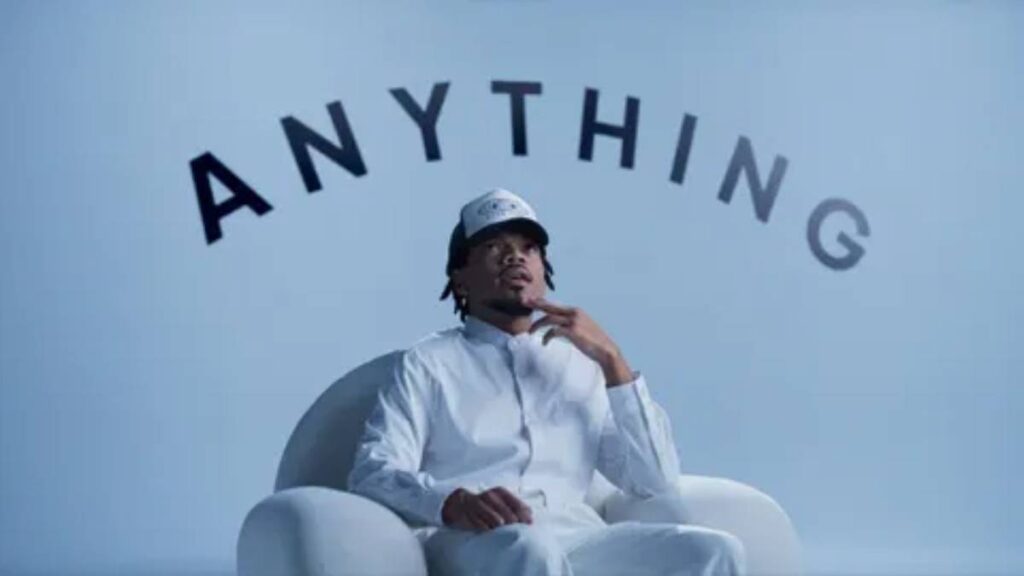
Quite different from sports or food brands, CoreWeave’s campaign targeted a professional audience: tech leaders, developers, innovators. It wasn’t a playful ad, but a positioning statement.
Featuring a recognizable figure as part of its rollout, the message was simple: CoreWeave is built for rapid innovation; the cloud that can handle ambition and scale. The campaign spanned TV, podcasts, airport displays, and digital channels, aiming less at consumers and more at decision‑makers.
This shows how AI campaigns aren’t just for flashy consumer moments. They can anchor serious B2B positioning and help a brand enter a category conversation with clarity and boldness.
8. Hypothetical 2026 AI Persona Marketing Campaign
Imagine a brand that built a responsive system where profiles aren’t static but evolve with behavior. Instead of segment buckets like “women 25‑34,” it might generate dynamic customer profiles in real time, factoring in purchases, engagement patterns, and content consumption, and adjust messaging across channels accordingly.
For many marketers, this sort of run‑time personalization isn’t far‑fetched anymore. Brands are quietly experimenting with dynamic personas that adjust with every interaction. When done thoughtfully, it feels less like a segmented broadcast and more like a genuine conversation.
This kind of campaign won’t be a headline grabber in the same way a surreal NBA spot or a Super Bowl ad is, but it could quietly lift conversion rates and engagement across funnels.
Across these campaigns, a few truths stand out: well‑led creative direction still matters, cultural moments amplify attention, and even tight budgets can win big if the idea connects with people. The way AI is used varies, but when it’s harnessed to tell stories, elevate ideas, or invite participation rather than just automate creation, the results tend to stick and stick with audiences.
Enroll Now: AI Marketing Course
How to Plan Your Own High‑Impact AI Marketing Campaign
Planning an AI marketing campaign rarely goes exactly how it looks on paper. There’s always something that shifts once things go live: audience behavior, creative fatigue, timing… something. That’s normal.
Still, a bit of structure upfront makes a big difference.
Start with the objective. Not the vague kind; “grow the brand” doesn’t help much. It needs to be specific enough to guide decisions later. Awareness, conversions, retention… each one pushes the campaign in a different direction. And once that’s locked, it gets easier to say no to things that don’t fit.
Tool selection comes next, but this is where teams often overcomplicate it. Not everything needs to be cutting-edge. Some campaigns run better with a simple setup that’s well understood rather than a stack of tools nobody fully uses. The question isn’t “what’s available?” ; it’s “what actually helps move this campaign forward?”
Then there’s the human side of it. This part gets overlooked more often than it should. Automation can handle a lot, sure, but the tone, the messaging, the feel of the campaign… that still needs a steady hand. Without that, things start to feel off. Slightly generic. Hard to explain, but audiences pick up on it.
Testing is where things start to get interesting. Campaigns almost never perform best in their first version. Small tweaks, a headline, a visual, even timing, can shift results more than expected. The teams that treat campaigns as something flexible, not fixed, usually get better outcomes over time.
And then, quietly sitting in the background, there’s brand safety and ethics. Not the most exciting part, but probably one of the most important. A campaign can gain attention quickly, but trust is slower to build… and much easier to lose.
In the end, it’s less about having a perfect plan and more about staying responsive. The campaigns that work tend to evolve as they go.
Pitfalls & Ethical Considerations in AI Marketing
For all the upside, AI marketing has a few sharp edges. Most of them don’t show up immediately either; they creep in over time.
One of the more obvious ones is what people casually call “AI slop.” It happens when content is produced at scale without enough thought behind it. On the surface, everything looks fine. But after a while, it starts blending together. Same tone, same structure, nothing really stands out. Audiences don’t always call it out directly… they just stop engaging.
Transparency is another tricky area. Not every campaign needs to highlight how it’s made, but when something feels deceptive, people notice. Especially with generated personas or endorsements. There’s a line there, and crossing it usually isn’t worth the short-term gain.
Bias is a quieter issue, but it’s real. Campaign outputs reflect the data behind them, and that data isn’t perfect. Without someone reviewing things carefully, it’s easy for messaging to lean in unintended directions. Sometimes subtly. Sometimes not.
Then there’s regulation. It’s evolving, and not always in a predictable way. Data privacy, disclosure requirements, content guidelines… all of it matters more now. Ignoring it isn’t really an option anymore.
And finally, perception. This one’s harder to measure, but easy to feel. When campaigns rely too heavily on automation, they can start to feel distant. Almost mechanical. People don’t always articulate it that way, but the connection weakens.
None of this means AI marketing is risky by default. It just means it needs a bit more attention. The brands that handle this well don’t treat ethics as a checklist; it’s baked into how they operate.
Future Trends in AI Marketing Campaigns
Things are moving fast. Not in a hype-driven way, but in a quiet, steady shift that’s already changing how campaigns run behind the scenes.
One of the bigger changes is automation becoming more… independent. Campaigns are starting to manage larger parts of themselves, adjusting targeting, budgets, and even creative direction without constant input. Not fully hands-off yet, but heading that way.
Personalization is also getting deeper. It’s no longer just about segments or categories. Messaging is beginning to adapt to behavior in real time; what someone clicked, how long they stayed, and what they ignored. It gets very specific, sometimes surprisingly so.
Another shift is how different systems work together. Instead of one tool handling one task, there’s more coordination happening across the board. Planning, execution, measurement; all connected. When it works well, it feels less like separate steps and more like a continuous loop.
Strategy itself is becoming more fluid, too. Campaigns aren’t locked into a fixed plan for weeks or months anymore. They adjust as new data comes in, sometimes daily. That changes how teams think about planning; less rigid, more adaptive.
And underneath all of this, there’s a growing focus on responsibility. Not just because it’s expected, but because it’s becoming a competitive advantage. Brands that handle data carefully, communicate clearly, and respect their audience tend to stand out more.
If there’s one pattern here, it’s this: campaigns are becoming more responsive. Less static, more alive. And the role of the marketer shifts a bit; less about controlling every detail, more about guiding the direction and knowing when to step in.
Conclusion
AI marketing campaigns don’t feel “new” anymore. That phase passed quietly. Now they’re just… there. Sitting inside workflows, influencing decisions, sometimes without much noise around them.
And that’s probably the bigger shift. It’s not about adopting AI anymore; it’s about how it’s being used when nobody’s really talking about it.
Some teams are thoughtful with it. Others just bolt it on because it sounds right in a deck. The gap between those two shows up pretty quickly in results.
Because, honestly, the same old problems still break campaigns. Weak messaging. Forgettable creative. A loose grip on what the audience actually cares about. AI doesn’t solve any of that. If anything, it makes the cracks more obvious. Faster, too.
When a campaign works, it’s usually not because it’s “AI-powered.” It’s because the idea holds up. The creative feels right. The execution is tight. The AI part just helps it move; adjust, respond, scale a bit better. That’s it.
Looking forward, things will keep speeding up. Campaigns reacting mid-flight, personalization getting sharper, decisions happening closer to real time. Useful, no doubt. But it also puts more pressure on judgment. Not less.
There’s a temptation to do more; more variations, more channels, more automation loops. That can backfire. Most of the time, the edge comes from restraint. Knowing what actually matters, and focusing there.
So yeah, it’s not about replacing marketers or turning everything into a system. It’s more practical than that. Better decisions, made a bit faster. With a clearer sense of what to leave alone.
FAQs: About AI Marketing Campaigns
1. What are AI marketing campaigns, and how do they work?
They’re not fixed campaigns in the traditional sense. Things shift while the campaign is live; messaging changes, targeting tightens, timing adjusts. All based on how people are interacting. It’s less “set and run,” more like something that keeps correcting itself as it goes, sometimes in small ways you barely notice.
2. How can AI improve the performance of marketing campaigns?
Mostly by cutting down lag. Patterns show up earlier, so teams don’t wait days to react. Spend moves where it’s working, weak spots get trimmed, and creative gets tweaked mid-way. It’s not magic; bad strategy still struggles, but execution becomes quicker, a bit sharper, less wasteful overall.
3. Which industries benefit the most from AI marketing campaigns in 2026?
Anywhere things move fast. Retail, travel, finance, entertainment; lots of user activity, constant change. That’s where AI tends to shine. Slower sectors still benefit, just differently. The feedback loop stretches out, so improvements come, but not at the same pace. Data volume plays a big role here.
4. What are the best tools for creating AI marketing campaigns?
There’s no clean answer, which can be frustrating. Different teams need different things. Some care about creative generation, others about targeting or analytics. In practice, simpler tools that are fully understood tend to outperform complicated stacks that look impressive but rarely get used properly.
5. How much does an AI-powered marketing campaign cost?
It ranges more than people expect. A focused campaign can be fairly manageable. Once you add channels, personalization layers, and constant optimization, costs climb. But budget alone isn’t the issue. Misaligned goals usually waste more money than limited budgets ever do. That’s where things slip.
6. Can AI generate creative content for ads without human input?
It can, yes. But the output often feels a bit off if left untouched. Tone misses slightly, messaging lacks sharpness, or it just blends in. A human pass, even a light one, usually makes a noticeable difference. Without that, campaigns risk feeling generic.
7. What are some recent successful AI marketing campaigns?
A few stand out, mostly because they didn’t lean too heavily on the tech itself. Personalized storytelling, interactive ideas, and some bold creative directions. The pattern is pretty consistent, though; strong core idea first, AI supporting it quietly rather than trying to be the headline.
8. How does AI help in audience segmentation and targeting?
It breaks audiences into smaller, more behavior-driven groups. Not just demographics, but actions, timing, patterns. That opens up more precise targeting. Still, it’s not something to ignore after setup. Segments drift, behavior changes; it needs watching or it slowly loses relevance.
9. Can AI optimize ad budgets in real time?
Yes, and this is where it’s genuinely useful. Spend shifts based on performance without waiting for reports. But it’s not fully hands-off. If the setup is off, it just optimizes in the wrong direction faster. So, it needs a bit of oversight to stay on track.
10. Are AI marketing campaigns ethical and safe for brands?
They can be, but it depends on how carefully they’re handled. Issues usually come from skipping checks, bias in outputs, unclear messaging, and over-personalization. None of it is hard to avoid, but it does require attention early on, not after something goes wrong.
11. How do AI marketing campaigns increase engagement and conversion rates?
Mostly through relevance. Content lands better when it matches what someone is already interested in or likely to need. Add faster testing to that, and weak versions don’t stick around long. The lift isn’t always dramatic at first, but it compounds over time.
12. What is the role of generative AI in marketing campaigns?
It helps teams explore more directions quickly. Instead of settling on one idea early, there’s room to test a few. That said, raw outputs rarely go out as-is. They need shaping. The campaigns that perform well are usually refined heavily before anything goes live.
13. How do I measure the ROI of an AI marketing campaign?
The usual metrics still matter: conversions, revenue, engagement. What changes is how quickly patterns show up. There’s more data, earlier signals. The tricky part is not collecting it, but interpreting it properly and acting before the moment passes.
14. Can small businesses run AI marketing campaigns effectively?
Yes, sometimes even better. Smaller teams tend to move faster and test more freely. The mistake is trying to scale too quickly. Starting narrow, learning what works, then expanding; that tends to work better than jumping into a full setup too early.
15. How does AI personalize marketing messages at scale?
It adjusts content based on behavior: clicks, browsing, and past interactions. Not just surface-level changes. When done well, it doesn’t feel like personalization at all, just relevance. Done poorly, it feels forced. That line is thinner than most expect.
16. What are the risks of relying too heavily on AI for campaigns?
Things start to feel… flat. Messaging loses character, decisions become overly pattern-driven, and context gets missed. AI is good at repetition and optimization, but not great at nuance. Without human input, campaigns can drift into something forgettable.
17. How does AI integrate with traditional marketing tools and CRM?
It usually sits on top of existing systems, pulling in customer data, past interactions, and campaign history. When it’s set up cleanly, everything feels connected. When it’s not, you get fragmented messaging, and that shows up quickly in how audiences respond.
18. Can AI create video ads and social media content automatically?
Yes, more than before. But raw outputs often need adjustment. Timing, tone, and pacing; those small details matter a lot in practice. Without them, content works on paper but doesn’t really land with people.
19. What trends in AI marketing campaigns should brands watch in 2026?
Less “big reveal” campaigns, more continuous ones. Things that adjust quietly in the background. Personalization is getting sharper, but also more scrutiny around ethics and transparency. It’s not just about performance anymore; it’s about how it’s done.
20. How can marketers start experimenting with AI campaigns today?
Start smaller than expected. One use case, one channel, something manageable. Let it run, see what actually happens; not what’s expected to happen. Then adjust. Most learning comes from those early, slightly messy iterations, not from perfect setups.