
eCommerce marketing trends look nothing like they did three or four years ago, and brands still running 2021 playbooks are starting to feel it. This blog breaks down the trends reshaping how online stores attract, convert, and keep customers. From AI-driven personalization and social commerce to voice search, omnichannel retail, and sustainability marketing, there’s a lot moving at once. The goal here isn’t to list every shiny new thing; it’s to cut through the noise and talk about what’s actually worth your attention as a marketer or brand owner navigating the eCommerce space right now.
Table of Contents
Introduction:
The eCommerce Landscape Has Shifted, Again
Running an eCommerce brand today feels a bit like trying to hit a moving target in poor lighting. The market is growing. Globally, eCommerce sales are enormous and climbing year after year. And yet, if you talk to most eCommerce marketers privately, they’ll tell you things feel harder, not easier. Customer acquisition costs are up. Attention spans are down. Shoppers are pickier. And the channels that used to be reliable are getting noisier by the month.
This isn’t a doom-and-gloom take. It’s just the reality of a maturing market. And when a market matures, the brands that survive the transition are the ones that understand why things are changing, not just what’s changing.
So this blog is structured around that question. Not “here are the top 10 trends!”, but rather: what’s actually driving these shifts, and what do marketers need to think about differently because of them?
AI-Powered Personalization, Not the Buzzword Version
Let’s be honest, “AI personalization” has become one of those phrases that gets thrown around so much it almost loses meaning. Every tool claims to do it. Every brand says they’re investing in it.
But here’s the thing. Research consistently shows a massive gap between what brands think they’re delivering in terms of personalization and what customers actually experience. Most brands get the surface layer right: a name in an email subject line, a “based on your browsing” recommendations block. What they miss is the deeper layer: recommendations that actually reflect who the customer is, not just what they clicked on yesterday.
Real personalization means pulling from purchase history, browsing behavior, loyalty tier, location, and even inventory availability, and doing it in real time, across every touchpoint. Brands like Wayfair have built machine learning systems that factor in room dimensions, home ownership status, and seasonal patterns to suggest products. That’s a different thing entirely from the standard “you might also like” sidebar.
The practical implication for most eCommerce teams isn’t “build a machine learning system.” It’s this: start collecting better first-party data now. With third-party cookies disappearing and privacy regulations tightening, the brands that have rich, permission-based customer profiles from their own channels, email, loyalty programs, and app behavior will have a compounding advantage over the next few years.
One more thing worth saying here: personalization also applies to timing, not just content. Sending someone a discount code for a product they bought two weeks ago isn’t personalization. It’s an annoying reminder that you don’t know them.
Social Commerce and Influencer Marketing, Where Discovery Became Checkout
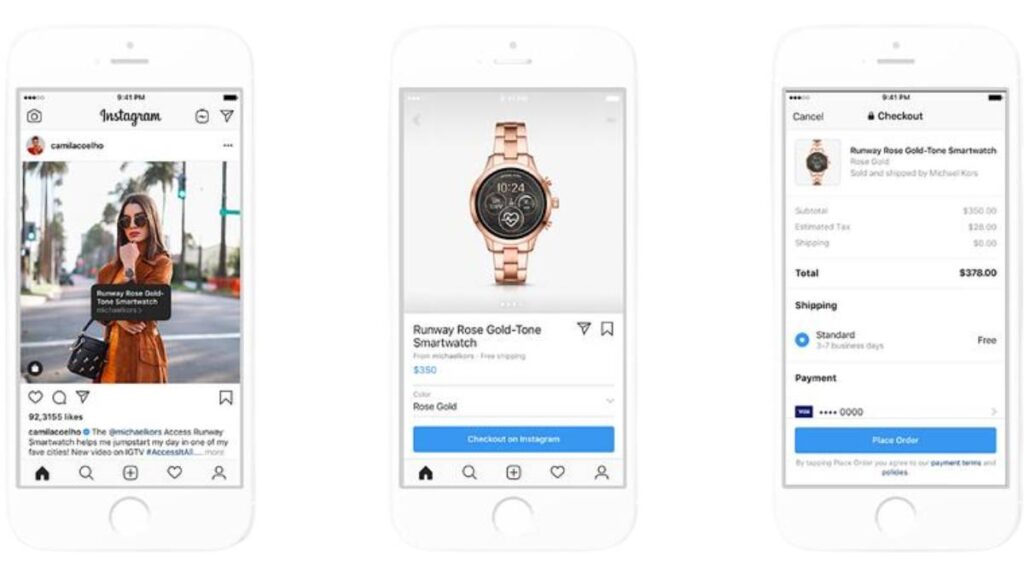
There was a period, not that long ago, when social media was purely a discovery layer. Someone would see a product on Instagram, want it, and then navigate to Google, then to the brand’s website, then (maybe) complete a purchase. A lot could go wrong in that journey.
That journey is collapsing. Platforms like TikTok Shop and Instagram Shopping have effectively turned content into commerce. The product someone sees in a video can now be purchased without ever leaving the app. That’s a fundamental shift in the purchase path, and brands that haven’t adapted are leaving real revenue on the table.
TikTok deserves its own paragraph here. The platform has become a genuine product discovery engine, especially for younger shoppers. Plenty of Gen Z consumers now start their product search on TikTok rather than Google or Amazon. That’s not a small anecdote; that’s a structural change in search behavior. And it has real SEO implications, not just social media ones.
Live commerce is also gaining traction, though it’s further along in Asian markets than it is in the West. The basic idea, a creator demos a product live, viewers can ask questions and buy in real time, solves a real problem in online shopping: the inability to see a product in action. Conversion rates from live shopping are meaningfully higher than from standard product pages, and that gap is hard to ignore.
On influencer marketing: the mega-influencer era is cooling off. Brands that spent enormous budgets chasing celebrities with millions of followers found that engagement didn’t always follow. The smarter shift now is toward micro-influencers, creators with smaller, more specific audiences who have genuine credibility with their followers. The trust is different. When a skincare creator with 40,000 followers recommends a moisturizer, their audience believes it in a way that a celebrity partnership rarely achieves.
User-generated content sits in a similar lane. A real photo of a real person using your product, shared organically, without a brand fee attached, still outperforms polished brand content in terms of trust. That’s not a new finding. But a lot of brands still underinvest in making UGC easy to generate and showcase.
Mobile Commerce and Omnichannel eCommerce Marketing: This Is the Real Core
Mobile commerce deserves more seriousness than it gets. It’s not a “trend” anymore. It’s the main channel. The majority of eCommerce traffic, and a huge portion of completed purchases, now happens on a phone. Not just browsing. Actual buying.
And yet the mobile experience on a lot of eCommerce sites is still clearly designed by people who primarily use laptops. Small tap targets. Check out the flows that require too many steps. Images that don’t load properly. Cart abandonment rates on mobile are still significantly higher than on desktop, and that gap exists largely because the experience hasn’t kept up with the behavior.
What mobile-first actually requires isn’t just responsive design, it’s rethinking the whole funnel from a thumb’s perspective. Can someone find the product they want quickly? Is the checkout genuinely one or two taps? Are the product images clear enough at small sizes to make someone feel confident buying? These are table-stakes questions, and many stores still fail on at least one of them.
On omnichannel, this is where brands either win or lose customers they should have kept.
The modern shopping journey is genuinely messy. A customer might discover a product on TikTok, research it on the brand’s website from their laptop, visit the physical store to see it in person, and then complete the purchase on their phone while on the train home. That’s not unusual behavior. That’s increasingly normal behavior.
Brands that treat each of these touchpoints as separate silos frustrate customers constantly. The person who browsed your site yesterday shouldn’t see a “welcome, new visitor” pop-up today. The customer who bought online shouldn’t get blank stares from in-store staff when they want to return something. Omnichannel isn’t just about being present everywhere; it’s about those channels actually talking to each other.
BOPIS (buy online, pick up in store) and BORIS (buy online, return in store) aren’t just logistical conveniences; they’re trust signals. They tell customers that the brand has its act together across channels. Retailers who’ve invested in these capabilities are seeing foot traffic benefits on top of the obvious convenience wins.
The data is pretty clear on this: brands with strong omnichannel strategies retain customers at much higher rates than those without. That’s worth sitting with for a moment. Retention is the underrated side of eCommerce growth.
Voice Search Optimization and Conversational Commerce
Voice search has been “the next big thing” for a while now, which has made some marketers skeptical. But the adoption numbers have quietly become substantial. A significant portion of the US population owns a smart speaker. Voice-enabled shopping is growing, especially among social media-heavy demographics.
The real shift that voice creates for eCommerce SEO isn’t about volume; it’s about query structure. Text searches are short and clunky: “wireless headphones under 100.” Voice searches are conversational: “Hey Google, what are some good wireless headphones for under a hundred dollars that work well at the gym?” These are different queries, and they require different content strategies to rank for.
For eCommerce brands, optimizing for voice means a few concrete things:
Your FAQ content needs to actually answer questions the way people speak, not the way marketers write. Structured data markup helps voice assistants surface your product details. Page speed matters more for voice than almost any other ranking signal. And featured snippets, the short, direct answers that appear at the top of search results, are what voice assistants typically read aloud. If your content isn’t getting featured snippets, voice search isn’t going to find you.
Conversational commerce is a related but slightly different thing. AI chatbots on eCommerce sites have matured significantly. The gap between a helpful chatbot and an annoying one is mostly about how well it understands context. A good conversational AI can help someone narrow down a product choice, explain a return policy clearly, and handle a simple order issue, without transferring to a human. A bad one answers “I’d be happy to help!” and then asks for your order number for the third time.
Most brands are still somewhere in the middle. The ones getting it right are the ones that have trained their chatbots on real customer conversations, not just generic FAQs.

Enroll Now: AI-Powered Performance Marketing Course
Buy Now Pay Later and Flexible Payments, The Checkout Revolution
BNPL (Buy Now Pay Later) doesn’t get nearly as much attention in marketing conversations as it deserves, because it tends to be categorized as a finance product rather than a marketing tool. But at the cart level, it absolutely functions as a conversion tool.
The basic psychology is straightforward: breaking a $180 purchase into four payments of $45 feels different to a buyer, even if the math is identical. It lowers the perceived barrier to purchase, especially for higher-ticket items. Brands that offer BNPL, through Klarna, Afterpay, or similar services, tend to see lower cart abandonment rates and higher average order values, particularly in categories like fashion, electronics, and home goods.
What’s worth noting here is that this trend has moved beyond just the BNPL providers. Check out more broadly has become a battleground for conversion. Digital wallets now account for the majority of eCommerce transactions globally. One-click checkout options have gone from a premium feature to an expectation. And a meaningful percentage of cart abandonments happen simply because a store doesn’t offer the shopper’s preferred way to pay.
The practical takeaway: audit your checkout. Look at where people drop off. If your checkout requires account creation, consider a guest option. If you’re not offering at least one wallet-based payment method, that’s worth addressing. These aren’t glamorous changes. But they’re often the ones with the clearest, most direct impact on conversion.
Sustainability Marketing, From Differentiator to Baseline
A few years ago, sustainability was something brands could use to stand out. A sustainable packaging initiative, a carbon-neutral shipping option, a recycled materials story- these felt distinctive. They still do in some categories. But the goalposts have shifted.
Especially among younger shoppers, Millennials and Gen Z, sustainability has moved from a nice-to-have to a basic expectation. Brands that don’t have a clear, credible story about environmental and ethical practices are increasingly at a disadvantage, not just an opportunity loss. And “credible” is the operative word. Vague claims about being “eco-friendly” without specifics have become a liability, not an asset, as shoppers have gotten more skeptical.
What actually works here is transparency. Shoppers aren’t expecting perfection , they know supply chains are complicated. What they want is honesty: where are your products made, what materials are used, what are you actually doing (not just planning to do) about packaging. Brands that share real information, even imperfect information, tend to earn more trust than brands that make sweeping sustainability claims without backing them up.
The resale and recommerce angle is also picking up. Platforms that let brands facilitate pre-owned or refurbished product sales, either through their own site or through partners, are tapping into both the sustainability trend and the value-seeking behavior that’s become dominant in a high-inflation environment.
Augmented Reality, Real Potential, But Still Niche in Practice
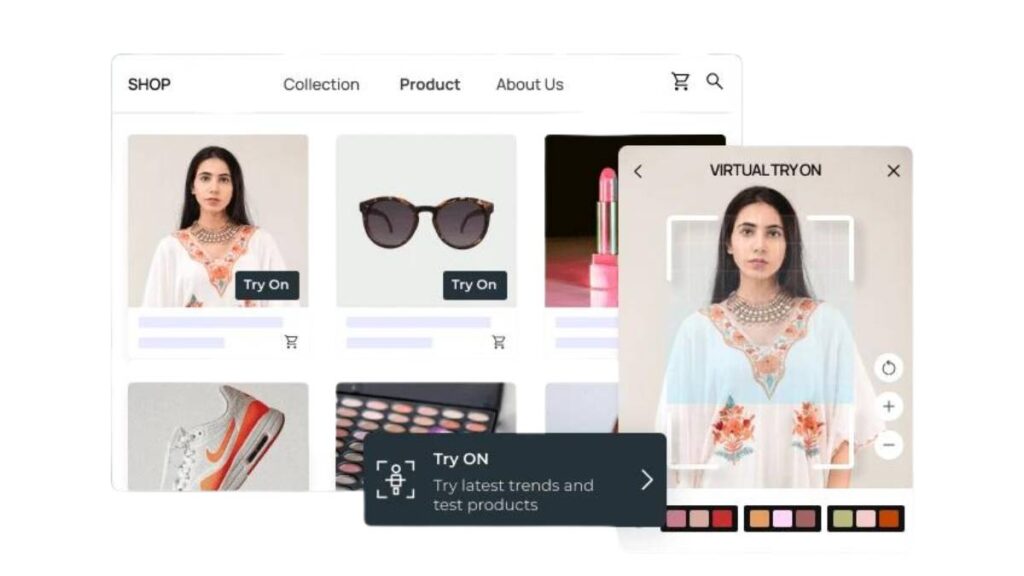
AR in eCommerce has been “almost ready for mainstream” for a while. And the honest version is that it’s genuinely useful in certain categories but still overkill for most.
Where it works well: fashion try-ons, eyewear fitting, furniture placement, beauty try-on features. These are categories where the purchase decision genuinely depends on visualizing a product in a real context, on your face, in your room, on your body. Brands like IKEA, Sephora, and Warby Parker have built real functionality here, and it shows up in their return rates and conversion metrics.
Where it’s less relevant: anything where the purchase decision doesn’t hinge on a visual placement question. If you sell phone cases or kitchen staples, AR probably isn’t where your development budget should go.
The category is growing quickly, and the underlying technology is improving fast. For brands in the right verticals, it’s worth exploring seriously. For everyone else, it’s worth monitoring without over-investing.
Conclusion: Where to Actually Start
If there’s a theme running through all of these trends, it’s this: customers expect more consistency, more relevance, and more honesty from the brands they shop with. That’s not a new idea, but the bar for delivering on it has gotten higher.
The question most brand owners and marketers face isn’t “should we pay attention to these trends?” It’s “where do we actually start?”
Start with mobile. If your mobile experience is genuinely excellent, fast, intuitive, and frictionless checkout, everything else is easier. Then look at personalization, even modest improvements to how you use the customer data you already have. Then think about where your customers actually discover you and whether that matches where you’re investing attention.
The brands getting left behind right now aren’t usually the ones that missed some new platform or technology. They’re the ones who underestimated how quickly shopper expectations were rising and kept doing what had always worked without questioning whether it still did.
FAQs: eCommerce Marketing Trends
What are the most important eCommerce marketing trends?
The trends getting real traction right now are AI-powered personalization, social commerce on platforms like TikTok and Instagram, mobile-first shopping experiences, voice search optimization, and omnichannel strategies that genuinely connect online and offline touchpoints. Sustainability and flexible payment options like BNPL are also reshaping what shoppers expect from brands before they commit to a purchase.
How is AI actually changing eCommerce marketing?
Beyond the buzzword, AI is helping brands do things that weren’t practical before: real-time product recommendations based on live behavior, predictive inventory management, personalized email content at scale, and chatbots that can handle nuanced customer queries. The brands benefiting most aren’t necessarily the biggest ones. They’re the ones using AI tools deliberately rather than just adding them as a checkbox.
What is social commerce and should eCommerce brands care about it?
Social commerce means selling products directly through social media platforms, such as TikTok Shop, Instagram Shopping, and Pinterest, without requiring customers to leave the app to complete a purchase. It matters because shoppers, particularly younger ones, increasingly discover and evaluate products on social platforms before anywhere else. Ignoring that discovery layer means losing customers early in the journey.
Why does mobile commerce matter so much for eCommerce right now?
More than half of all eCommerce purchases now happen on mobile devices, and mobile traffic dominates most stores’ analytics. The issue isn’t that brands don’t know this; it’s that many sites still have checkout flows, image sizes, and navigation structures that were clearly designed for desktop users. Poor mobile UX is one of the most direct, fixable causes of lost revenue in eCommerce.
What is omnichannel eCommerce marketing, and how does it work in practice?
Omnichannel means creating a consistent, connected experience across every channel a customer touches, website, app, email, social media, and physical store. In practice, it means things like allowing online purchases to be returned in-store, showing inventory availability across locations, and not starting from scratch with a customer’s preferences every time they switch devices. When it’s done well, customers don’t notice it. When it’s done poorly, they absolutely do.
How should eCommerce brands approach voice search optimization?
The main shift voice search requires is writing content that matches how people actually speak, not how they type search queries. That means FAQ content structured around full questions, clear direct answers, and structured data that helps search engines surface the right information quickly. Page speed matters here too; voice assistants consistently favor fast-loading sites. Earning featured snippets is the most direct way to appear in voice search results.
What is BNPL, and how does it affect eCommerce conversions?
BNPL, Buy Now Pay Later, lets shoppers split a purchase into installments, usually interest-free. For eCommerce brands, it’s primarily a conversion tool, especially on higher-priced items. Offering BNPL through services like Klarna or Afterpay reduces the psychological friction of a large upfront spend. Brands that added it have generally seen lower cart abandonment rates and higher average order values, particularly in fashion, electronics, and home goods.
Is sustainability marketing actually driving purchasing decisions or is it just good PR?
It’s both, but in different proportions depending on the audience. Among Millennial and Gen Z shoppers, sustainability credentials genuinely influence purchase decisions, not just brand perception. What doesn’t work is vague, unsubstantiated claims. Shoppers in these demographics have become fairly skilled at detecting greenwashing. Specific, honest, and verifiable sustainability practices, real information about materials, supply chains, and packaging, are what actually build trust.
How does AR (augmented reality) help eCommerce brands and who should invest in it?
AR helps solve the core limitation of online shopping: you can’t try or touch a product before buying. Virtual try-ons for eyewear, makeup, and clothing, and room visualization for furniture and home decor, are the categories where AR delivers the clearest return. For brands in those verticals, it’s worth serious investment. For everyone else, the technology is developing fast enough to keep an eye on without rushing to implement prematurely.
What is conversational commerce in eCommerce?
Conversational commerce refers to shopping interactions that happen through chat, either AI-powered chatbots or messaging platforms. When done well, it helps customers find products faster, resolve questions without waiting for email support, and complete purchases through a conversational interface. The effectiveness varies enormously based on how the chatbot is built. Chatbots trained on real customer conversations and product knowledge outperform generic ones by a wide margin.
How have influencer marketing trends shifted in eCommerce?
The big shift is away from reach-at-all-costs toward credibility and niche relevance. Mega-influencer partnerships can still work for brand awareness, but conversion tends to be stronger when brands work with smaller creators who have genuine authority in a specific category. A food creator with 25,000 engaged followers tends to drive more kitchen product sales than a lifestyle influencer with a million general-interest followers. The audience-product fit matters more than the follower count.
What is first-party data, and why does it matter for eCommerce marketing?
First-party data is information you collect directly from your customers, such as purchase history, browsing behavior, email engagement, and loyalty program activity. With third-party cookies phasing out and data privacy regulations expanding, first-party data is becoming the foundation of personalized marketing. Brands that have built rich customer profiles through their own channels have a sustainable advantage. Those that relied heavily on external data sources have to rethink their entire targeting approach.
How can eCommerce brands show up in Google’s AI Overviews and AI Mode?
Google’s AI Overviews tend to pull from content that is genuinely authoritative, well-structured, and written to answer specific questions clearly. For eCommerce brands, this means investing in well-researched blog content, clear FAQ sections, and structured data markup. Thin product description pages alone won’t get you there. The brands showing up in AI Overviews are typically the ones that have built real topical authority, not just keyword-optimized landing pages.
What role does customer retention play in an eCommerce marketing strategy?
Retention is consistently undervalued relative to acquisition in eCommerce marketing budgets. Keeping an existing customer is far cheaper than acquiring a new one, and repeat customers tend to spend more and have higher lifetime value. Many of the trends covered in this blog, personalization, omnichannel, loyalty programs, and better post-purchase communication, are fundamentally retention plays, even when they’re discussed in the context of growth.
Where should an eCommerce brand start if they want to improve its marketing?
Start with an honest audit of the mobile experience and checkout flow; those improvements tend to have the most direct, measurable impact on revenue. Then look at how you’re using the customer data you already have; even simple segmentation in email can meaningfully lift performance. After that, evaluate where your customers are actually discovering you and invest more deliberately in those channels rather than spreading budget evenly across everything.