




















Live online cohort · Applications open

Brand Management Course: Build a 10-part brand strategy playbook in 6 weeks

A 6-week live online course for marketers and career switchers moving into brand management. You do the work brand managers do: audit, insight, positioning, identity, architecture, creative brief and metrics, with AI at every step. Live classes every Saturday and Sunday with brand managers from Asian Paints, Licious, Nykaa and ITC. No prior brand experience needed.

Applying takes about 3 minutes.

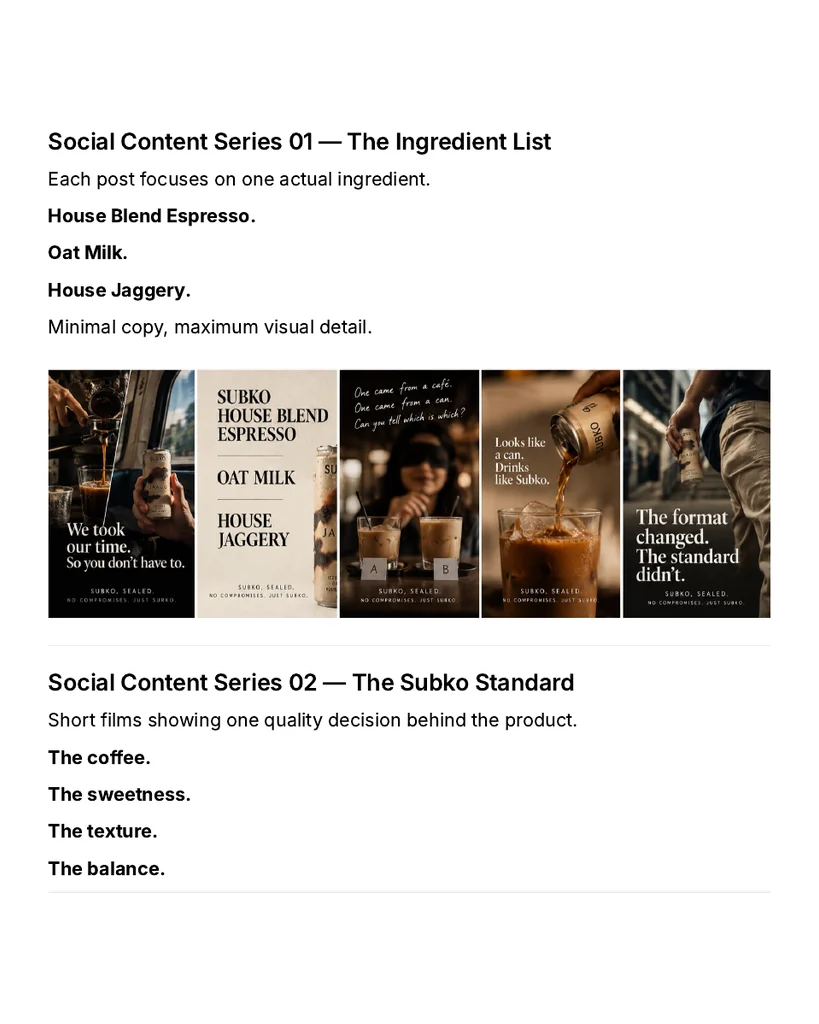
Social content series from a learner's creative brief and campaign strategy assignment
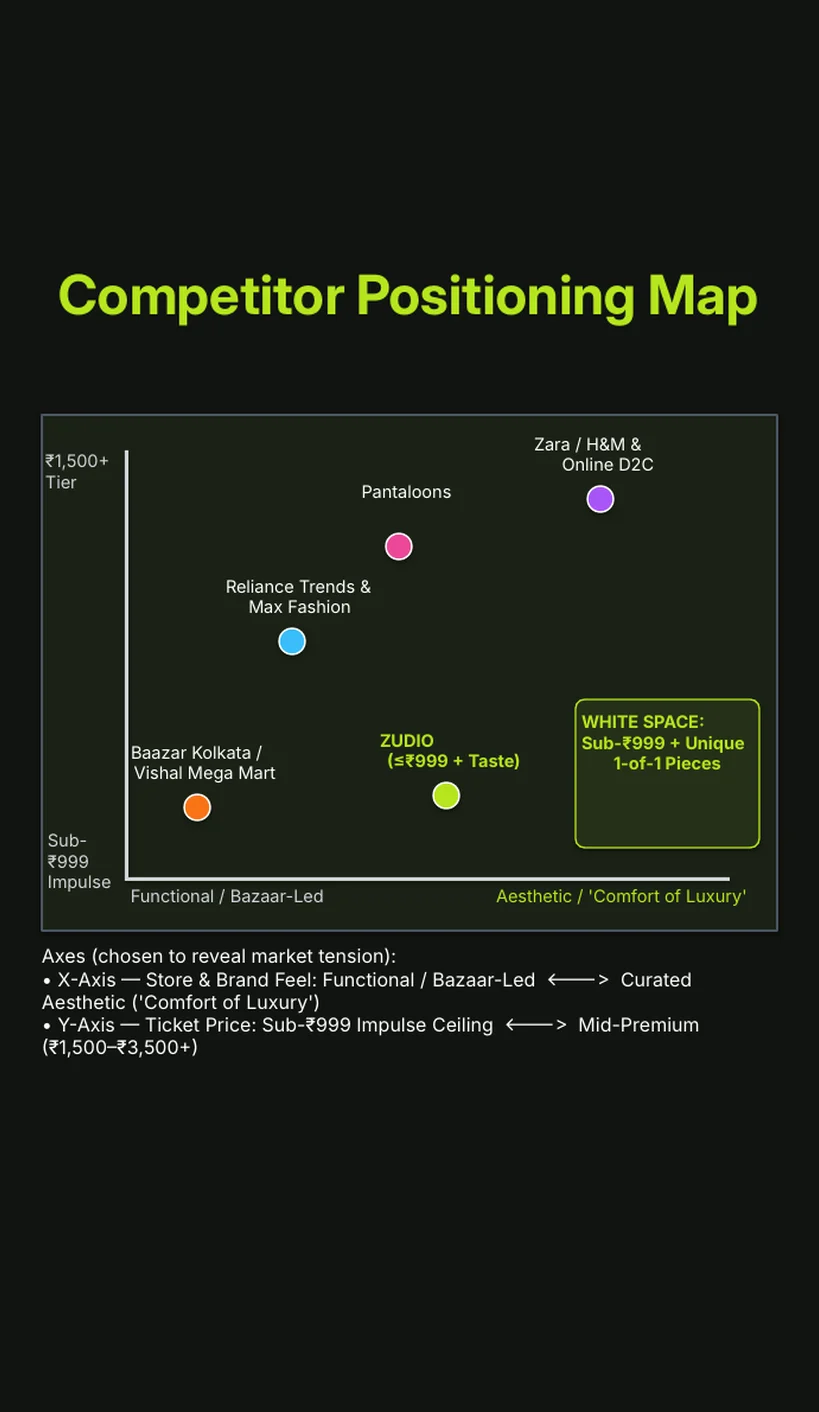
Competitor positioning map from a learner's brand audit on the Brand Management Course
Week 1 Competitor map
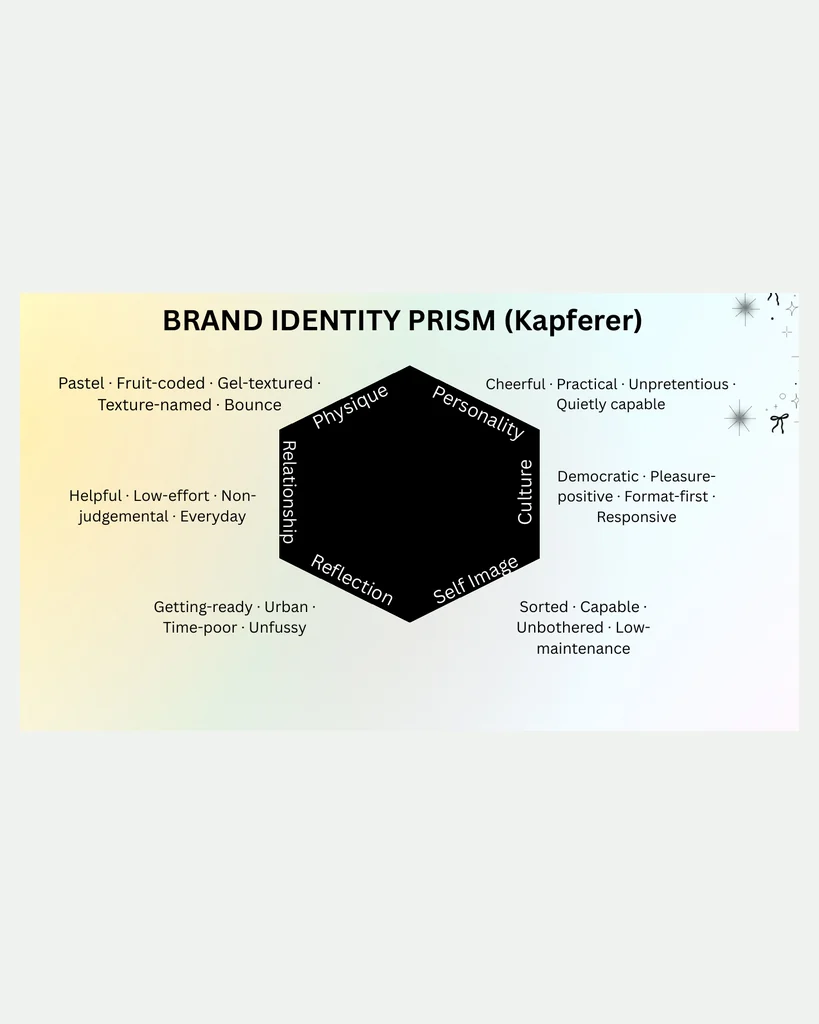
Brand Identity Prism built by a learner for a skincare brand

Built by our learners

  • 6 weeksLive online, plus a capstone week
  • 10:30 AM ISTSat & Sun · 2-hour classes · 9:00 AM Dubai · 1:00 PM Singapore
  • 10-part playbook6 assignments and a capstone
  • 16 brand toolsBrandwatch, Canva, GA4, ChatGPT
  • 4.9 on Google1000+ marketers trained

Young Urban Project learners work at teams like

  • Google
  • Microsoft
  • Amazon
  • Meta
  • Zomato
  • Rapido
  • Ogilvy
  • WPP
  • Dentsu
  • Swiggy
  • Zepto
  • JioHotstar
  • Pocket FM
  • ITC
  • Cadbury

About the course

What is the Brand Management Course?

It's a 6-week live online course that teaches the core work of a brand manager: audit a brand, find the consumer insight, position it, shape its identity and messaging, plan its architecture, brief the creative and measure brand health. Each week you build one section of a complete brand strategy playbook.

Classes run live on Zoom every Saturday and Sunday. They're taught by working brand managers from Asian Paints, Licious, Nykaa and ITC, and built around Indian and global brand case studies rather than slides of theory.

You apply every framework to a real brand, and mentors give feedback on your work. AI is part of every module, for research, insight clustering, messaging variations and brief drafting, so you learn how brand teams work today.

This course is for you if you're a

  • Marketer, social media or content manager who wants to move into a brand role
  • Agency, account or creative strategy professional who wants to think like the client
  • MBA graduate or career switcher aiming for brand manager or assistant brand manager roles
  • Founder who wants a distinct brand, not just a run of campaigns

It's not the right fit if you

The brand strategy sequence: 7 steps from audit to metrics

Brand managers don't start with the logo or the campaign. They start with the market and the consumer, and every later decision builds on the one before. The course follows the same order.

  1. Step 1AuditCategory, competitors and consumers: where the brand stands today.
  2. Step 2InsightThe tension behind what consumers do, not just what they say.
  3. Step 3PositioningPoints of parity and difference, and the whitespace to own.
  4. Step 4IdentityPurpose, personality, tone of voice and messaging.
  5. Step 5ArchitectureMaster brand, sub-brands and which extensions fit.
  6. Step 6Creative briefInsight to idea to creative territory, then the campaign.
  7. Step 7MetricsAwareness, consideration and equity, tracked with clear KPIs.
  8. CapstoneBrand strategy playbookAll 7 steps in one 10-part document you can show in interviews.

What you'll build

A 10-part brand strategy playbook you build and keep

Each week's assignment becomes one part of your Brand Strategy Playbook, reviewed by a mentor. By the capstone week you have a complete strategy for a real brand, ready to walk an interviewer or a client through. Open any tab to see real learner work.

Brand Strategy PlaybookPart 01 of 10
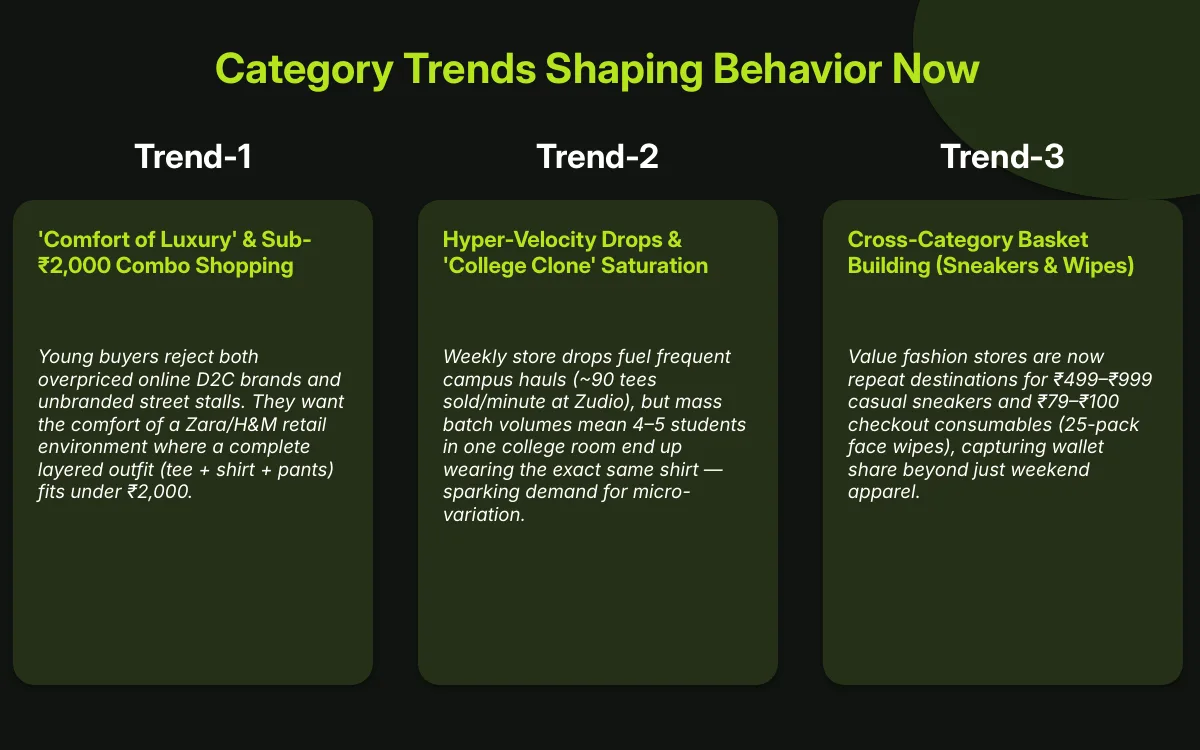
Category trends from a learner's brand audit of a fashion retailer

Brand audit

Category, competitors and consumers: where the brand stands today.

Week 1
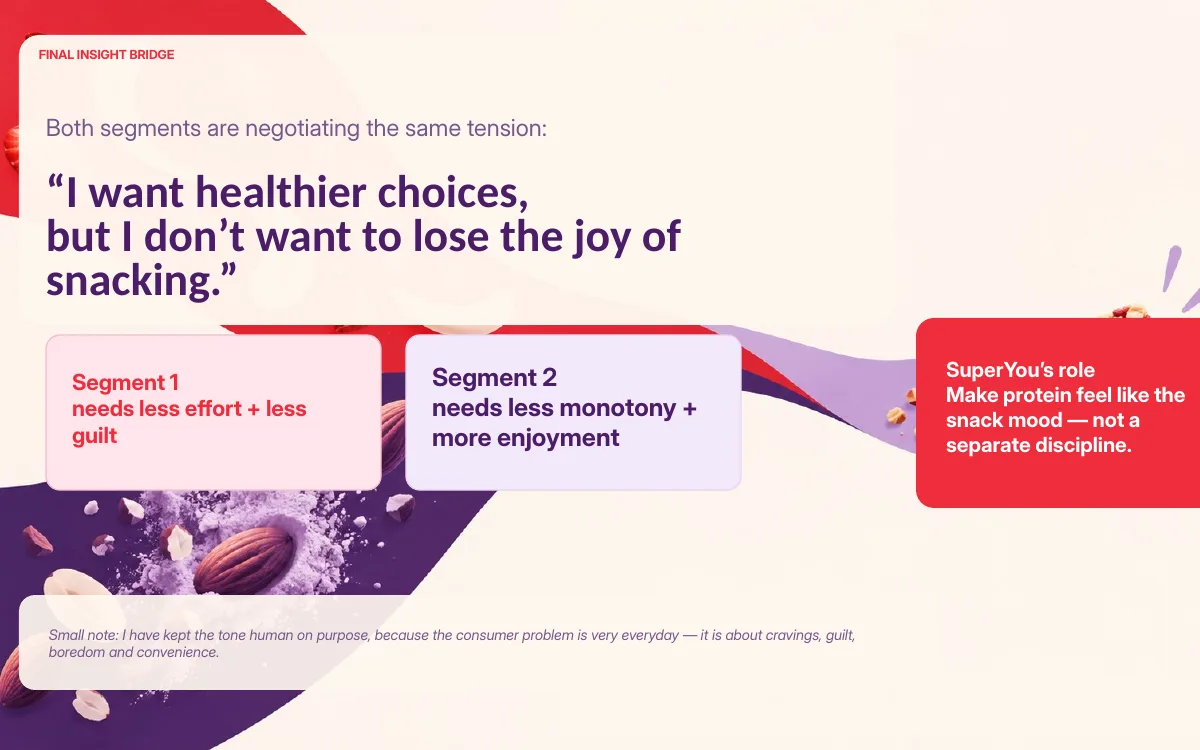
Consumer insight bridging two segments, from a learner's positioning assignment

Consumer insight framework

The tension behind what consumers do, found in real reviews.

Week 2
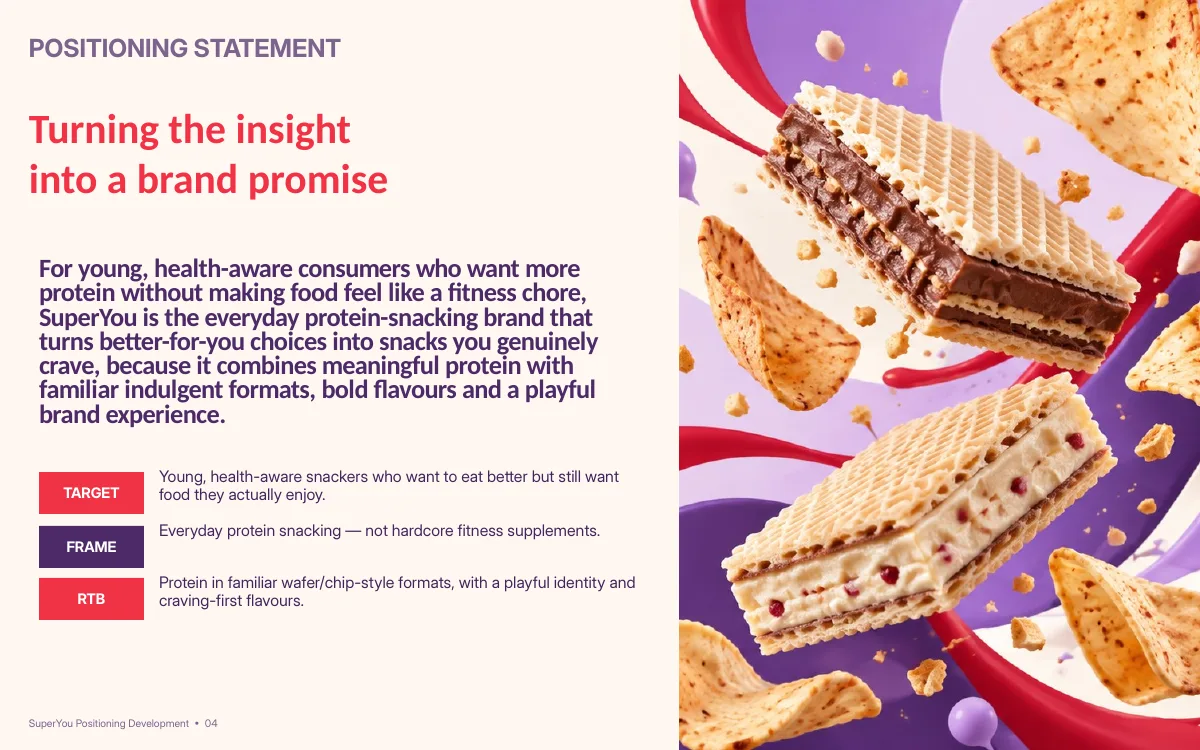
Positioning statement for a protein snack brand, written by a learner

Positioning strategy

Points of parity and difference, written into one positioning statement.

Week 2
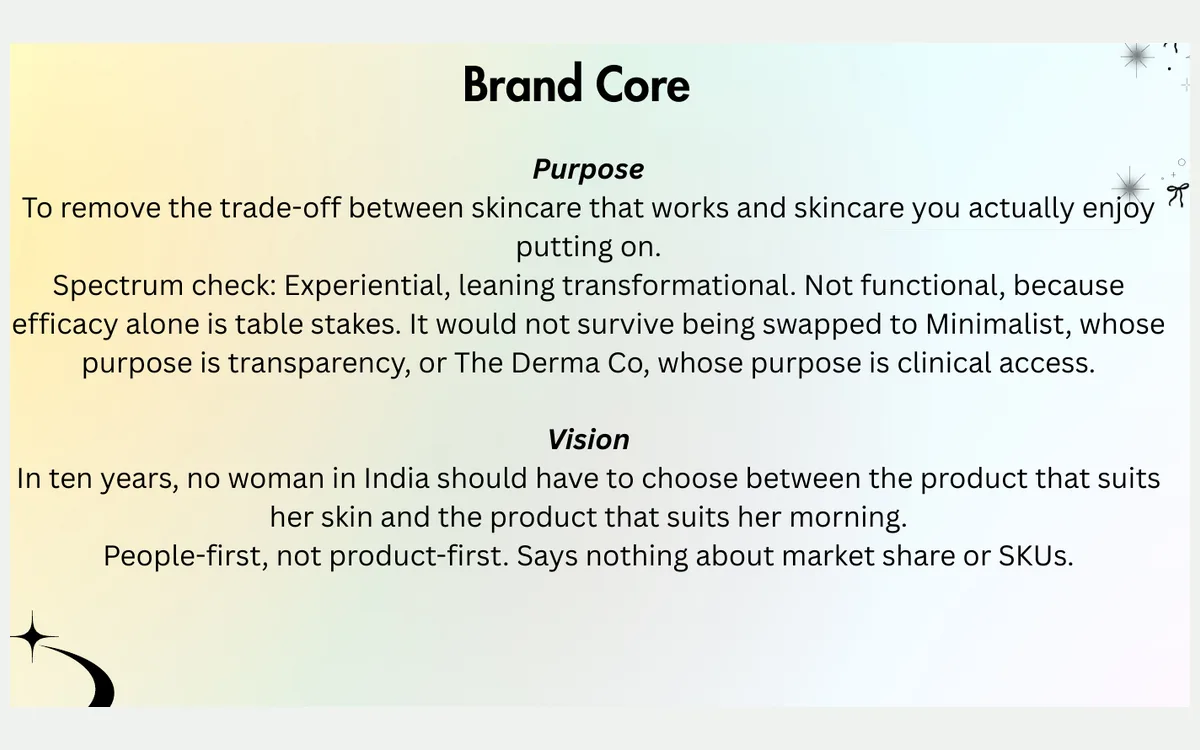
Brand core with purpose and vision for a skincare brand, written by a learner

Brand essence

The purpose, vision and values every later decision answers to.

Week 3
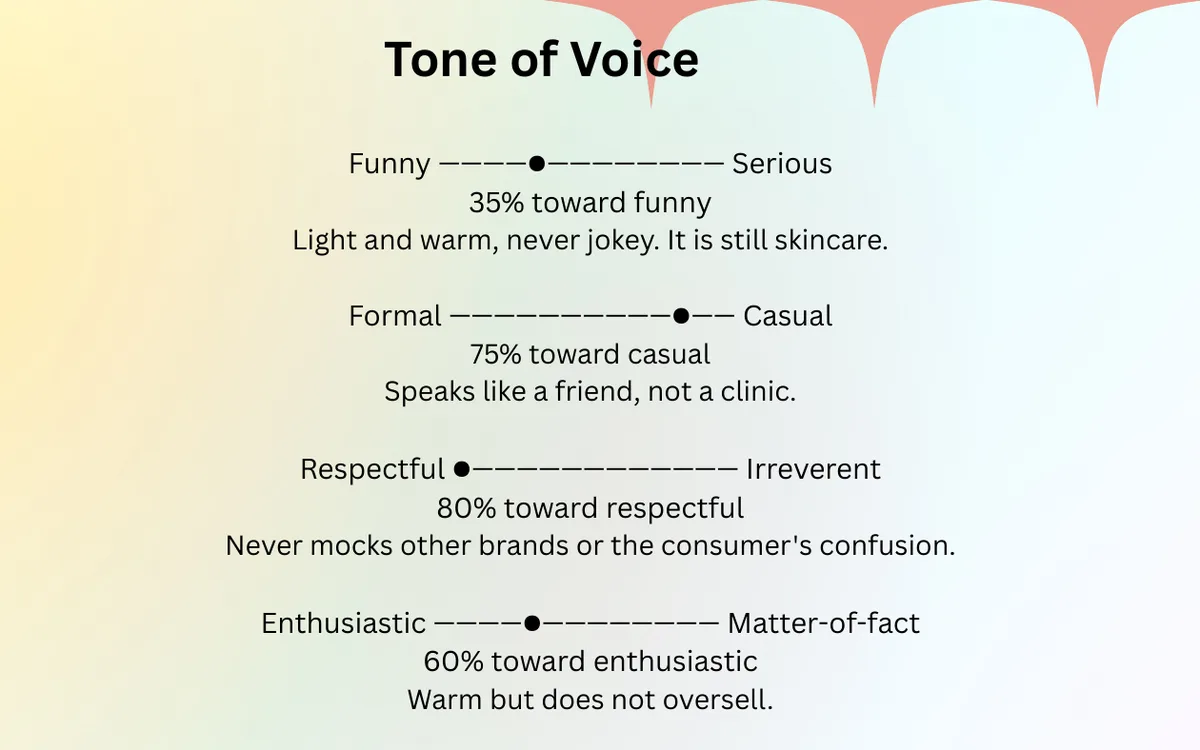
Tone of voice sliders for a skincare brand, from a learner's identity assignment

Brand identity and personality

How the brand behaves and sounds, down to its tone of voice.

Week 3
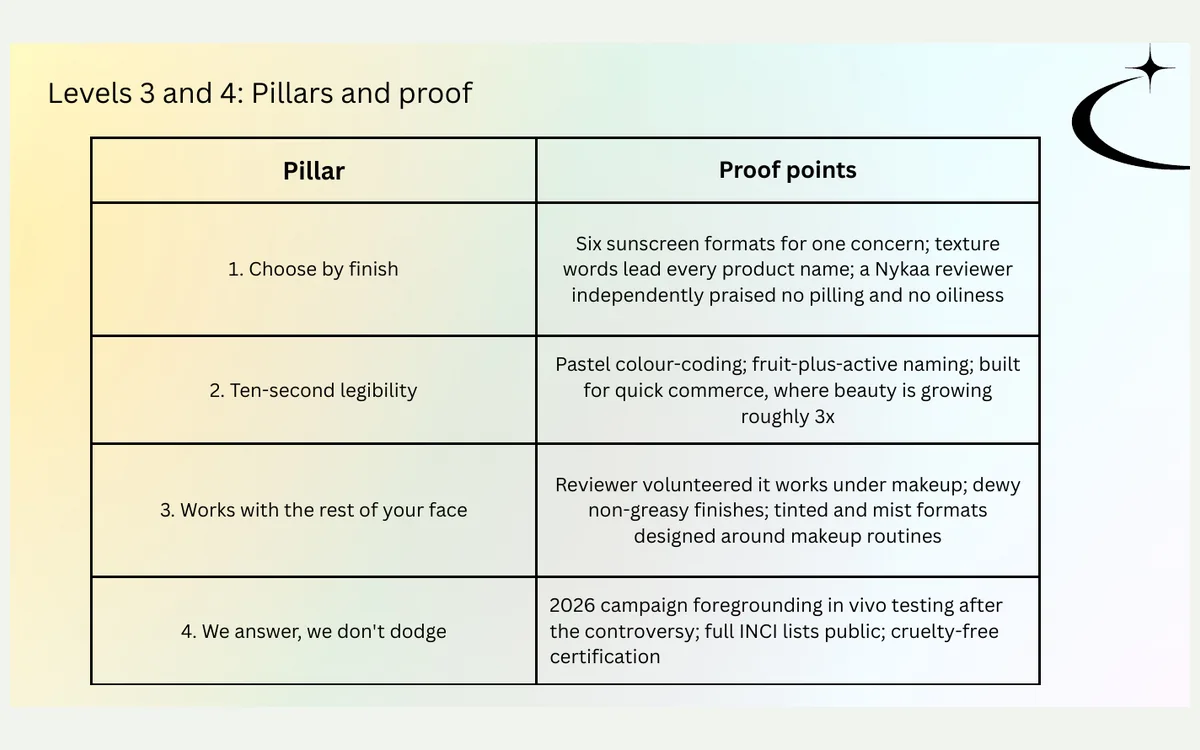
Messaging pillars and proof points table built by a learner

Messaging architecture

Pillars and proof points that keep every channel on message.

Week 3
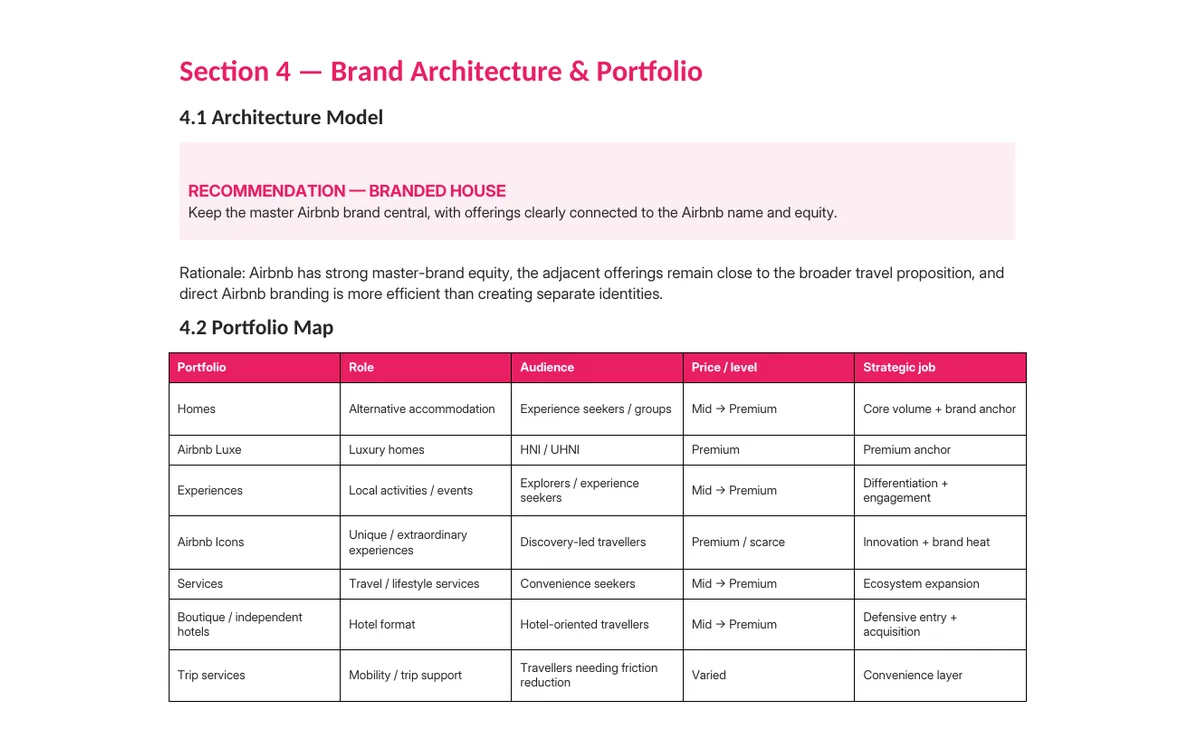
Brand architecture recommendation and portfolio map from a learner's playbook

Brand architecture

How the brand family is organised, mapped across the portfolio.

Week 4
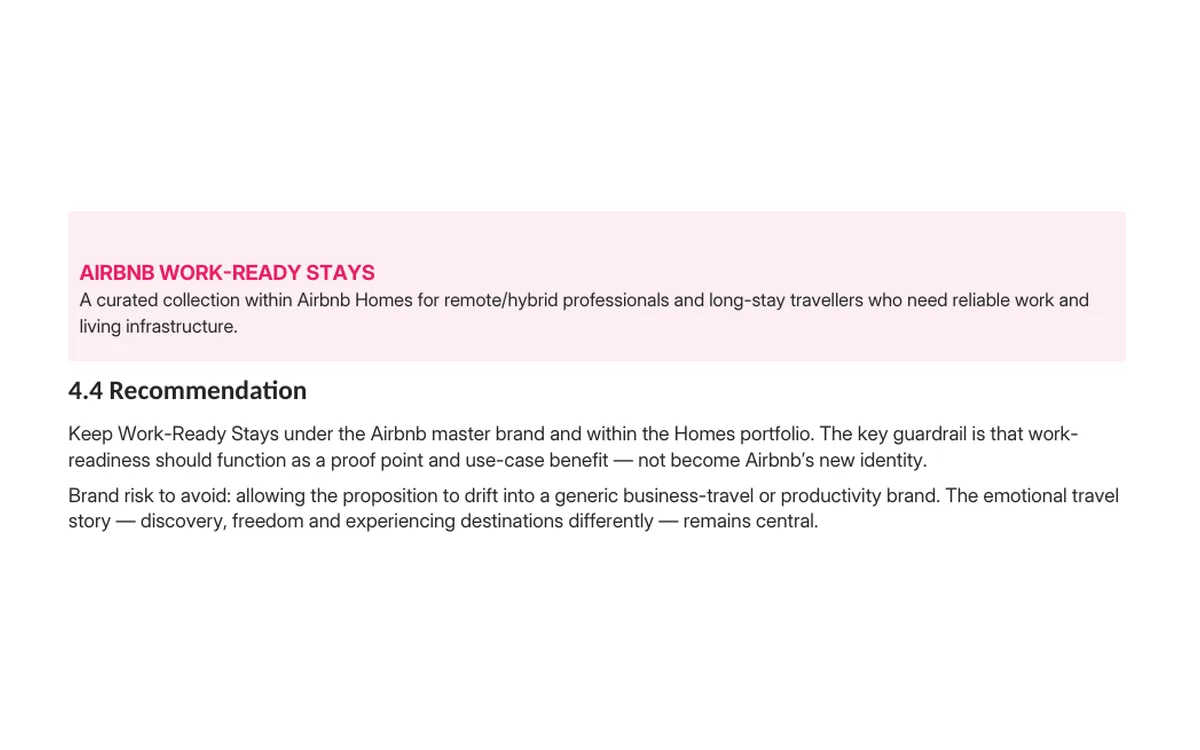
Brand extension recommendation from a learner's playbook

Extension strategy

Which new offer the brand can carry, and the guardrails around it.

Week 4
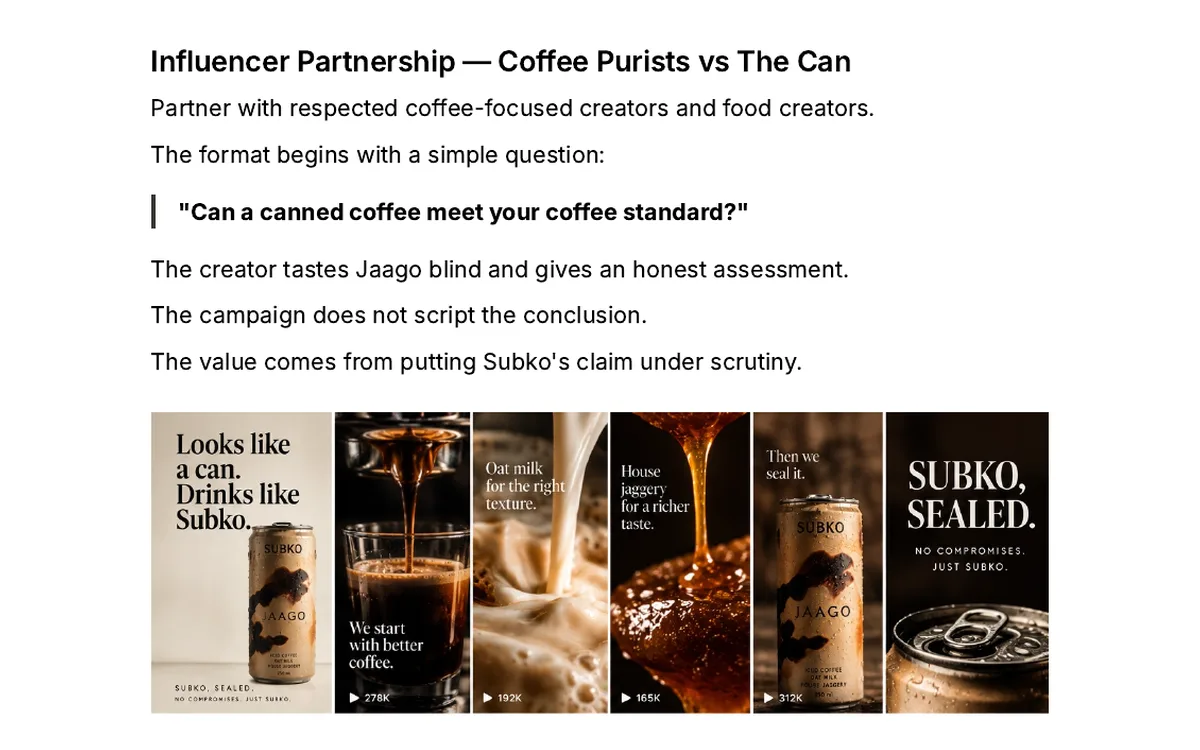
Influencer campaign and social content for a canned coffee brand, created by a learner

Creative brief and campaign idea

A brief, a creative territory and the campaign content that follows.

Week 5
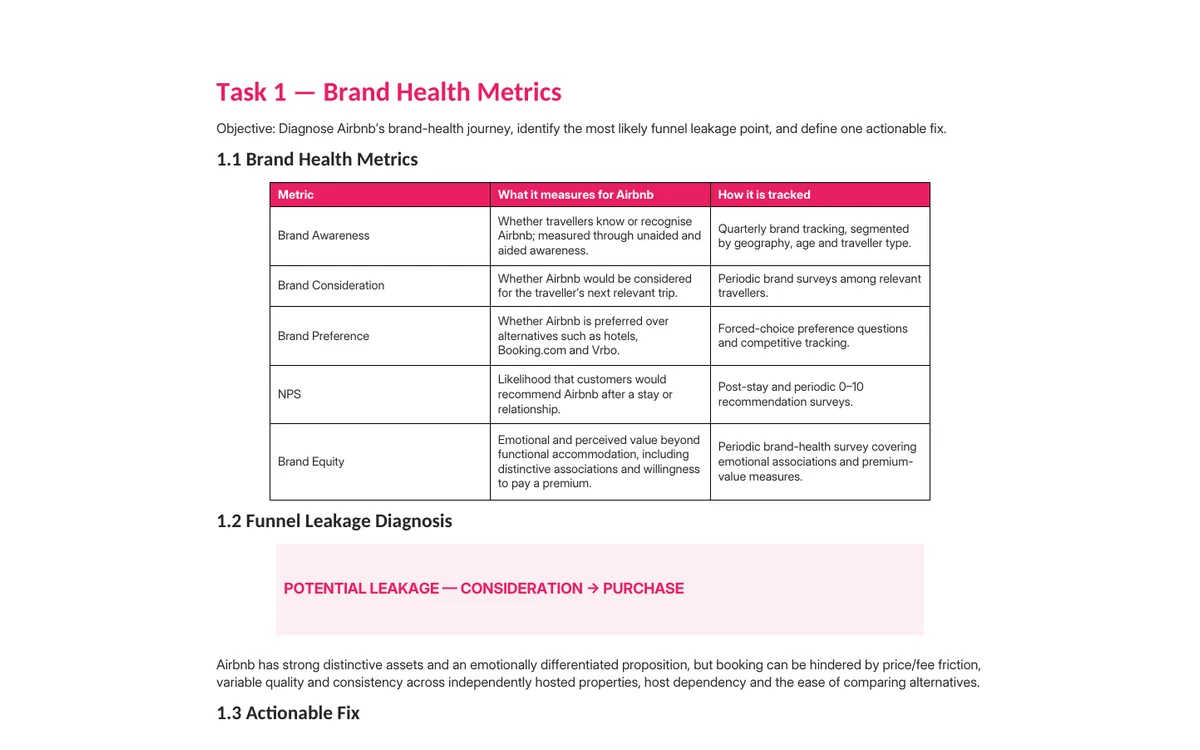
Brand health metrics table from a learner's week 6 assignment

Brand metrics plan

Brand health KPIs, and where the funnel leaks.

Week 6

Curriculum

Brand Management Course curriculum, week by week

Two live classes every week, on Saturday and Sunday from 10:30 AM to 12:30 PM IST, plus one assignment that becomes a section of your playbook. Recorded masterclasses add depth between classes, and every live class is recorded.

Week 1

Brand foundations and brand audit

Learn what a brand manager actually owns, then audit a brand the way a new brand manager would in their first month.

Live classes

  • What brand managers do every day
  • Brand vs branding vs marketing
  • The brand as a memory and meaning system
  • Category, competitor and consumer analysis

Using AI

  • Research and audit synthesis

Assignment

  • Brand audit: playbook section 1
Week 2

Consumer insight and positioning

Turn observations into a real consumer insight, then position the brand against its competitors.

Live classes

  • Insights vs observations
  • The tension-motivation framework
  • Points of parity and points of difference (POP vs POD)
  • Whitespace mapping

Using AI

  • Clustering reviews into insights and territories

Assignment

  • Insight and positioning: section 2
Week 3

Brand identity, personality and messaging

Define what the brand stands for and how it should sound in every channel.

Live classes

  • Brand core: purpose, vision and values
  • The Brand Identity Prism, simplified
  • Tone of voice and brand personality
  • Messaging architecture and narrative

Using AI

  • Tone exploration and messaging variations

Assignment

  • Identity and messaging: section 3
Week 4

Brand architecture and extensions

Decide how a brand family is organised and when a new product should carry the name.

Live classes

  • Branded house vs house of brands vs hybrid
  • Portfolio fit
  • When to create a sub-brand
  • Assessing extension opportunities

Using AI

  • Scenario simulation and risk checks

Assignment

  • Architecture and extension: section 4
Week 5

Creative brief and communication strategy

Write the kind of brief agencies want to receive, then plan the campaign that follows it.

Live classes

  • Writing a creative brief
  • Insight to idea to creative territory
  • Campaign thinking
  • Social, content and influencer framework

Using AI

  • Brief drafting and creative territories

Assignment

  • Creative brief and campaign strategy: section 5
Week 6

Brand metrics and strategy assembly

Measure brand health, set KPIs and pull every section into one strategy.

Live classes

  • Awareness, consideration and equity
  • Brand health tracking
  • KPI planning and measurement
  • Synthesising the brand strategy

Using AI

  • Structuring and refining the playbook

Assignment

  • Brand Strategy Playbook assembly
Capstone week

Your Brand Strategy Playbook

Bring all six sections together, fix the gaps your mentor flagged and finish a portfolio-ready strategy document.

Parts 1 to 5

  • Brand audit
  • Consumer insight framework
  • Positioning strategy
  • Brand essence
  • Brand identity and personality

Parts 6 to 10

  • Messaging architecture
  • Brand architecture
  • Extension strategy
  • Creative brief and campaign idea
  • Brand metrics plan

Outcome

  • One document you can use in interviews and client pitches

After the course you keep lifetime access to the recordings, resources and the Young Urban Project community.

Apply Now

Who it's for

Brand management careers: where learners start and where it leads

Most learners come from one of three starting points. The course is the same for everyone, but the gap it fills is different. Founders take it too, to build a brand that stands for something clear.

From marketing or social media

Move from channels to the brand

You already run campaigns, content or social. The course adds the strategy layer above them: insight, positioning, identity and architecture.

Roles to aim for
Assistant Brand Manager, Brand Manager, Brand Marketing Manager
What your playbook proves
You can decide what the brand should say and why, not only how to post it.
From agency, account or creative roles

Think like the client

You know how a brief lands on the agency side. Learn to write one, defend it and measure what it delivers from the brand side.

Roles to aim for
Brand Strategist, Brand Consultant, Creative Strategy roles, client-side Brand Manager
What your playbook proves
You can own the strategy behind the creative, from audit to brand metrics.
From an MBA, sales or another field

Get practical proof of work

Marketing electives and textbooks teach the theory. Here you apply it to a real brand, end to end, with feedback from working brand managers.

Roles to aim for
Assistant Brand Manager, Brand Executive, Brand Marketing Manager
What your playbook proves
You have done the work a first-year brand manager does, in the order they do it.

Where brand managers work: FMCG, D2C and e-commerce, consumer tech, media, retail, healthcare, consulting and agencies.

Frameworks and tools

Brand management frameworks and 16 tools you'll use

Brand management is mostly judgment, and frameworks are how brand managers make that judgment repeatable. You learn each one by applying it to a real brand, then use industry tools to research, create and measure.

8 frameworks brand managers use

  1. Week 2

    Tension-motivation

    Find the conflict behind a consumer's choice.

  2. Week 2

    POP vs POD

    Match what the category expects. Win on what makes you different.

  3. Week 2

    Whitespace mapping

    Plot the competitors, then find the position nobody owns.

  4. Week 3

    Brand Identity Prism

    Six facets, from physique and personality to self-image.

  5. Week 3

    Messaging architecture

    Brand essence on top, pillars beneath, proof under every pillar.

  6. Week 4

    Branded house vs house of brands

    One name across everything, or a family of separate brands.

  7. Week 5

    Insight to idea to territory

    Move from a consumer truth to a creative direction.

  8. Week 6

    Brand funnel and brand health

    Track awareness, consideration and equity, and spot where people drop off.

16 tools, grouped by job

Research and listening

  • Brandwatch
  • Brand24
  • SparkToro
  • SurveyMonkey

Social and measurement

  • Sprout Social
  • Hootsuite
  • Google Analytics 4

Create and present

  • Canva
  • Gamma
  • Hemingway Editor

Plan and map

  • Lucidchart
  • Milanote

AI assistants

  • ChatGPT
  • Gemini
  • NotebookLM
  • Jasper

Frameworks first, tools second. The tools show how brand teams apply each framework in practice. The thinking carries over to whatever tools your team uses.

How it works

How the course fits into a working week

The course is built for people with full-time jobs. Live classes stay on the weekend, two hours each on Saturday and Sunday, and the week's assignment fits around your work.

Monday to FridayWeekly assignmentBuild this week's part of your playbook, in your own time.
SaturdayLive class10:30 AM IST
SundayLive class10:30 AM IST
  • Live on Zoom
  • Every class recorded, with lifetime access
  • Recorded masterclasses between classes
  • Mentor feedback on your work

Live classes in your time zone

Every Saturday and Sunday, 2 hours each, on Zoom. Set in India time.

  • India · class timeSat & Sun 10:30 AM
  • DubaiSat & Sun 9:00 AM
  • SingaporeSat & Sun 1:00 PM
  • SydneySat & Sun 4:00 PM

Can't make a class live? Watch the recording and keep up with the week's assignment.

Mentors

Learn from brand managers at Asian Paints, Licious, Nykaa and ITC

Your mentors manage brands for a living. They teach the live classes, bring the case studies from their own categories and give feedback on your strategy work.

  • Neeladri S, Group Brand Manager at Asian Paints

    Neeladri S

    Group Brand Manager

  • Shruti Singh, Senior Brand Manager at Licious

    Shruti Singh

    Senior Brand Manager

  • Akankshya Mohanty, Brand Manager at Nykaa

    Akankshya Mohanty

    Brand Manager

  • Kavya Maheshwari, Brand Manager at ITC

    Kavya Maheshwari

    Brand Manager

The mentor line-up can vary from cohort to cohort.

Career support

Career support for your move into brand management

The course doesn't stop at the certificate. You get help turning your playbook into interviews.

  • Private job board

    Brand, marketing and related roles curated by the Young Urban Project team in your learner dashboard, some with early access for the community.

  • AI mentor for your resume

    Reviews your resume the way a recruiter would for the specific role you're applying to: ATS-friendliness, structure and the exact changes to make.

  • 1-on-1 career support

    Resume and LinkedIn rebuild, interview preparation and mock interviews on request.

  • Community for life

    Lifetime access to the Young Urban Project community, alumni network and perks such as free workshops.

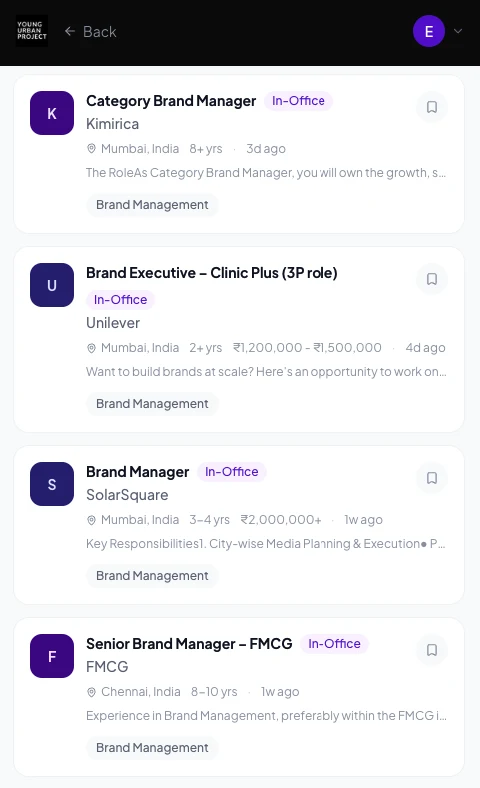
Brand Manager, Category Brand Manager and Brand Executive openings on the Young Urban Project job board
Brand roles on the job board in the learner dashboard. Young Urban Project shares openings; it isn't the employer.

Compare

How this compares to other brand management courses

There are four common ways to learn brand management online. Each suits a different person, so here's how they differ.

CompareFree and self-paced coursesUniversity and IIM certificatesGlobal on-demand programsYUP Brand Management Course
DurationA few hours to a few weeks4 to 7 monthsSelf-paced, usually several weeks6 weeks plus a capstone week
FormatRecorded videos and quizzesMostly recorded lectures, some live sessionsOn-demand videos and examsLive classes every Saturday and Sunday, all recorded
Who teachesAcademics or creatorsUniversity facultyAcademics and global practitionersWorking brand managers from Asian Paints, Licious, Nykaa and ITC
What you finish withCertificate of completionCertificate and a projectCertificate after examsA 10-part brand strategy playbook and a verifiable certificate
Indian brand casesRarelyOftenRarelyYes, Indian and global
Feedback on your workNoneGraded assignmentsLimitedMentor feedback on your strategy work
Best forA first look at brandingManagers who want a university nameMarketers who want global theoryMarketers and career switchers who want proof of work
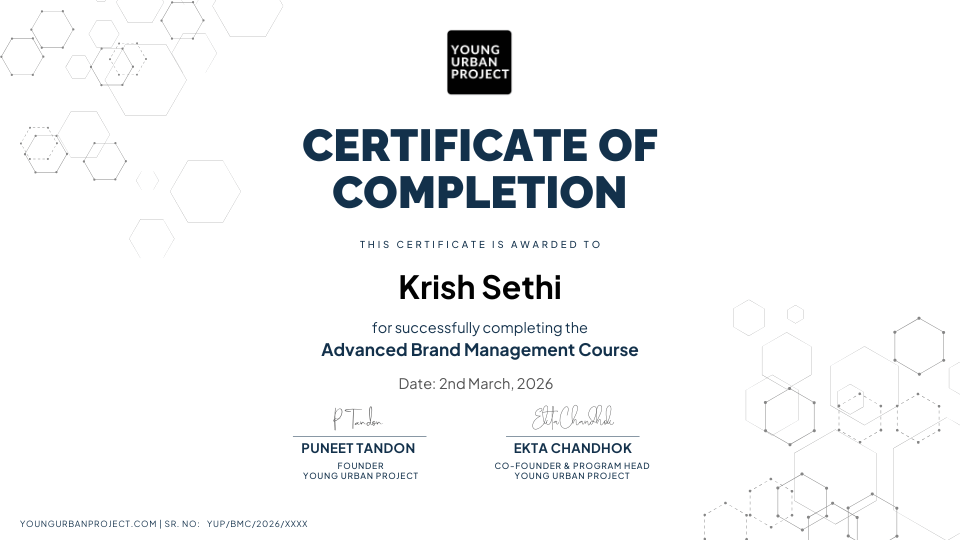
Sample Brand Management Course certificate of completion from Young Urban Project

Certificate and careers

A brand management certification backed by real work

Finish the course and your playbook to earn a verifiable certificate from Young Urban Project that you can add to LinkedIn and share with employers. The certificate opens the conversation. Your playbook closes it.

What you can show

  • A 10-part brand strategy playbook for a real brand
  • A positioning statement, Brand Identity Prism and messaging architecture
  • A creative brief with a campaign plan
  • A brand health and KPI plan

Roles this prepares you for

  • Assistant Brand Manager or Brand Manager
  • Brand Marketing Manager or Brand Executive
  • Brand Strategist or Brand Consultant
  • Creative strategy roles in agencies

Fee

Brand Management Course fee

One fee covers the full course. Learners in India can pay in EMIs.

What's included

  • 12 live classes, 2 hours each
  • Recorded masterclasses
  • Lifetime access to recordings
  • 6 assignments and a capstone
  • Your 10-part brand strategy playbook
  • Mentor feedback on your work
  • Verifiable certificate
  • Job board and AI resume mentor
  • 1-on-1 career support
  • Lifetime community and perks
Learners in India
₹26,000 + GST

Regular fee ₹35,000 + GST

Learners outside India
USD 350

Regular fee USD 445

Apply Now

EMI options of 3, 6, 9 or 12 months for learners in India, subject to eligibility. To set up EMI, call +91 62809 08690.

Brand management, explained

Brand management in 2026: the short answers

The questions people ask most before moving into a brand role.

What does a brand manager do?

A brand manager owns how a brand is seen by its consumers and how that turns into growth. Day to day, that means studying consumers and competitors, setting the brand's positioning, briefing agencies on campaigns, working with sales and product teams on launches, and tracking brand health.

In many FMCG and consumer companies, the brand manager runs the brand like a small business, often with responsibility for its sales and profit.
What's the difference between branding, marketing and brand management?

Branding is the identity: the name, logo, design and voice. Marketing is every activity that brings in customers, from ads to promotions. Brand management is the long-term strategy that decides what the brand stands for and keeps every branding and marketing decision consistent with it. Week 1 of the course starts here.

Do you need an MBA to become a brand manager?

No. Many large FMCG companies hire brand managers from MBA campuses, but people also move in from marketing, agency, sales and D2C roles, especially at startups and consumer tech companies. There, proof that you can do the strategy work, such as a brand playbook, carries as much weight as the degree.

What is brand positioning?

Positioning is the place a brand wants to own in the consumer's mind compared with its competitors. It combines points of parity, what the brand must match to be considered, with points of difference, what makes it the better choice.

A common format for a positioning statement:

For target consumer, brand is the category that point of difference, because reason to believe.

How is AI changing brand management?

AI now does much of the groundwork: clustering thousands of reviews into insights, drafting messaging variations, testing creative territories and summarising brand tracking data. The judgment calls stay human: which insight matters, what the brand should stand for and what it should never say. Brand managers also now track how their brand appears in AI answers, not only in search results.

What is brand equity, and how is it measured?

Brand equity is the value a brand adds beyond the product itself: why people choose it, recommend it or pay more for it. Brand teams track it through awareness, consideration, preference, Net Promoter Score and the price premium the brand can hold, usually through regular brand tracking surveys. Week 6 covers how to build a brand health plan around these.

FAQ

Brand Management Course FAQs

Still have a question? Message us on WhatsApp and the team will reply.

Ask on WhatsApp

What is the Brand Management Course by Young Urban Project?

It's a 6-week live online course that teaches the core work of a brand manager: brand audits, consumer insight, positioning, identity and messaging, brand architecture, creative briefs and brand metrics. Classes run live every Saturday and Sunday, taught by brand managers from Asian Paints, Licious, Nykaa and ITC. You finish with a 10-part brand strategy playbook and a verifiable certificate.

Who is this brand management course for?

Marketers, social media and content managers, agency and account professionals, MBA graduates, career switchers and founders who want to move into brand management or build a stronger brand. If you mainly want to run ads and performance campaigns, the 12-week Digital Marketing Course is a better fit.

Do I need prior marketing or brand experience?

No. The course starts from what a brand manager does and builds up step by step, so you don't need prior brand experience or an MBA. Marketers and agency professionals will move faster, but the frameworks are taught from the ground up.

Is the course live or recorded?

It's live. Classes run on Zoom every Saturday and Sunday from 10:30 AM to 12:30 PM India time (IST), which is 9:00 AM in Dubai and 1:00 PM in Singapore. Every class is recorded and you keep lifetime access, and recorded masterclasses add depth between classes.

How much time does the course take each week?

Two live classes of 2 hours each on the weekend, plus one assignment you complete during the week at your own pace. Each assignment becomes one part of your brand strategy playbook.

Can working professionals do this course?

Yes. It's built for people with full-time jobs: the live classes are on the weekend, the assignment fits around your work, and every class is recorded in case you miss one.

Can I join from outside India?

Yes. The course is taught in English, the fee outside India is USD 350, and the schedule section on this page shows the class time in your own time zone. Every class is recorded, so you can catch up if the live time doesn't suit you.

What will I build during the course?

A 10-part brand strategy playbook for a real brand: brand audit, consumer insight framework, positioning strategy, brand essence, brand identity and personality, messaging architecture, brand architecture, extension strategy, creative brief and campaign idea, and a brand metrics plan. Each week's assignment adds one or more parts.

Which frameworks and tools will I learn?

Frameworks include tension-motivation, points of parity and difference (POP vs POD), whitespace mapping, the Brand Identity Prism, messaging architecture, branded house vs house of brands, and brand funnel and brand health tracking. Tools include Brandwatch, Brand24, SparkToro, SurveyMonkey, Google Analytics 4, Sprout Social, Hootsuite, Canva, Gamma, Lucidchart, Milanote, ChatGPT, Gemini, NotebookLM and Jasper.

Does the course include real brand case studies?

Yes. Classes use Indian and global brand case studies, and mentors bring examples from the categories they manage. You also apply every framework to a real brand in your assignments.

Do I get a certificate?

Yes. Complete the course and your playbook to earn a verifiable certificate from Young Urban Project that you can add to LinkedIn and share with employers.

What is the fee, and is EMI available?

The fee is ₹26,000 + GST for learners in India (regular fee ₹35,000 + GST) and USD 350 for learners outside India (regular fee USD 445). EMI options of 3, 6, 9 or 12 months are available in India, subject to eligibility. Call +91 62809 08690 to set up EMI.

Does the course help with placement?

Yes. Career support is part of the course: a private job board with brand and marketing roles, an AI mentor that reviews your resume for specific roles, a resume and LinkedIn rebuild, interview preparation and mock interviews on request. Young Urban Project shares openings and prepares you for them; it isn't the employer.

What if I can't continue after I start?

If a medical or personal emergency comes up, you can move to a later cohort once and pick up where you left off. Fees are not refundable, so talk to our team before you enrol if you're unsure about timing.

How is this different from free brand management courses and YouTube?

Free courses explain the frameworks. Here you apply them to a real brand every week, in live classes with working brand managers, and get feedback on your strategy work. You finish with a complete playbook you can show, not just notes.

How is this different from the Digital Marketing Course?

The Digital Marketing Course teaches channels and performance: ads, SEO, social and analytics. The Brand Management Course teaches brand strategy: what the brand stands for, how it's positioned and how its health is measured. Many marketers take one after the other.

How do I apply?

Fill in the short application form, which takes about 3 minutes. Our team will get back to you to check the course fits your goals. You can also message us on WhatsApp or call +91 62809 08690.

Next step

Build your brand strategy playbook in the next 6 weeks

Applying takes about 3 minutes. Our team will check the course fits your goals and answer any questions before you enrol.